


 Deutsch
 English
 Español
 Français
 Nederlands
 Português


 Share
Share




The End of the Commute? Rise of "Local First" Work
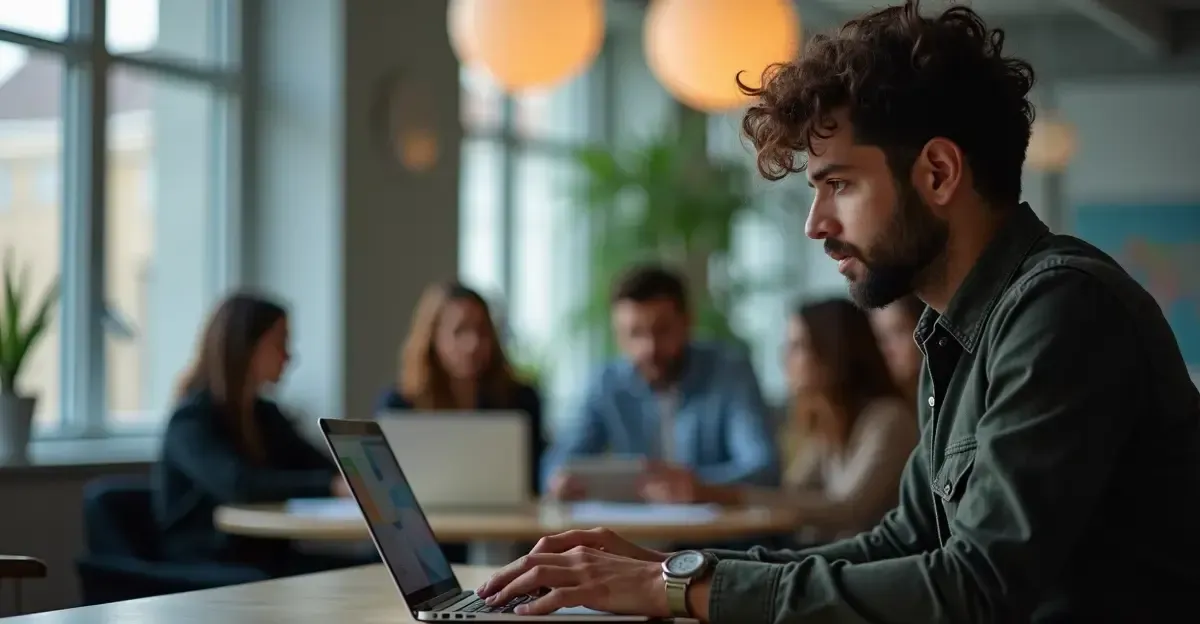
The traditional 9-to-5 office grind is undergoing a seismic shift as companies and employees alike embrace the "Local First" work model. This trend, fueled by the rise of remote work, prioritizes lifestyle over centrality, allowing individuals to choose where they live based on personal preferences rather than proximity to a corporate headquarters.
From Urban Hubs to Lifestyle Havens
Once dominated by bustling city centers, the workplace is now decentralized. Employees are relocating to quieter suburbs, coastal towns, or even rural areas, seeking better quality of life, lower costs of living, and closer connections to nature. Companies are following suit, moving headquarters or opening satellite offices in these emerging hubs to retain talent.
The Role of Technology
Advancements in collaborative software, cloud computing, and high-speed internet have made remote work seamless. Tools like Zoom, Slack, and Microsoft Teams bridge the gap between dispersed teams, ensuring productivity remains high. The COVID-19 pandemic accelerated this shift, proving that many jobs can be done effectively from anywhere.
Benefits and Challenges
Proponents highlight reduced commuting stress, increased employee satisfaction, and access to a broader talent pool. However, challenges like maintaining team cohesion and work-life balance persist. Employers are experimenting with hybrid models to strike the right balance.
The Future of Work
The "Local First" movement is more than a trend—it's a redefinition of work culture. As companies adapt, urban landscapes may transform, with fewer skyscrapers and more co-working spaces in scenic locales. The question remains: Is this the end of the daily commute as we know it?




Follow Discussion