


 Deutsch
 English
 Español
 Français
 Nederlands
 Português


 Share
Share




Historic Agreement Reached at Global Grain Supply Ministers Meeting
In a landmark development for global food security, ministers responsible for grain supplies from over 50 nations have reached a comprehensive agreement on managing strategic grain reserves, establishing humanitarian corridors, and coordinating emergency releases. The meeting, which concluded this week after intensive negotiations, represents the most significant multilateral food security initiative since the expiration of the Black Sea Grain Initiative in 2023.
Key Components of the Agreement
The agreement establishes three main pillars: 'This framework represents a paradigm shift in how we approach global food security,' said UN Food Systems Coordinator Maria Rodriguez. 'Instead of reactive crisis management, we're building proactive systems that can prevent hunger before it happens.'
First, participating nations have agreed to maintain minimum strategic grain reserves equivalent to 10-15% of their annual consumption. These stocks will be managed through a new digital monitoring system that provides real-time visibility into global grain availability. 'The transparency component is crucial,' explained agricultural economist Dr. James Chen. 'During the 2022-2023 food crisis, lack of information about actual stocks contributed to panic buying and price spikes.'
Humanitarian Corridors and Emergency Releases
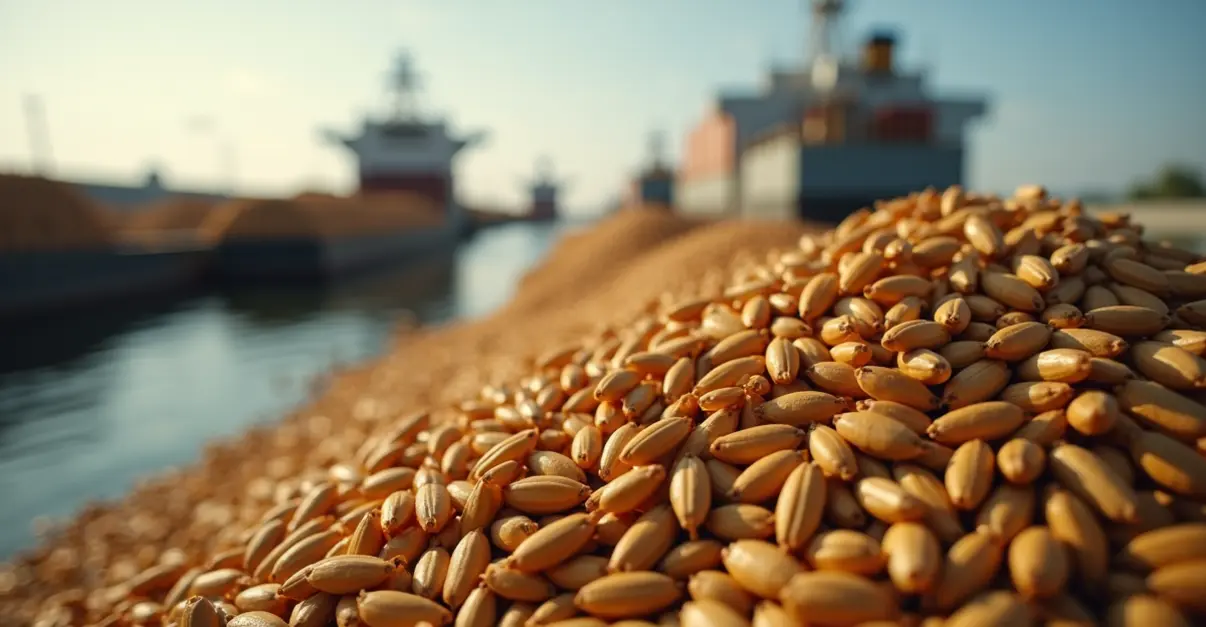
The second major breakthrough involves establishing permanent humanitarian grain corridors that can be activated during crises. These corridors will operate under UN supervision and include both maritime and overland routes. The agreement specifically references lessons learned from the Black Sea Grain Initiative, which successfully moved 33 million tonnes of grain to 45 countries before its expiration.
'We've learned from both the successes and limitations of previous initiatives,' said meeting chair Elijah Brown. 'The new framework includes more robust dispute resolution mechanisms and clearer triggers for activation.'
The third component establishes protocols for coordinated humanitarian releases from strategic reserves. When the World Food Programme declares a Level 3 emergency (the highest classification), participating countries will automatically release predetermined quantities from their reserves. This system aims to cut response times from weeks to days.
Addressing Global Food Insecurity
The timing of this agreement is critical. According to the FAO's Global Emergency and Resilience Appeal 2026, acute food insecurity has tripled since 2016, now affecting nearly 300 million people. Despite this growing crisis, humanitarian funding has been declining, creating what UN officials call a 'dangerous gap' between needs and resources.
The new agreement addresses this gap by leveraging existing national resources more effectively. 'Strategic grain reserves offer one of the most cost-effective tools for food security,' noted a recent World Bank report. 'Each dollar invested in agricultural solutions produces three dollars in local food value.'
Implementation and Challenges Ahead
While the agreement has been hailed as a major diplomatic achievement, significant implementation challenges remain. The framework is voluntary, and countries must still pass domestic legislation to authorize participation. Funding for the coordination mechanism—estimated at $200 million annually—has not yet been secured.
Additionally, the agreement faces geopolitical hurdles. Major grain exporters and importers have different priorities, and some nations remain concerned about sovereignty issues related to stockpile management. 'The devil is always in the details,' acknowledged Dr. Chen. 'But the fact that so many countries have agreed on the basic principles is itself a major accomplishment.'
The agreement establishes a new Grain Security Coordination Council that will meet quarterly to monitor implementation. The first operational test is expected during the 2026 planting season, when the system will be partially activated to address forecasted shortages in several vulnerable regions.
As climate change intensifies and conflicts continue to disrupt food systems, this new framework represents a crucial step toward building more resilient global food networks. While not a complete solution to world hunger, it provides essential tools for preventing localized food crises from escalating into regional catastrophes.



Follow Discussion