


 Deutsch
 English
 Español
 Français
 Nederlands
 Português


 Share
Share




Major Grain Exporting Nations Reach Historic Agreement on Safe Shipping Lanes
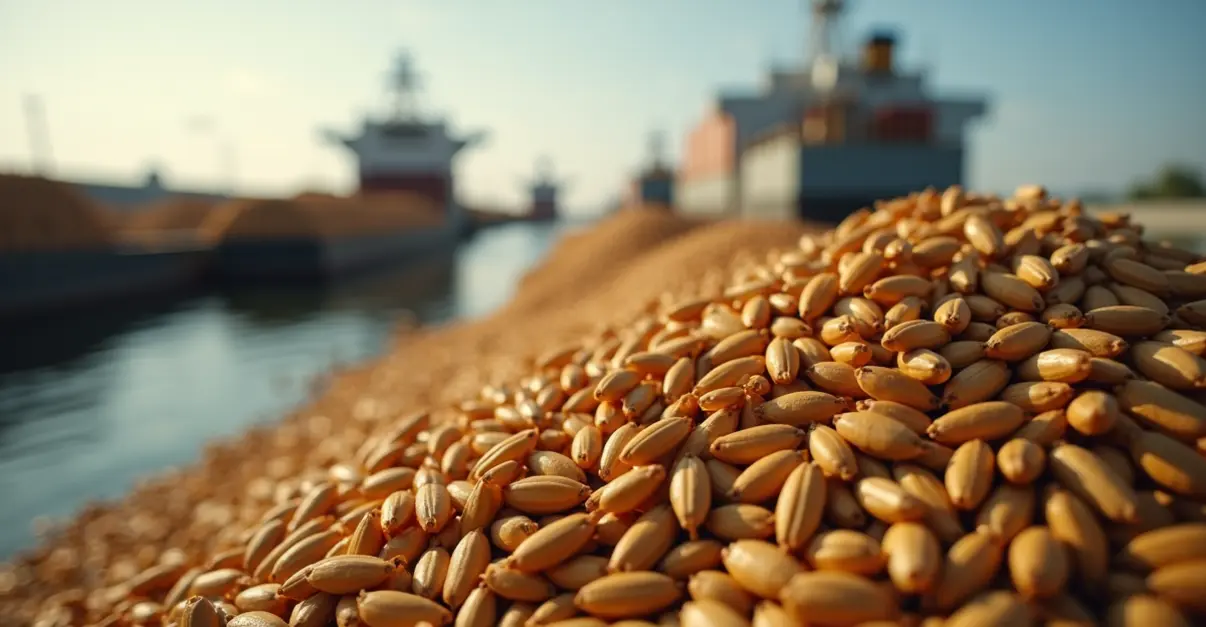
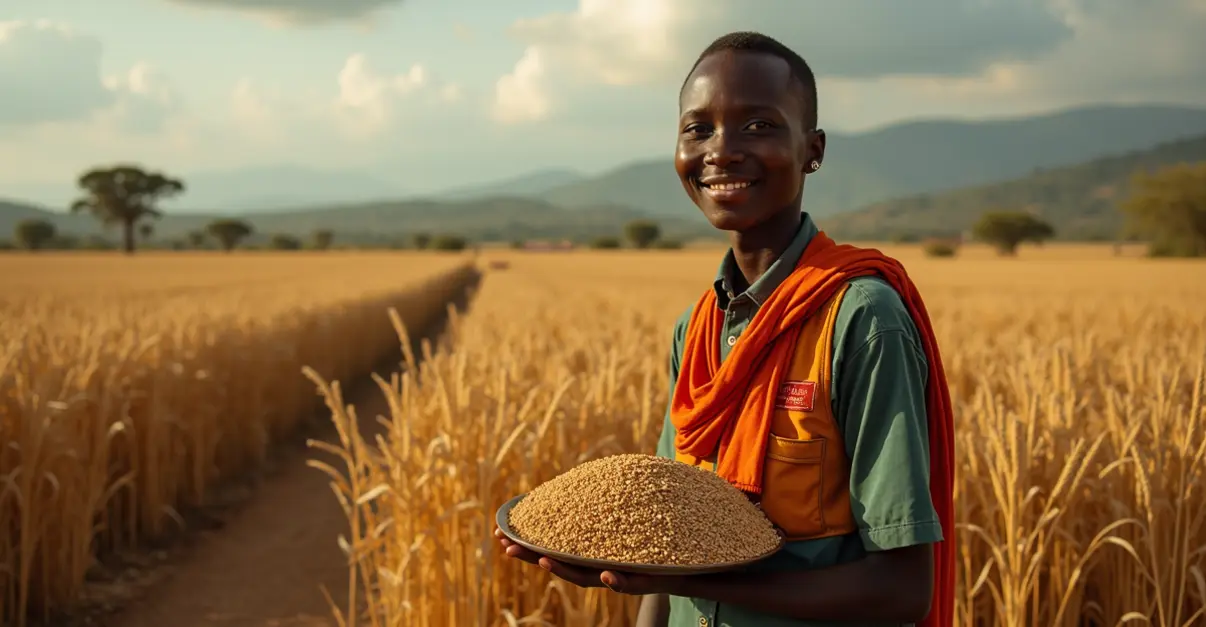
In a landmark development for global food security, leading grain exporting nations have reached a comprehensive agreement to establish safe shipping corridors for agricultural commodities. The deal, finalized after months of negotiations, creates protected maritime routes with humanitarian exemptions and coordinated export mechanisms designed to ensure grain reaches vulnerable populations worldwide.
A Response to Global Food Insecurity
The agreement comes at a critical time when global food systems face unprecedented challenges. According to the International Chamber of Shipping, the global grain trade showed resilience in 2024 with 2% growth, but faces significant risks from geopolitical tensions, climate impacts, and escalating trade disputes. The new corridors aim to address these challenges by creating predictable, secure pathways for grain shipments.
'This agreement represents a breakthrough in international cooperation on food security,' said UN Under-Secretary-General for Humanitarian Affairs Martin Griffiths. 'By establishing protected shipping lanes with humanitarian exemptions, we're creating a lifeline for millions facing food insecurity.'
Key Features of the Agreement
The agreement establishes several critical mechanisms:
1. Protected Maritime Corridors: Designated shipping lanes with enhanced security measures and demining operations where necessary. These corridors will be monitored by international observers to ensure compliance with humanitarian principles.
2. Humanitarian Exemptions: Special provisions allowing grain shipments destined for food-insecure regions to bypass certain trade restrictions and sanctions. This builds on lessons from the Black Sea Grain Initiative which successfully transported 32.9 million tonnes of grain before its expiration in 2023.
3. Export Coordination Centers: Regional hubs where participating nations will coordinate shipment schedules, port handling, and logistics. These centers will work closely with the UN Conference on Trade and Development to optimize global grain distribution.
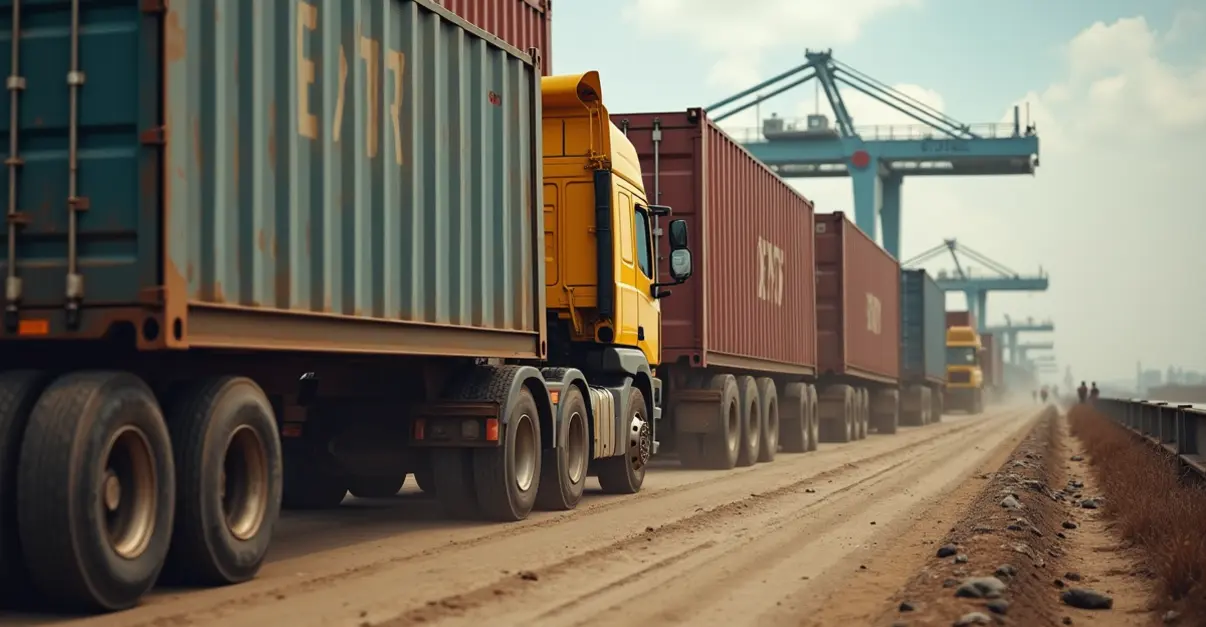
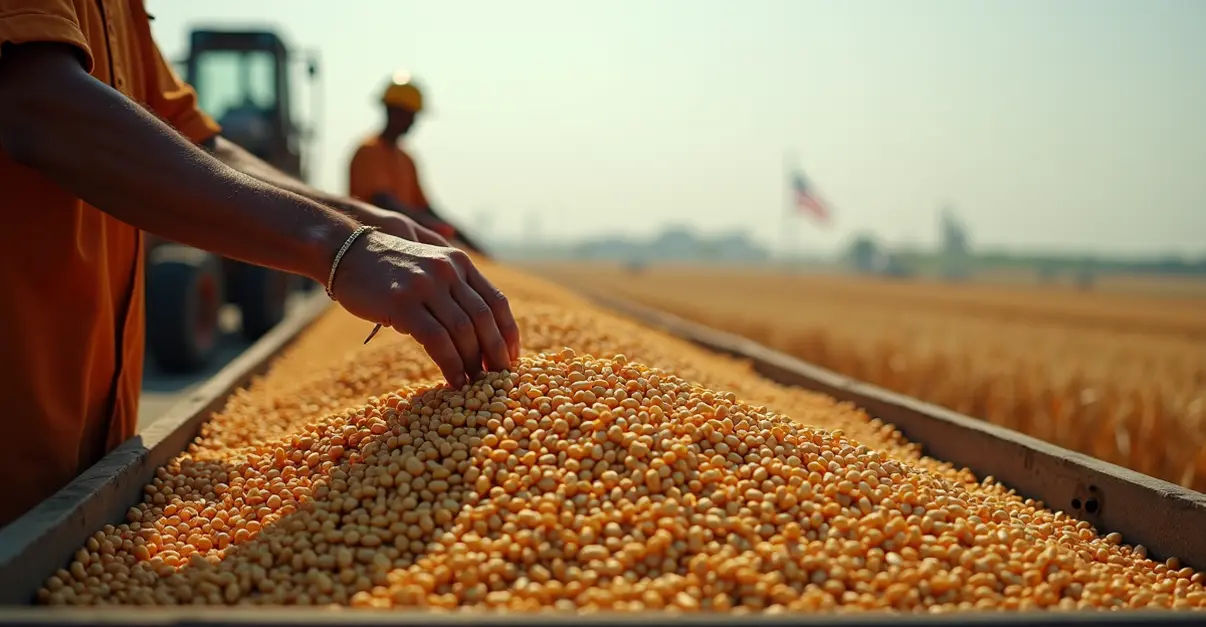
4. Port Handling Protocols: Standardized procedures for loading, inspection, and documentation to reduce delays and ensure food safety standards.
Building on Past Successes
The new agreement draws heavily from the successful implementation of the EU-Ukraine Solidarity Lanes, which according to European Commission data have enabled Ukraine to export approximately 179 million tonnes of goods since May 2022, including 91 million tonnes of agricultural products.
'What we learned from the Solidarity Lanes is that coordinated logistics can overcome even the most challenging geopolitical barriers,' explained European Transport Commissioner Adina Vălean. 'This new global framework applies those lessons on a much larger scale.'
Addressing Global Challenges
The timing of this agreement is particularly significant given current global conditions. The International Chamber of Shipping reports that 343 million people faced acute food shortages in 2024, while climate impacts like low water levels in the Panama Canal and unpredictable weather patterns continue to strain global logistics.
Trade tensions are also escalating, with the US proposing tariffs on Chinese maritime operators that could impact American grain exports. Meanwhile, China is shifting toward self-sufficiency, reducing corn imports by nearly 50% in 2024, while Brazil has become China's primary corn supplier.
'We're seeing a perfect storm of challenges - geopolitical conflicts, climate disruptions, and trade tensions all converging,' noted agricultural economist Dr. Maria Chen. 'These shipping corridors provide a structured response that could stabilize global food markets.'
Implementation and Monitoring
The agreement establishes a Joint Coordination Center modeled after the successful Istanbul-based center that operated during the Black Sea Grain Initiative. This center will include representatives from participating nations, international organizations, and humanitarian agencies.
Key implementation steps include:
- Immediate establishment of corridors in the Black Sea, Mediterranean, and key Asian shipping routes
- Training of inspection teams to ensure compliance with humanitarian provisions
- Development of digital tracking systems for grain shipments
- Regular review mechanisms to adapt to changing global conditions
The agreement also includes provisions for expanding the corridor network based on demonstrated success and evolving food security needs.
Looking Forward
As the world faces growing food insecurity, this agreement represents a proactive approach to global governance of essential commodities. By creating predictable, secure pathways for grain shipments, participating nations hope to prevent price spikes, reduce market volatility, and ensure that food reaches those who need it most.
'This isn't just about moving grain from point A to point B,' concluded UN Secretary-General António Guterres. 'It's about building resilience into our global food systems and demonstrating that even in times of conflict and division, humanity can come together to address fundamental needs.'
The success of this initiative will be closely watched by governments, humanitarian organizations, and market analysts as a potential model for managing other critical global supply chains in an increasingly volatile world.


Follow Discussion