


 Deutsch
 English
 Español
 Français
 Nederlands
 Português


 Share
Share




The Battle Over Life's Blueprint
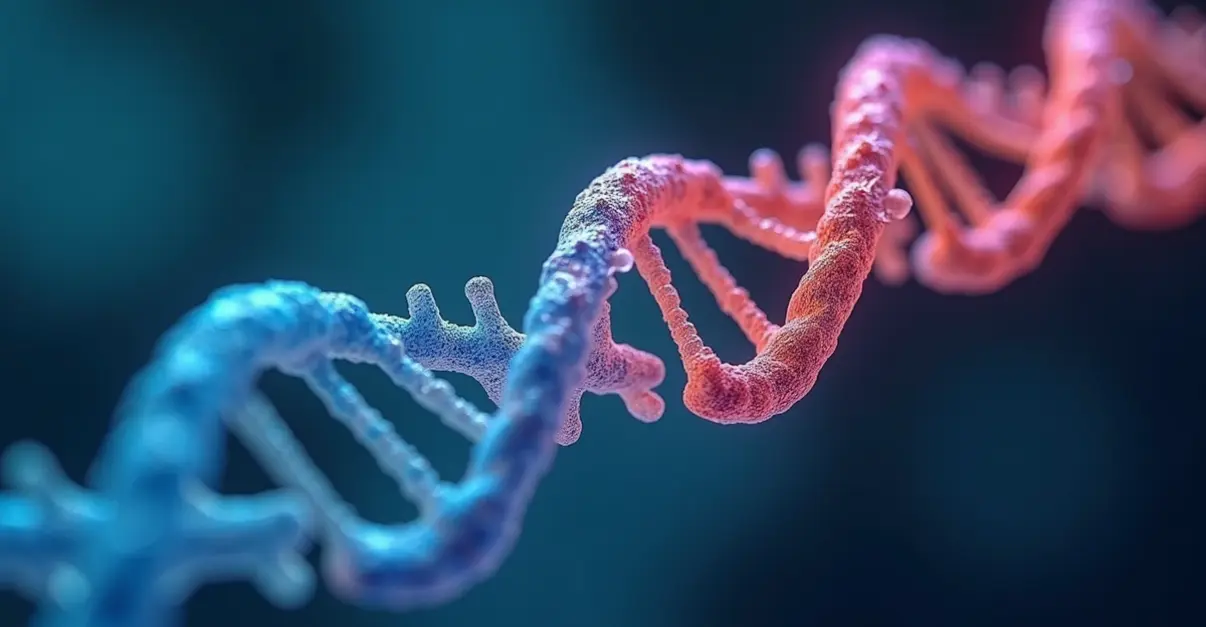
Farmers and scientists are clashing with corporations over who owns the genetic code of crops. Gene patents – exclusive rights to specific DNA sequences – have become big business in agriculture. Companies like Bayer and Corteva hold patents covering everything from drought-resistant corn to non-browning mushrooms. But critics say this corporate control stifles innovation and puts food security at risk.
How We Got Here
The legal foundation was laid in 1980 when the US Supreme Court ruled in Diamond v. Chakrabarty that genetically modified organisms could be patented. This opened floodgates: by 2025, over 3,000 agricultural gene patents existed worldwide. The arrival of CRISPR gene-editing technology accelerated this trend, making genetic modifications cheaper and faster.
The Ethical Dilemma
At stake is whether companies can "own" nature's building blocks. When Syngenta patented a disease-resistant pepper gene, researchers couldn't study those plants without permission. "It's like patenting air," protests Dr. Lena Kowalski, plant geneticist at Iowa State. "Farmers have bred these traits for millennia – now corporations lock them behind legal barriers."
Real-World Impacts
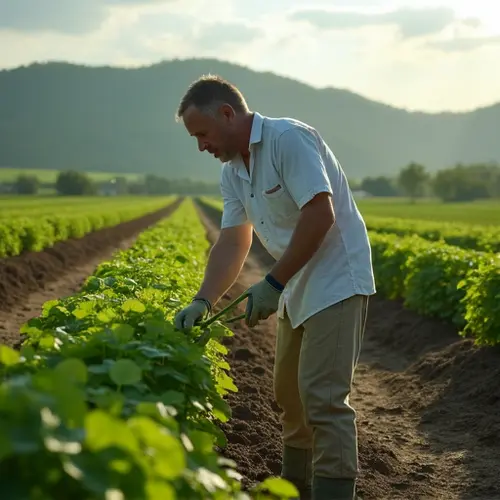
In India, 85% of cotton now comes from patented GM seeds. When prices tripled after patent enforcement, over 200,000 farmers faced debt crises. "We're trapped between expensive seeds and crop failures," says Maharashtra farmer Rajiv Mehta. Meanwhile, research from the University of Nairobi shows patent restrictions delay drought-resistant crop development by 4-7 years in Africa.
Legal Battles Escalate
The 2023 US Supreme Court case AgroSeed v. Nelson set a crucial precedent. The court ruled that naturally occurring genes can't be patented, but edited sequences remain protected. This created a gray area exploited by companies using "marker gene" tactics – adding artificial DNA snippets to claim ownership.
Global Divide
Europe takes a harder stance. France banned all gene patents in food crops in 2024, while Brazil demands 20% of patent royalties fund public breeding programs. "There's no consistency," notes WTO advisor Miguel Santos. "A seed patent valid in Iowa might be illegal just across the Canadian border."
The CRISPR Revolution
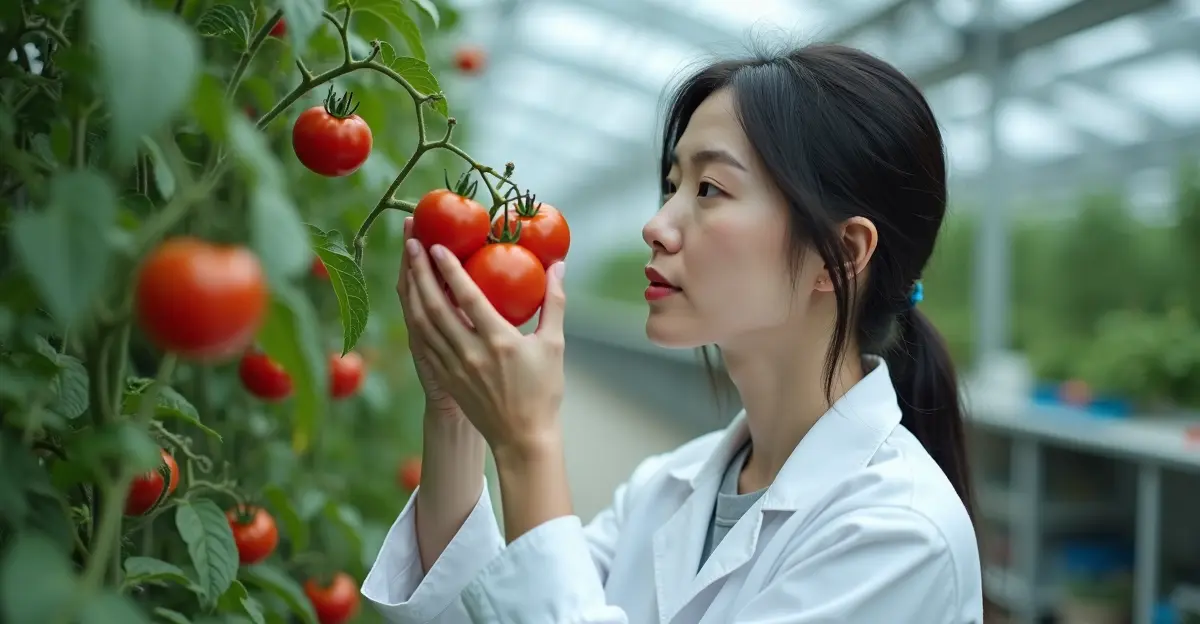
New gene-editing tools intensify debates. Unlike older GMOs, CRISPR-edited plants often contain no foreign DNA. The USDA doesn't regulate them as GMOs, but the EU does. This regulatory chaos leaves small farmers confused. "My CRISPR-edited tomatoes need 17 different licenses to export," complains Italian grower Sofia Ricci.
Who Benefits?
Proponents argue patents fund innovation. Bayer points to their Golden Rice patent waiver helping vitamin-deficient communities. But University of California studies show only 12% of agricultural patent revenue gets reinvested in pro-poor crop research. Most funds shareholder dividends.
Paths Forward
Some propose patent pools like the Agricultural Genome Licensing Initiative, where companies share IP for staple crops. Others advocate for open-source seeds. In 2025, India launched the People's Seed Bank – patent-free varieties developed through public funding. "We need balance," summarizes UN Food Program director Chen Liu. "Reward innovation without starving the future."


Follow Discussion