Will We Eat Insects as a Staple? The Future of High-Protein Insect Farming

High-protein insect farming offers a sustainable solution to global food security, with over 2,000 edible species. Innovations in vertical farming and automation are driving scalability, though consumer acceptance remains a challenge.

Will We Eat Insects as a Staple? The Future of High-Protein Insect Farming
Share
Edition: EN

The Rise of Edible Insects

Over 2 billion people worldwide already consume insects as part of their daily diet, with more than 2,000 species considered edible. Insects like crickets, mealworms, and black soldier flies are not only nutritious but also environmentally sustainable, requiring fewer resources than traditional livestock.

Nutritional Benefits

Insects are rich in protein, essential amino acids, vitamins, and minerals. For example, crickets provide similar protein levels to soybeans, while mealworms are a source of complete protein and dietary fiber. Their high feed conversion efficiency makes them a viable solution for global food security.

Sustainability and Environmental Impact

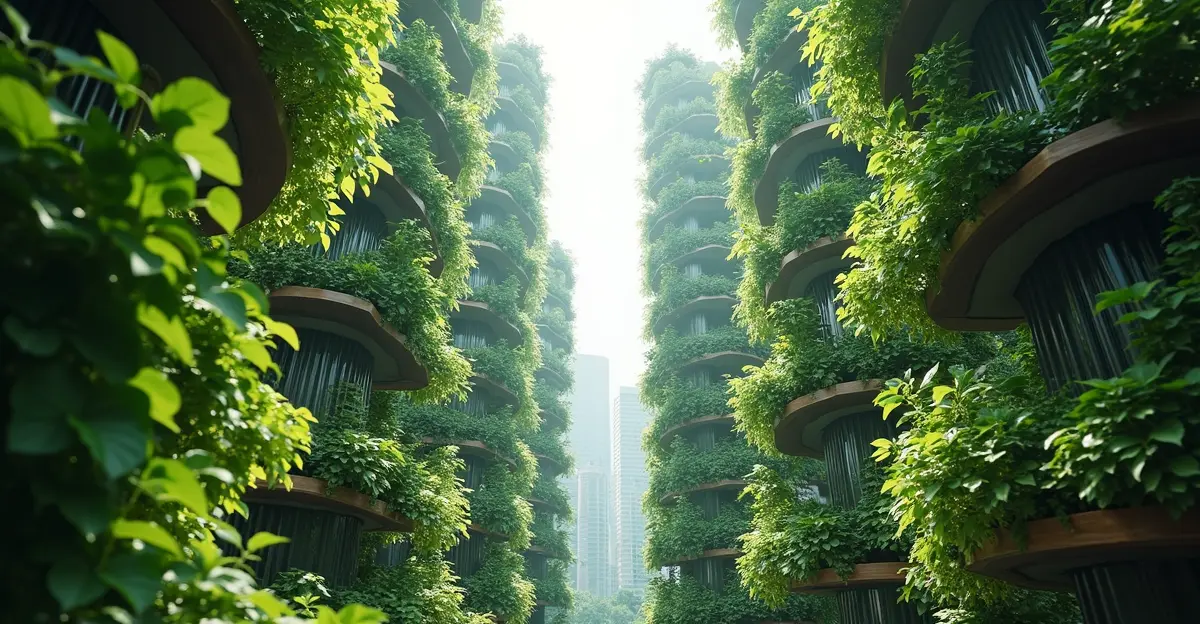
Insect farming emits significantly fewer greenhouse gases and uses less water and land compared to conventional agriculture. Innovations like vertical farming and automated rearing systems are making insect farming scalable and efficient, particularly in urban areas.

Challenges and Opportunities

Despite their benefits, consumer acceptance remains a hurdle, especially in Western cultures. However, processed forms like insect flour and protein bars are gaining traction. Regulatory frameworks are also evolving to support the industry.

Future Prospects

With advancements in technology and growing awareness of sustainability, insects could become a staple protein source by 2050, addressing food shortages and environmental challenges.
Closely related

Vertical Farming in Urban Supermarkets: The Future of Fresh Produce
Environment
Environment
Closely related

Vertical Farming in Urban Supermarkets: The Future of Fresh Produce

Vertical farming in urban supermarkets is transforming food retail by offering fresher, locally grown produce. This...

Bioengineered Crops Revolutionize Agriculture with Soil-Free Vertical Farming
Innovation
Innovation
Closely related

Bioengineered Crops Revolutionize Agriculture with Soil-Free Vertical Farming

Vertical farming using bioengineered crops without soil is achieving commercial scale in 2025, offering 10x higher...

Vertical Farming: Is It Ready for Mass Scale?
Innovation
Innovation
Closely related

Vertical Farming: Is It Ready for Mass Scale?

Vertical farming offers high yields and weather-resistant crop production but faces challenges like high costs and...

Vertical Farming Expands Globally to Feed Cities
Innovation
Innovation
Closely related

Vertical Farming Expands Globally to Feed Cities

Vertical farms are expanding globally using hydroponic technology in urban areas, offering year-round produce with...

Food of 2040: Precision Fermentation vs Vertical Farms
Future
Future
Closely related

Food of 2040: Precision Fermentation vs Vertical Farms

Precision fermentation and vertical farming are competing to transform food production by 2040. Precision...

Vertical Farming Revolution: Climate-Controlled Future Food
Innovation
Innovation
Closely related

Vertical Farming Revolution: Climate-Controlled Future Food

Vertical farming uses stacked layers and climate control to grow crops without soil or sunlight. 2025 sees $500M+ in...