


 Deutsch
 English
 Español
 Français
 Nederlands
 Português


 Share
Share




What is Gadusol and Why Does It Matter for Sunscreen?
Gadusol is a natural UV-absorbing compound produced by fish, sea urchins, algae, and other marine organisms to protect their eggs and larvae from harmful ultraviolet radiation. Scientists have long eyed gadusol as a promising active ingredient for a new generation of eco-friendly sunscreens, but scalable production remained elusive — until now. Researchers at Jiangnan University in Wuxi, China, have engineered E. coli bacteria to produce gadusol at industrial-scale concentrations, bringing fish-derived sunscreen a major step closer to reality.
Published in Trends in Biotechnology in May 2026, the study describes how the team genetically rebuilt the biosynthetic pathway of zebrafish (Danio rerio) inside common E. coli bacteria, turning them into microscopic factories. After optimizing growth conditions and genetic tweaks, gadusol yield surged from 45.2 milligrams per liter to 4.2 grams per liter — a 93-fold increase. This breakthrough addresses the core challenge that has stalled gadusol-based sunscreens for decades: the compound is naturally scarce and difficult to harvest from marine life at scale.
How Scientists Engineered E. coli to Make Fish Sunscreen
Rebuilding the Zebrafish Pathway
Gadusol is a secondary metabolite that belongs to the mycosporine-like amino acid (MAA) family. It absorbs UV radiation through its conjugated ring structure, acting as a natural photoprotectant. The Jiangnan University team first identified and cloned the genes responsible for gadusol synthesis in zebrafish. They then inserted these genes into E. coli, creating a synthetic biological circuit that produced the compound in the bacterial host.
Optimization and Purification
To boost yield, the researchers engineered the bacteria to enhance precursor supply, reduce metabolic bottlenecks, and improve cell growth. They also developed a color-based screening assay that uses gadusol's antioxidant properties to quickly identify high-producing strains — a method that can accelerate future strain development. Finally, a separation and purification process was established to isolate gadusol from the fermentation broth, laying what the authors call 'the foundation for industrial-scale production via microbial cell factories.'
Environmental and Market Implications
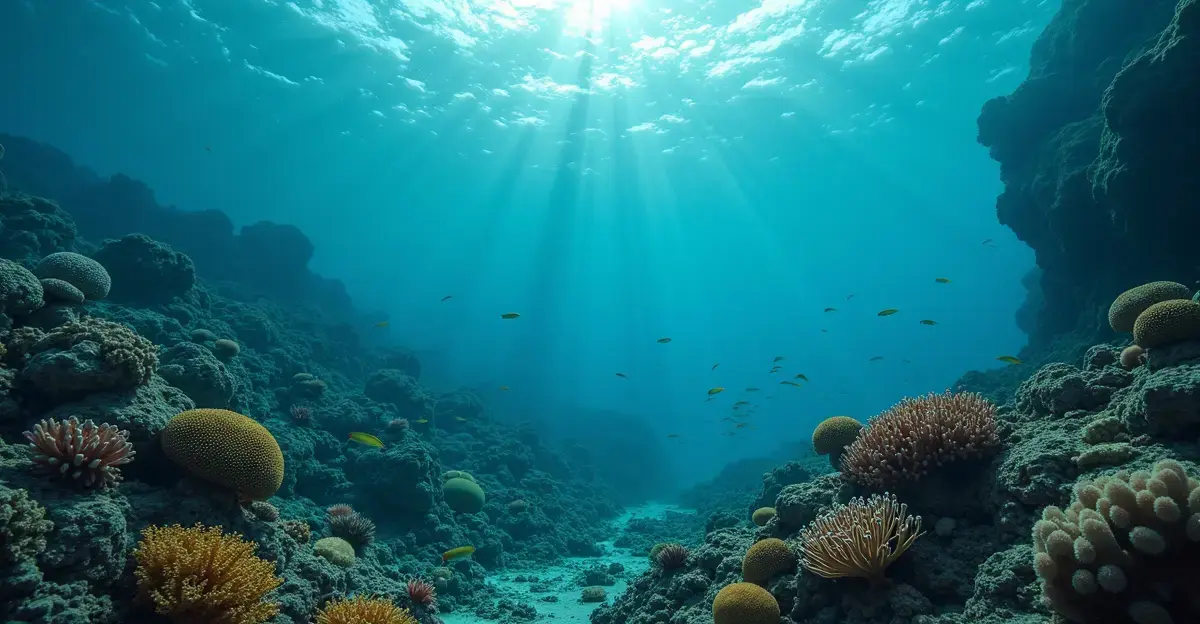
Conventional sunscreen ingredients such as oxybenzone and octinoxate have been linked to coral reef bleaching and are banned in several regions, including Hawaii, Palau, and parts of the Caribbean. The global reef-safe sunscreen market was valued at USD 2.5 billion in 2025 and is projected to reach USD 4.8 billion by 2034, growing at a CAGR of 7.8%, according to Verified Market Reports. Gadusol-based sunscreens could tap into this demand as a biodegradable, marine-safe alternative.
Beyond UV protection, gadusol also exhibits antioxidant activity comparable to vitamin C, which could help neutralize free radicals generated by sun exposure — an added skincare benefit. The compound is naturally produced by organisms that live in high-sunlight environments, suggesting it is both effective and biocompatible.
The research aligns with broader trends in sustainable biotechnology innovations and the search for bio-based alternatives to petrochemical-derived cosmetic ingredients. Similar efforts are underway to produce natural UV filters from algae and corals, but gadusol's potency and the scalability of the E. coli platform give it a competitive edge.
What's Next: From Lab to Sunscreen Bottle
While the results are promising, the lab-made gadusol has not yet been tested in head-to-head comparisons with commercial sunscreens or evaluated for long-term human safety. Regulatory approval from agencies like the FDA and European Medicines Agency will be required before products can reach consumers. The researchers estimate that gadusol-based sunscreens could appear on the market within two years, pending successful safety and efficacy trials.
'This is a major step forward, but we still need to demonstrate that gadusol performs as well as or better than existing UV filters in real-world formulations,' said lead researcher Dr. Mei Zhang of Jiangnan University. 'Our microbial production method offers a sustainable, scalable path to a natural sunscreen ingredient that could reduce reliance on synthetic chemicals.'
The team is now working with cosmetic industry partners to develop prototype formulations and conduct SPF testing. If successful, gadusol could become a key ingredient in the next generation of reef-safe sunscreens and skincare products, offering consumers a high-performance, eco-friendly option for sun protection.
Frequently Asked Questions
What is gadusol?
Gadusol is a natural UV-absorbing compound found in fish eggs, sea urchins, algae, and other marine organisms. It protects developing embryos from harmful ultraviolet radiation and has antioxidant properties similar to vitamin C.
How is gadusol produced for sunscreen?
Researchers at Jiangnan University engineered E. coli bacteria to produce gadusol by inserting genes from zebrafish. After optimization, the bacteria produce the compound at concentrations up to 4.2 grams per liter — a 93-fold increase over initial yields.
Is gadusol safe for humans and the environment?
Gadusol is a natural compound found in marine life and is expected to be biodegradable and reef-safe. However, it has not yet undergone formal human safety trials or regulatory review. Studies suggest it is non-toxic to aquatic organisms, but further testing is needed.
When will gadusol sunscreen be available?
Researchers estimate that gadusol-based sunscreen products could reach the market within two years, pending successful safety testing, formulation development, and regulatory approval from agencies such as the FDA.
How does gadusol compare to existing sunscreen ingredients?
Gadusol absorbs UV radiation and also provides antioxidant benefits. It is a natural alternative to synthetic UV filters like oxybenzone and octinoxate, which have been linked to coral reef damage and potential health concerns. Head-to-head SPF comparisons with commercial sunscreens are still underway.


Follow Discussion