


 Deutsch
 English
 Español
 Français
 Nederlands
 Português


 Share
Share




The Rise of Edible Packaging
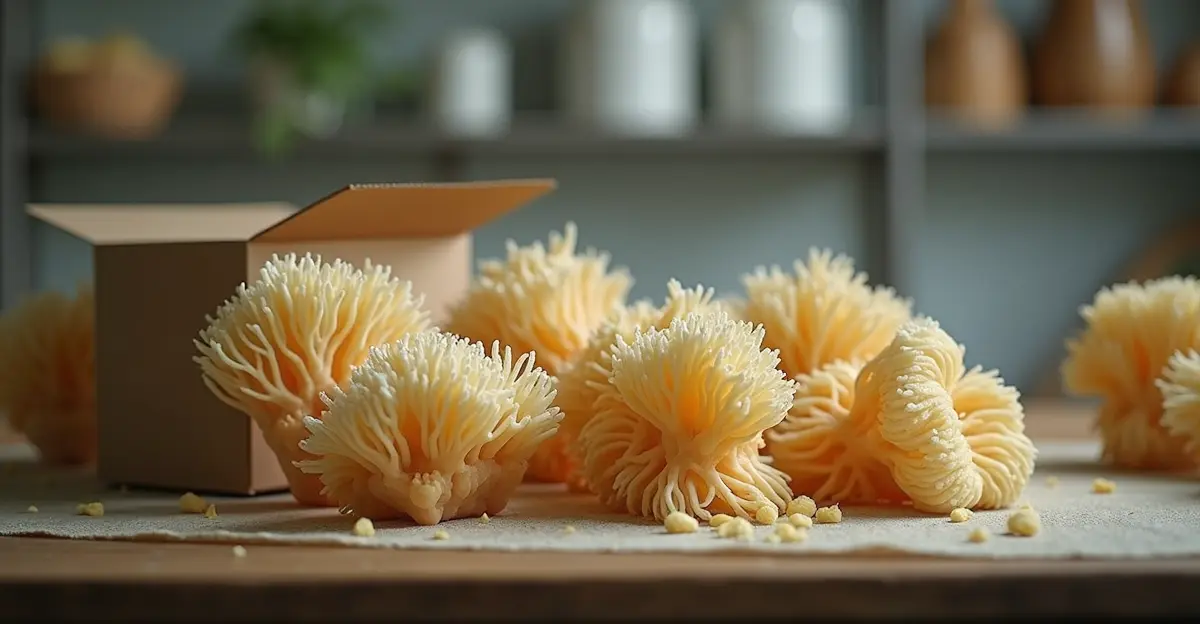
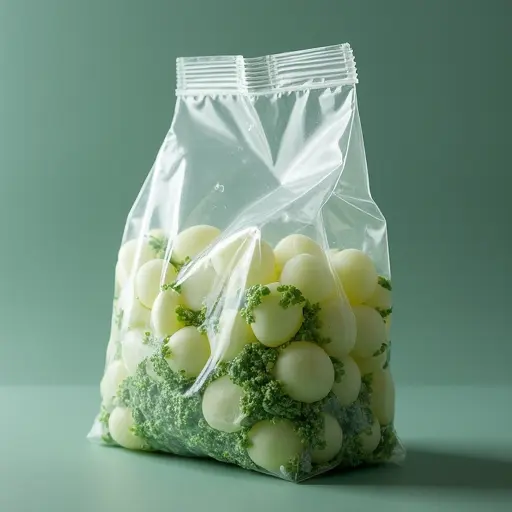
In 2025, edible packaging is transforming the food industry with innovative solutions that eliminate plastic waste. These biodegradable wrappers and containers, made from natural materials like seaweed, millet, and algae, can be consumed along with the food or composted, offering a sustainable alternative to traditional packaging. 'We're seeing a fundamental shift toward packaging that becomes part of the food itself,' says industry expert Dr. Maria Rodriguez. 'This isn't just about reducing waste—it's about reimagining how we interact with packaging.'
Leading Innovations in 2025
Several companies are pioneering edible packaging technologies. Notpla, a London-based startup, has developed seaweed-based Ooho pods for liquids and seaweed-coated food containers that decompose in weeks. Their products have already replaced over 21 million plastic items in European stadiums and are expanding globally. Another breakthrough comes from Indian researchers Kirtiraj K. Gaikwad and Bhushan P. Meshram, who created edible cups from Kodo millet, guar gum, and hibiscus powder. These cups are not only edible but also cost-effective and mechanically strong, making them viable for real-world use.
Environmental and Economic Benefits
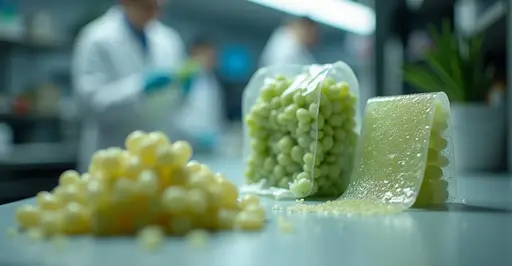
Edible packaging aligns with circular economy principles by using renewable resources and reducing reliance on fossil fuels. According to recent reports, the edible packaging market is projected to exceed $1 billion by 2027. 'The environmental impact is huge,' notes Haruto Yamamoto, a researcher in sustainable materials. 'Packaging that you can eat or that breaks down naturally cuts down on landfill waste and pollution.' Materials like calcium alginate gel from brown algae are safe for consumption and decompose without harmful residues, as highlighted in Wikipedia's coverage.
Challenges and Future Outlook
Despite the promise, edible packaging faces hurdles in scalability, consumer acceptance, and regulatory compliance. For instance, ensuring durability and moisture resistance remains a focus for developers. However, with advancements in nanotechnology and material science, these challenges are being addressed. 'We're not aiming to be a niche brand,' says a Notpla spokesperson. 'Our goal is to make seaweed-based packaging mainstream.' As regulations like the EU Single Use Plastics Directive tighten, edible packaging is poised to play a key role in reducing plastic pollution and fostering a waste-free future.

Follow Discussion