The Silent Epidemic: Sleep Deprivation in Modern Life

Sleep deprivation is a growing public health concern, with new research linking it to productivity, emotional regulation, and chronic health conditions. Emerging technologies are providing tools to track and improve sleep, offering hope for better sleep health.

sleep-deprivation-health-technology
Facebook X LinkedIn Bluesky WhatsApp
de flag en flag es flag fr flag nl flag pt flag

The Silent Epidemic: Sleep Deprivation in Modern Life

New Research Links Sleep to Productivity, Emotional Regulation, and Health

Sleep deprivation, often referred to as the silent epidemic, is increasingly recognized as a critical public health issue. Recent studies highlight its profound impact on productivity, emotional stability, and overall health. The National Sleep Foundation recommends 7–9 hours of sleep for adults, yet nearly one-third of the population fails to meet this benchmark.

The Health Consequences of Sleep Deprivation

Chronic sleep deprivation is linked to a host of adverse health outcomes, including obesity, diabetes, cardiovascular diseases, and mental health disorders like depression and anxiety. A meta-analysis published in Sleep Medicine Reviews underscores the long-term risks, emphasizing the cumulative nature of sleep debt.

Technology to the Rescue

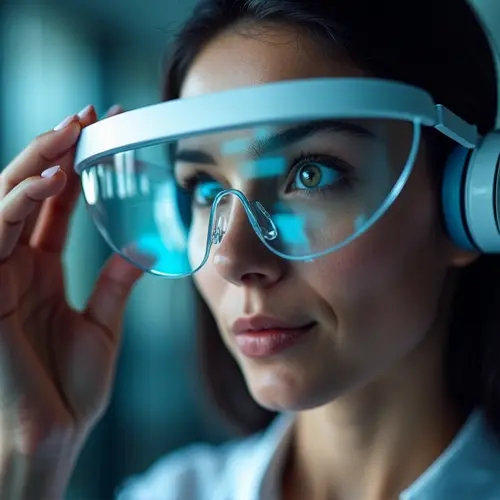
Innovative technologies are emerging to combat sleep deprivation. Wearable devices and mobile apps now track sleep patterns, offering insights into sleep quality and duration. These tools, combined with behavioral interventions, are helping individuals optimize their sleep routines.

The Future of Sleep Health

As research continues to unravel the complexities of sleep, the focus is shifting toward personalized sleep solutions. From smart mattresses to AI-driven sleep coaches, the future promises tailored approaches to tackle this pervasive issue.


Related

5-chronotypes-research-revealed
Health

Beyond Early Birds & Night Owls: 5 Chronotypes Revealed

McGill University research identifies five distinct chronotypes beyond simple early bird/night owl classifications,...

sleep-drives-daily-activity
Health

Sleep Drives Daily Activity, Not the Other Way Around

New research shows quality sleep drives next-day physical activity more than exercise improves sleep. Only 13% meet...

vitamin-d-timing-morning-evening
Health

Vitamin D Timing: Morning vs Evening for Optimal Absorption

Research shows vitamin D timing matters: morning intake with dietary fat optimizes absorption and prevents sleep...

wearables-sleep-apnea-diagnosis
Health

Wearables Diagnose Sleep Apnea Remotely

Wearable devices now accurately detect sleep apnea by monitoring breathing patterns overnight, replacing lab tests....

sleep-culture-health-research
Life

Where You Live Determines Your Ideal Amount of Sleep: 'No Universal Perfect Sleep Time'

Research reveals that the ideal amount of sleep varies by culture, with no universal perfect sleep time. People who...

meningitis-kent-university-outbreak-vaccination
Health

Meningitis Outbreak Explained: Kent University Vaccination Program After 2 Deaths

Deadly meningococcal outbreak at University of Kent kills 2 students, hospitalizes 15. Emergency vaccination program...