Nederlands
 English
 Deutsch
 Français
 Español
 Português





Medical Breakthrough: Brain Stimulation Triggers Vision Recovery
In a remarkable medical breakthrough that has stunned the scientific community, a Spanish man who had been completely blind for over three years has unexpectedly regained partial natural vision following a brain implant procedure. The case, documented in a recent study published in Brain Communications, represents one of the most surprising developments in neurotechnology and vision restoration research.
The Unexpected Recovery
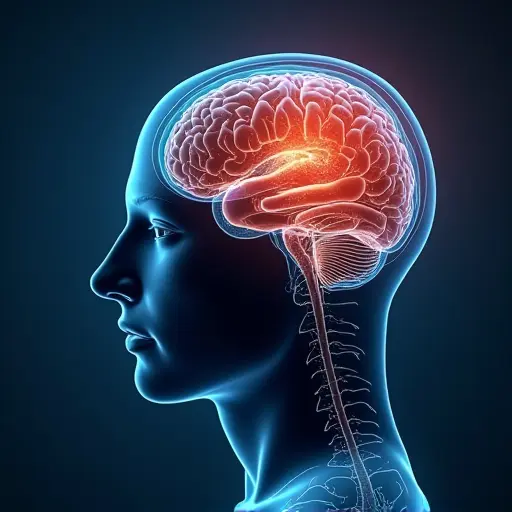
Miguel Terol, who lost his vision in 2018 due to non-arteritic anterior ischemic optic neuropathy (NAION), underwent surgery in June 2022 as part of a clinical trial at Miguel Hernández University. Surgeons implanted a tiny 4x4 millimeter device containing 100 microelectrodes into his visual cortex—the brain region responsible for processing visual information. The trial's primary goal was simply to test the safety of generating artificial visual perceptions through electrical stimulation, not to restore natural vision.
Yet just two days after the procedure, something extraordinary happened. 'We were just beginning to calibrate the implant when his vision started returning,' explained neurologist Arantxa Alfaro Sáez, a member of the research team. 'When we moved our arms around him, he could accurately tell us where we were standing and what movements we were making.'
Terol described his first visual experiences in years as 'moving shadows'—a breakthrough that came completely unexpectedly to both patient and researchers alike.
How the Implant Works
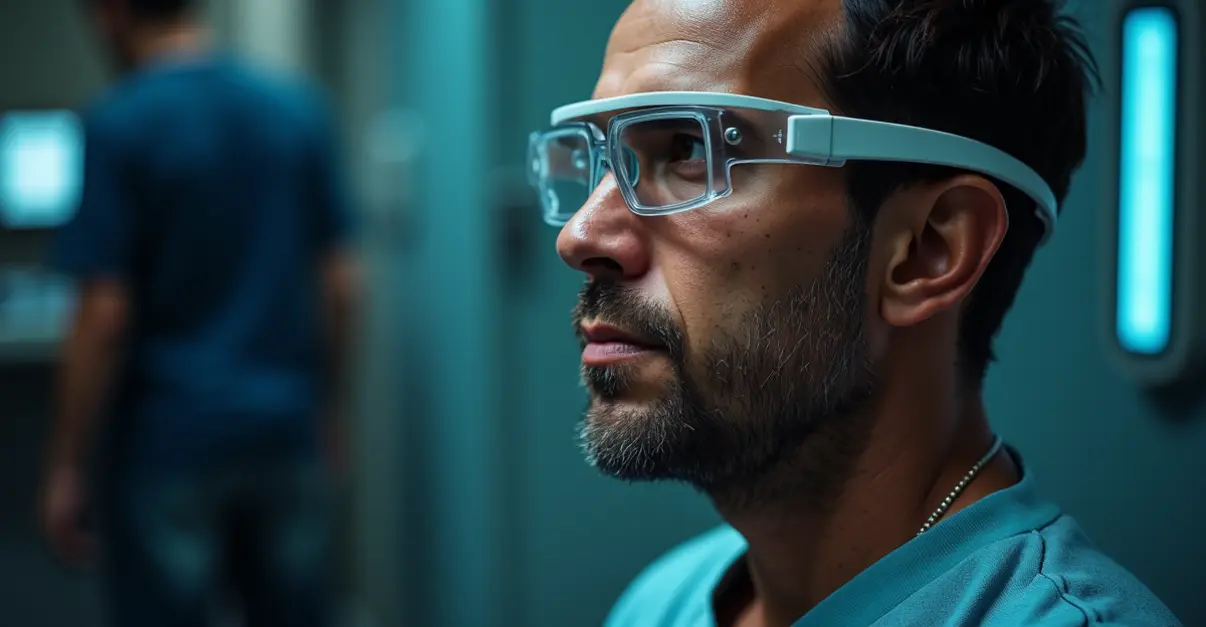
The brain implant, connected to special glasses that convert visual information into electrical signals, was designed to bypass Terol's damaged optic nerve entirely. By stimulating the visual cortex directly with precise electrical patterns, the system aimed to create artificial light perceptions. This approach is part of the growing field of neurostimulation, which uses electrical or magnetic stimulation to modulate nervous system activity.
What makes Terol's case particularly remarkable is the timing. Most vision recovery from optic nerve damage occurs shortly after injury, not three years later. 'That you see recovery after such a long period is very unusual,' noted Alfaro Sáez in an interview with Medical Xpress.
Sustained Improvement and Daily Training
Following the initial recovery, Terol underwent intensive daily visual training sessions lasting at least 30 minutes each day. The exercises progressed from detecting light to locating objects in space, recognizing movements, and eventually identifying shapes, letters, and numbers.
'The daily training, together with the participant's commitment, may have played a relevant role in the recovery,' said team member Leili Soo.
Researchers monitored Terol's progress using visual evoked potentials—small electrical signals the brain generates when processing real visual information. Before the surgery, these signals were almost absent. Over time, they gradually reappeared and strengthened, providing objective evidence that his vision was genuinely improving.
Life-Changing Results
The practical impact on Terol's life has been substantial. He regained the ability to recognize shapes and letters, perform daily tasks like picking up a glass without missing, and move around with greater confidence and safety. Perhaps most astonishingly, the improvements persisted even after the implant was surgically removed three years later.
'During all our clinical trials, the goal was to generate artificial visual impressions, not to restore natural vision,' explained principal investigator Eduardo Fernández Jover. 'That a participant nevertheless showed measurable and lasting improvement suggests that certain factors play a role. But which ones we don't yet know.'
Scientific Implications and Future Research
This single case offers tantalizing clues about the brain's capacity for recovery through stimulation and training. The sustained improvement after implant removal suggests that something changed permanently in Terol's brain—likely through neuroplasticity, the brain's ability to reorganize and form new neural connections.
While researchers caution that this result may not be replicable in other patients, it opens new avenues for treating vision impairment. Fernández Jover suggests future research might explore non-invasive options like transcranial electrical stimulation that doesn't require brain surgery.
The study, detailed in El País, raises important questions: Why did this happen with this particular patient? What combination of stimulation and training is optimal? And how does the brain respond to longer-term stimulation?
For now, Terol's unexpected journey from blindness to partial sight stands as a beacon of hope for millions worldwide living with vision impairment—and a powerful reminder of how much we still have to discover about the human brain's remarkable capabilities.