


 Deutsch
 English
 Español
 Français
 Nederlands
 Português


 Share
Share




Breakthrough Vaccine to Save Endangered Koalas
Australia has approved the world's first vaccine to protect koalas from chlamydia, a devastating disease responsible for half of all koala deaths. This landmark development comes as the iconic marsupial faces extinction threats from habitat loss and disease.
Decade-Long Research Effort
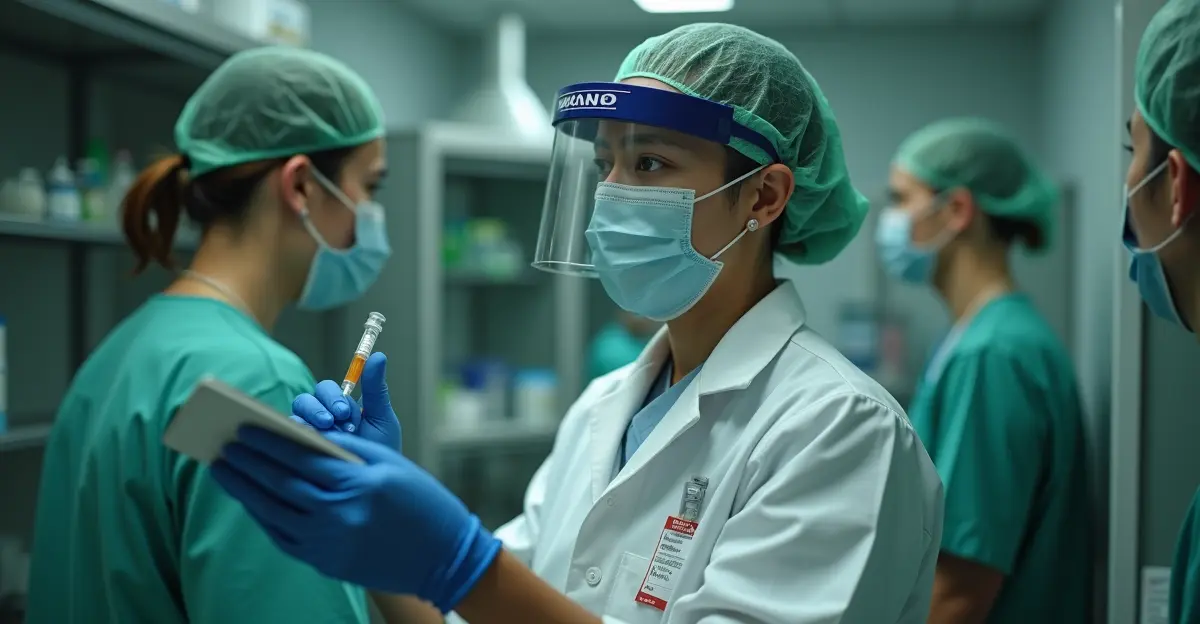
Researchers from Sunset Coast University spent over ten years developing this groundbreaking vaccine, which requires only a single dose without booster shots. "The vaccine is a major step in combating one of the greatest threats to Australia's most iconic marsupial," the research team stated in their announcement.
Chlamydia Crisis in Koala Populations
Chlamydia, caused by a sexually transmitted bacterium, affects 50-70% of koalas in some eastern Australian populations. The disease causes bladder problems, infertility, blindness, and death. Traditional antibiotic treatments have proven problematic as they destroy the gut flora essential for digesting eucalyptus leaves, potentially leading to starvation.
Government Conservation Efforts
The Australian government has invested significantly in koala conservation, allocating approximately €43 million through the Saving Koalas Fund. This initiative supports vaccine research, wildlife monitoring, and habitat restoration following devastating bushfires that have destroyed koala habitats since 2022.
Environment Minister Watt emphasized the importance of these efforts: "Caring for sick animals like koalas is crucial to ensure future generations can still see these unique animals in the wild."
According to World Wildlife Fund data, koalas were declared endangered in 2022, with populations declining by 40% in Queensland and 33% in New South Wales over recent decades.




Follow Discussion