Dutch watchdog fines stores for misleading collagen supplement claims

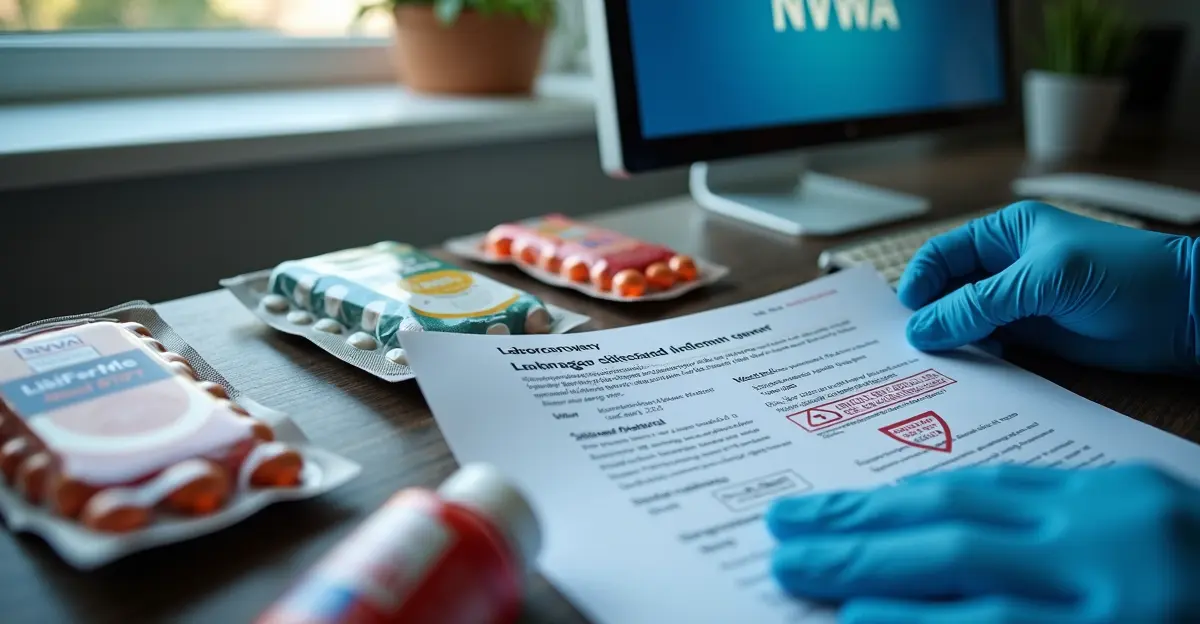
Dutch authorities fined 25 drugstore websites for making unproven health claims about collagen supplements. The NVWA found false assertions about disease prevention and health benefits, issuing fines up to €1,050 and requiring immediate corrections.

Dutch watchdog fines stores for misleading collagen supplement claims
Facebook X LinkedIn Bluesky WhatsApp
de flag en flag es flag fr flag nl flag pt flag

Dutch regulator cracks down on false collagen claims

The Dutch Food and Consumer Product Safety Authority (NVWA) has fined multiple drugstore chains for making unverified health claims about collagen supplements. After investigating 30 online retailers, the regulator found that 25 were making scientifically unsupported assertions about the benefits of these products.

What is collagen?

Collagen is a structural protein naturally produced by the human body, comprising 25-35% of mammalian protein content. It's essential for skin elasticity, joint health, and connective tissues. While collagen production decreases with age, scientific evidence doesn't support oral supplements as effective replacements.

Regulatory violations

The NVWA discovered widespread claims that collagen supplements could "prevent or cure diseases" and provide specific health benefits - assertions prohibited under European food supplement regulations. Both large chains and smaller retailers received fines ranging from €525 to €1,050 depending on violation severity. All offenders were ordered to immediately correct their product descriptions.

Scientific perspective

Nutrition experts emphasize that the body breaks down ingested collagen into amino acids, with no evidence it gets reassembled into collagen where needed. Dermatologists note topical collagen applications may temporarily improve skin appearance, but oral supplements show negligible effects in peer-reviewed studies.

Related

Teen Sugar Crisis: Half of Dutch Teens Drink 90 Sugar Cubes Weekly | Health Alert
Health
AI relevance 94.4%

Teen Sugar Crisis: Half of Dutch Teens Drink 90 Sugar Cubes Weekly | Health Alert

Half of Dutch teens consume 90 sugar cubes weekly in sugary drinks, exceeding WHO limits by 100%. New 2026 study...

New Study: Climate-Sensitive Diseases Spread as Funding Gaps Threaten Health Systems
Health
AI relevance 88.9%

New Study: Climate-Sensitive Diseases Spread as Funding Gaps Threaten Health Systems

New research shows climate-sensitive diseases spreading rapidly due to climate change, while inadequate surveillance...

WHO Updates Global Health Threats with AMR and Airborne Viruses
Health
AI relevance 83.3%

WHO Updates Global Health Threats with AMR and Airborne Viruses

WHO has updated its global health threats list, adding antimicrobial resistance and airborne virus transmission as...

Why Loneliness Is Now Classified as a Public Health Crisis
Health
AI relevance 77.8%

Why Loneliness Is Now Classified as a Public Health Crisis

Loneliness is now recognized as a public health crisis, with severe impacts on mental and physical health....

Loneliness Epidemic: The Silent Public Health Crisis
Health
AI relevance 72.2%

Loneliness Epidemic: The Silent Public Health Crisis

WHO declares loneliness a global epidemic affecting 1 in 6 people worldwide, causing 871,000 annual deaths. Young...

One Health Surveillance: Early Detection for Zoonotic Threats
Health
AI relevance 66.7%

One Health Surveillance: Early Detection for Zoonotic Threats

One Health surveillance integrates human, animal, and environmental monitoring to detect zoonotic diseases early....