


 Deutsch
 English
 Español
 Français
 Nederlands
 Português


 Share
Share




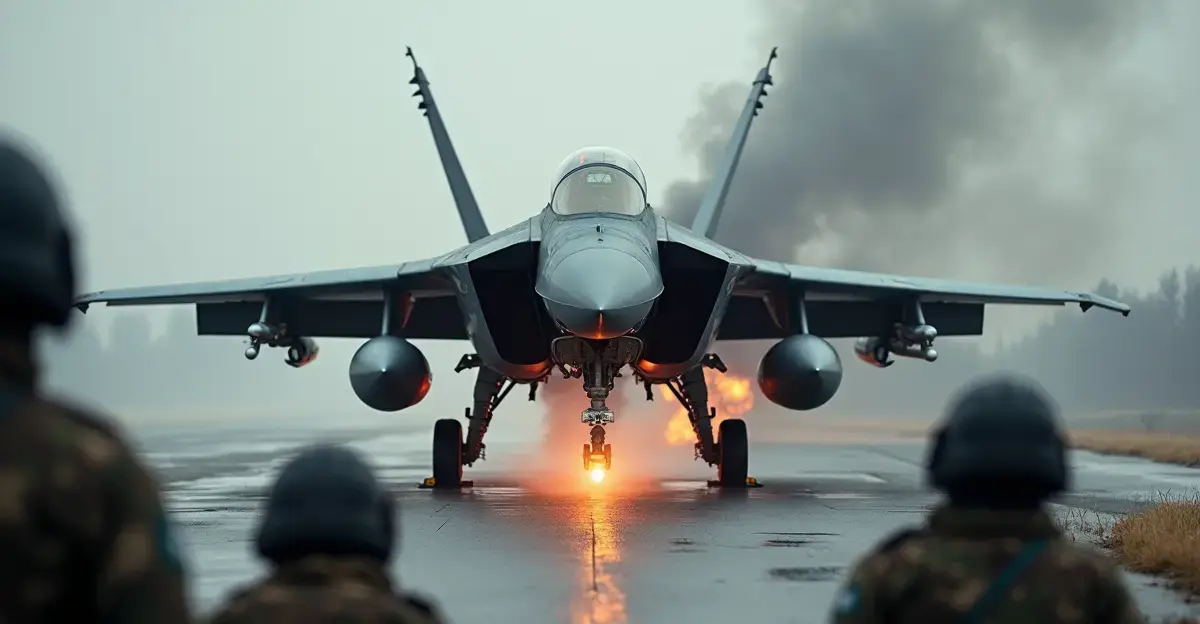
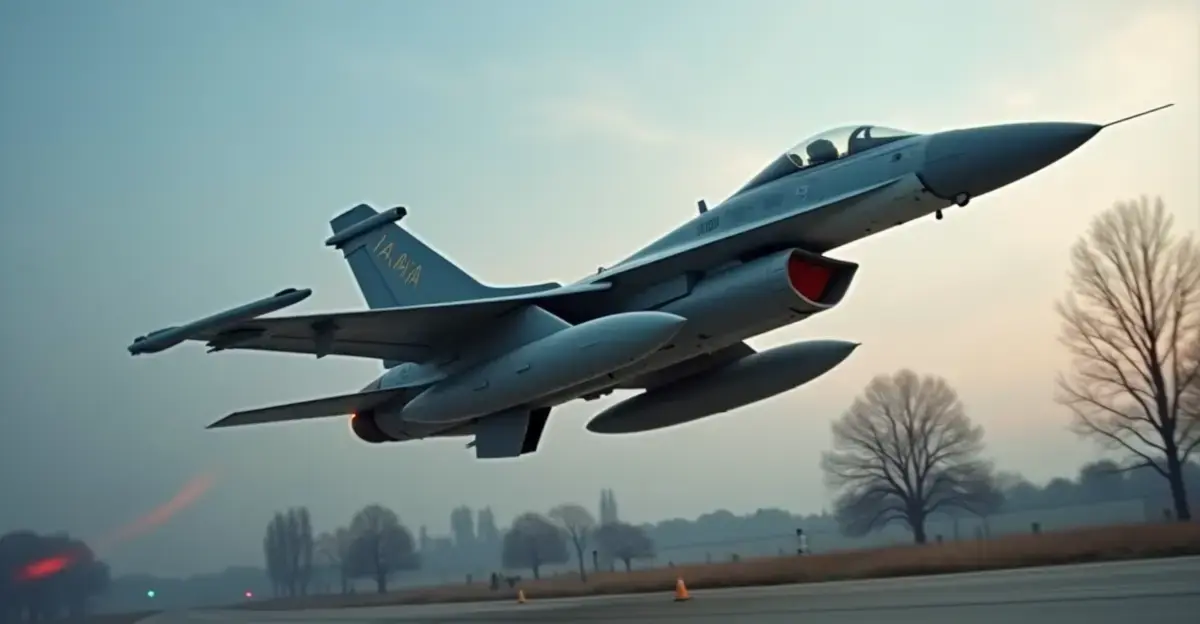
Swedish and Finnish fighter jets intercepted a group of Russian military aircraft over the Gulf of Finland on 24 September 2026, the Finnish Air Force confirmed. The first joint identification mission between the two NATO members involved Finnish F/A-18 Hornets and Swedish JAS 39 Gripens tracking a Russian detachment that included a Tu-134 transport aircraft, MiG-31 interceptors and Su-30 multirole fighters. The operation is the latest sign of heightened tension in the Baltic region.
What happened over the Gulf of Finland?
According to the Finnish Air Force, the Russian aircraft were flying in international airspace but were closely followed and identified by the two Nordic nations. The mission, led by Finland's Air Operations Centre, was the first time the two air forces conducted a joint operational identification under their NATO Baltic air policing cooperation. Officials said the autumn-deepened partnership allows quick reaction alert jets to operate from each other's bases.
- Finnish F/A-18 Hornets
- Swedish JAS 39 Gripens
- Russian Tu-134 transport
- Russian MiG-31 interceptors
- Russian Su-30 multirole fighters
Why did Sweden and Finland intercept the Russian jets?
Sweden and Finland joined NATO after Russia's full-scale invasion of Ukraine in 2022, transforming the security architecture of Northern Europe. Both countries now operate under NATO's collective defence framework and have deepened their own bilateral air defence through the Quick Reaction Alert programme. Swedish Prime Minister Ulf Kristersson called the operation a clear example of that cooperation. 'The Baltic Sea has never been so vulnerable as now but it has also never been so well protected as at this moment,' Kristersson said.
What is Quick Reaction Alert?
Quick Reaction Alert (QRA) is a standing NATO and national defence posture in which fighter jets remain on high readiness to scramble, intercept and identify aircraft that enter or approach a country's airspace. The first joint Sweden-Finland QRA identification mission shows how the two air forces can share command, control and basing in a crisis.
Russian provocations across NATO's eastern flank
The Gulf of Finland incident is part of a broader pattern. Earlier the same week, a Russian Mi-8 helicopter flew 42 seconds in Polish airspace, reaching up to 300 metres over the border, according to Polish authorities. Polish Prime Minister Donald Tusk warned that Russia is seeking escalation. Observers say Moscow is testing how NATO responds to Russian drone incursions and other provocations, with Russian drones also reaching Romanian territory in recent months.
What the joint intercept means for Baltic security
The joint mission reinforces NATO's northern flank at a time when Baltic Sea security is under pressure from airspace violations, pipeline outages and drone sightings. By operating together, Sweden and Finland signal that NATO's newest Nordic members can respond quickly and in coordination. Analysts note that such visible interception missions deter further escalation while avoiding direct confrontation in international airspace.
FAQ: Sweden and Finland intercept Russian jets
Where did the Russian aircraft fly?
The Russian group was tracked in international airspace over the Gulf of Finland, between Finland and Estonia.
What aircraft were involved?
Finnish F/A-18 Hornets and Swedish JAS 39 Gripens intercepted a Russian Tu-134 transport aircraft, MiG-31 interceptors and Su-30 fighters.
Was this the first joint Sweden-Finland mission?
Yes. It was the first joint operational identification mission between the two air forces under their Quick Reaction Alert cooperation.
Why is the Baltic Sea considered vulnerable?
Since Russia's 2022 invasion of Ukraine, the region has seen airspace violations, drone incursions and damage to undersea infrastructure, raising security concerns.
How has NATO responded?
NATO has increased Baltic air policing patrols and Nordic members have deepened joint defence cooperation, including shared quick reaction alert operations.


Follow Discussion