


 Deutsch
 English
 Español
 Français
 Nederlands
 Português


 Share
Share




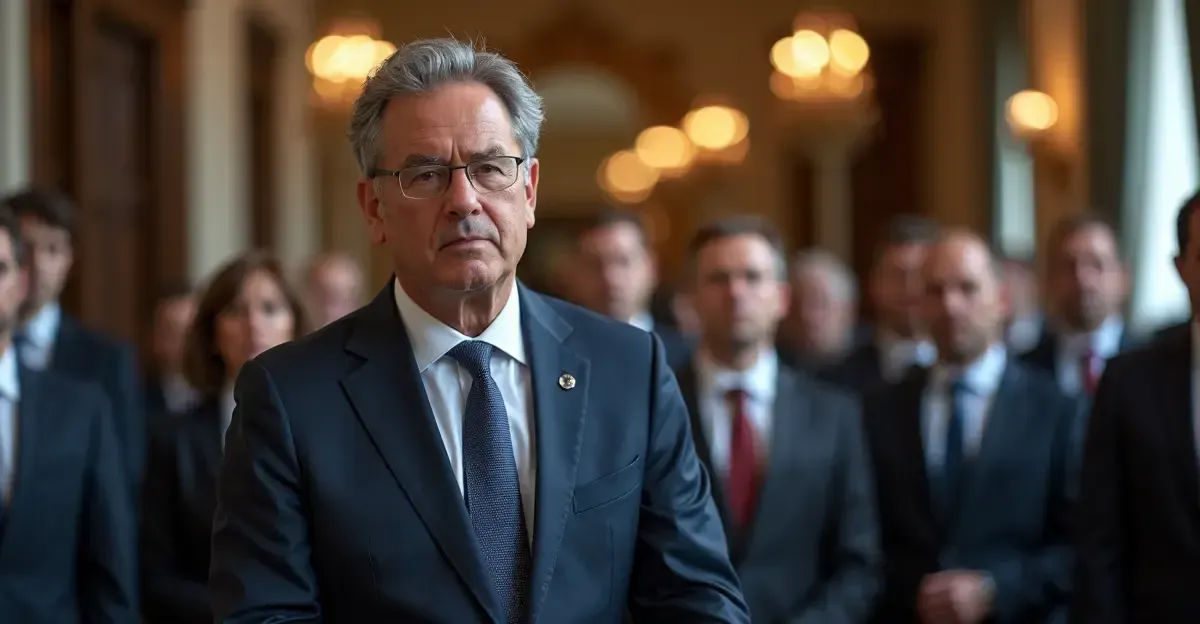
The United States has imposed sanctions on International Criminal Court (ICC) President Tomoko Akane and senior prosecutor Abdoulaye Seye, marking a sharp escalation in Washington's campaign against the Hague-based tribunal. Announced on August 18, 2026, by Secretary of State Marco Rubio, the measures freeze any US assets held by the two officials and bar them from using the American financial system. The move directly targets the court's leadership as it pursues war crimes cases involving Israel and Afghanistan.
What Are the New US Sanctions on the ICC?
The sanctions, issued under Executive Order 14203, designate ICC President Tomoko Akane of Japan and Abdoulaye Seye, a Senegalese senior trial lawyer in the Office of the Prosecutor. According to the US State Department, the two are 'directly involved in attempts to investigate, arrest, detain and prosecute officials of countries that do not submit to the court's jurisdiction.'
Secretary Rubio described the ICC as a 'corrupt and fatally politicized supranational court' and warned that the whole-of-government campaign would be sweeping. Under the sanctions, Akane and Seye cannot access any bank accounts or assets in the US, and—perhaps more significantly—they are cut off from the US-dollar financial system that nearly all internationally operating banks rely on. This echoes earlier sanctions against ICC chief prosecutor Karim Khan, who lost access to his US bank accounts and even his Microsoft email after Trump's first sanctions round.
Why Is the US Targeting the ICC President?
The United States does not recognize the ICC's jurisdiction and has never ratified the Rome Statute. Washington fears that American soldiers, CIA operatives, or allies such as Israel could one day face prosecution for war crimes or crimes against humanity. The current escalation is directly linked to the ICC's 2024 arrest warrants for Israeli Prime Minister Benjamin Netanyahu and former Defense Minister Yoav Gallant over the Gaza war.
The ICC arrest warrants for Netanyahu triggered a fierce backlash from the Trump administration. Seye is part of the prosecution team that issued those warrants, which allege war crimes and crimes against humanity. Rubio has previously stated the US would dismantle the ICC 'stone by stone' if necessary.
Netanyahu and Gallant Arrest Warrants
In November 2024, the ICC issued arrest warrants against Netanyahu, Gallant, and Hamas military leader Mohammed Deif for alleged crimes during the Gaza conflict. The US, a close ally of Israel, condemned the decision and later imposed sanctions on ICC officials involved in the cases. The 2024 ICC arrest warrant controversy remains a central flashpoint in US-ICC relations.
Afghanistan War Crimes Investigation
US objections to the ICC date back further. In 2016, the court opened a preliminary examination into possible war crimes committed by American military personnel, the CIA, the Taliban, and other armed groups in Afghanistan. Although the investigation was shelved in 2019 due to lack of cooperation, it underscored the court's potential reach over US nationals—a key driver of Washington's hostility. Similar to the Trump administration sanctions on ICC officials imposed in early 2026, the latest measures signal a broader strategy to pressure the court and its supporters.
Impact on International Justice
The sanctions have drawn sharp criticism from human rights organizations and legal experts, who argue they undermine the rule of law. The ICC itself responded that the measures 'undermine the rule of law' and endanger the international legal order, insisting it will continue to work independently. In June 2026, ICC judges even began legal proceedings against the US government over the sanctions, and several human rights groups filed lawsuits challenging the executive order.
The US sanctions against the International Criminal Court could have far-reaching consequences. Financial restrictions may deter ICC staff, hamper investigations, and isolate the court from global banking networks. At the same time, they may galvanize other nations to defend the tribunal, deepening the divide between the US and its European allies.
FAQ: US Sanctions on ICC President
Who is Tomoko Akane?
Tomoko Akane is a Japanese judge who has served as President of the International Criminal Court since 2024. She previously worked as a prosecutor and judge in Japan and has been an ICC judge since 2018.
Why did the US sanction the ICC President?
The US says Akane is directly involved in attempts to prosecute officials of countries that do not accept the ICC's jurisdiction, including the US and Israel. The sanctions are part of a broader campaign against the court over its Gaza war and Afghanistan investigations.
What do the sanctions actually do?
The sanctions freeze any assets Akane and Seye hold in the US and prohibit them from using the US financial system, effectively cutting them off from dollar-denominated banking worldwide.
Is the US a member of the ICC?
No. The US signed the Rome Statute in 2000 but never ratified it, and formally withdrew its signature in 2002. It does not recognize the court's jurisdiction.
Will the sanctions stop the ICC's Netanyahu case?
Unlikely. The ICC has said it will continue its work independently, and the arrest warrants against Netanyahu and Gallant remain active. However, the financial pressure may slow some investigations.

Follow Discussion