


 Deutsch
 English
 Español
 Français
 Nederlands
 Português


 Share
Share




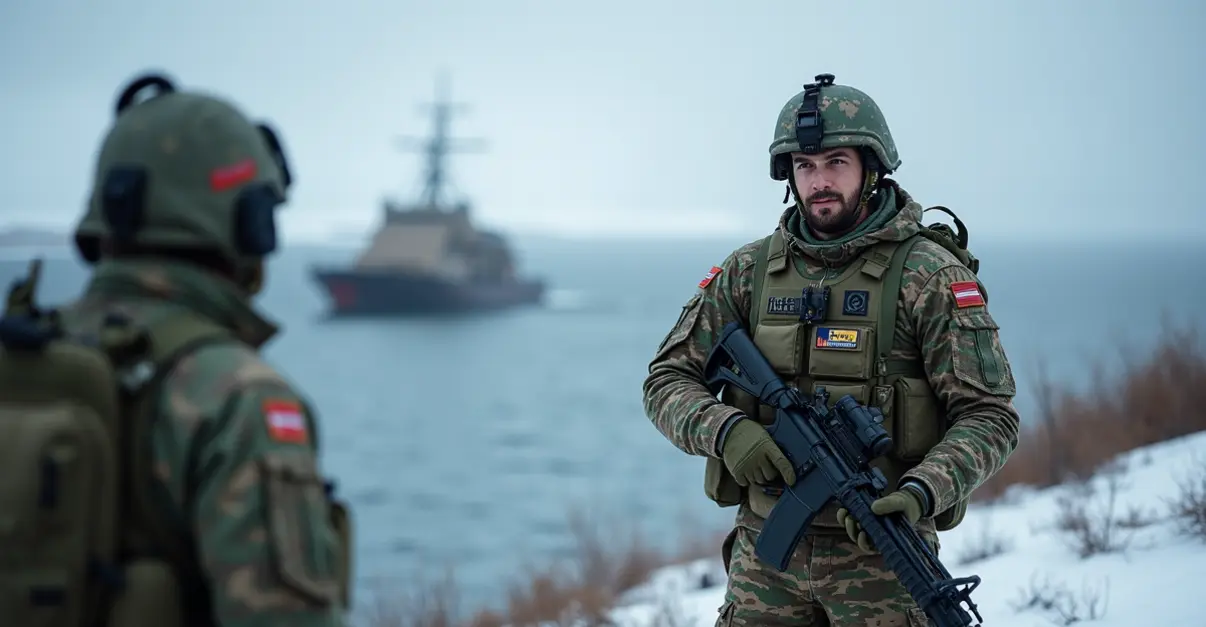
Denmark has officially launched its extended 11-month military conscription, with around 1,600 recruits beginning their service on August 3, 2026. The new system, which now includes women on equal terms, marks a significant escalation in the country's defense posture amid rising Arctic security tensions and the ongoing war in Ukraine. Originally planned for early 2027, the reform was brought forward due to what military leadership described as an urgent need to counter threats from Russia and heightened uncertainty in the Arctic region.
What is Denmark's New Conscription Policy?
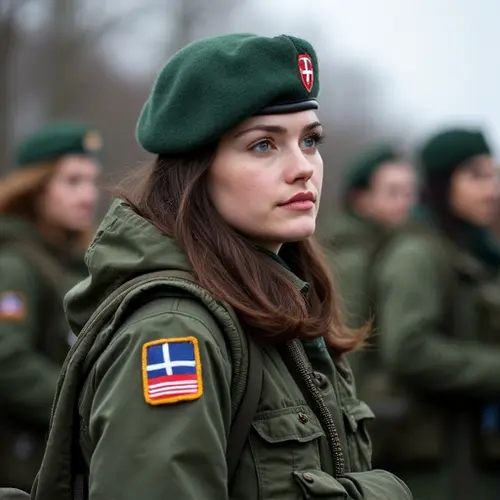
In a historic overhaul of its national service, Denmark has extended conscription from four to 11 months and, for the first time, made women eligible for the draft. The reform, announced in 2024, aims to increase the annual intake of conscripts from 5,000 to 7,500 by 2033. The system operates on a lottery basis: all 18-year-olds receive a summons, and a ballot determines who must serve, although the vast majority of slots are filled by volunteers. In 2014, 99.1% of Danish conscripts were volunteers. The new regulation was originally set to take effect in early 2027 but was accelerated by the military's leadership in response to the deteriorating security environment. This places Denmark in line with other Nordic conscription systems that have recently been expanded or reinstated.
Why Denmark Extended Military Service
Russia and Arctic Security
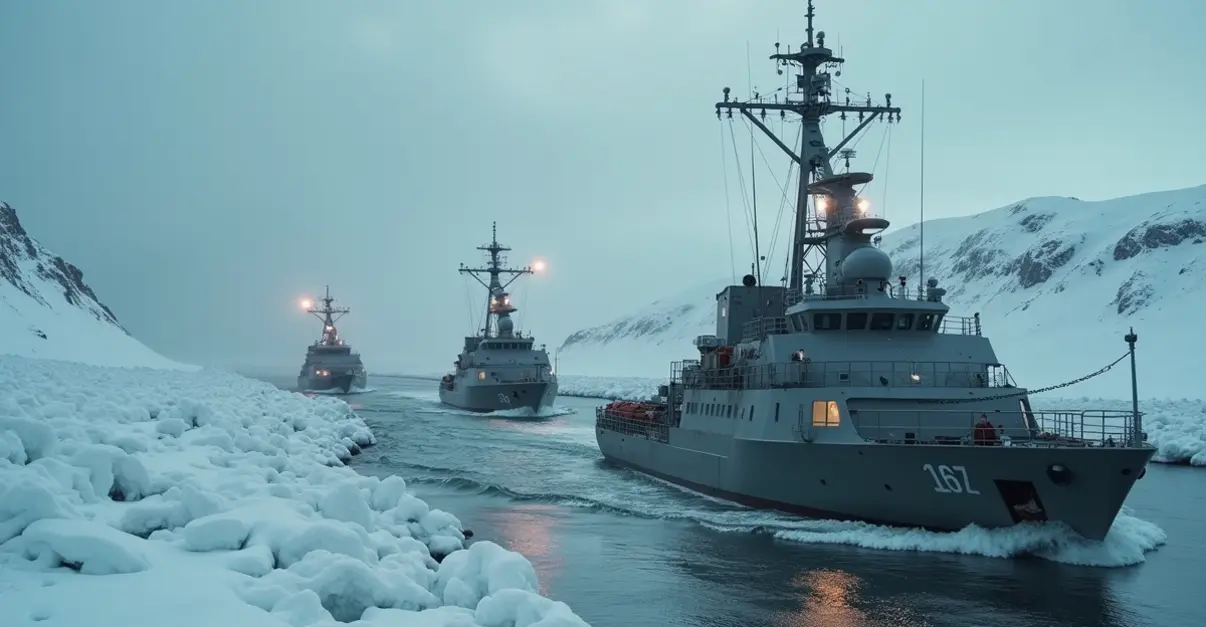
The decision to extend conscription reflects growing concerns over Russia's military posture and its implications for the Arctic and Baltic regions. Denmark's military leadership has pointed to Russia's invasion of Ukraine and its increased military activity in the High North as primary drivers. Prime Minister Mette Frederiksen underscored the seriousness at last month's NATO summit, stating: "Denmark is ready to defend every inch of NATO territory." The accelerated timeline signals Copenhagen's assessment that the security situation requires an immediate and robust response.
Trump's Greenland Annexation Threat
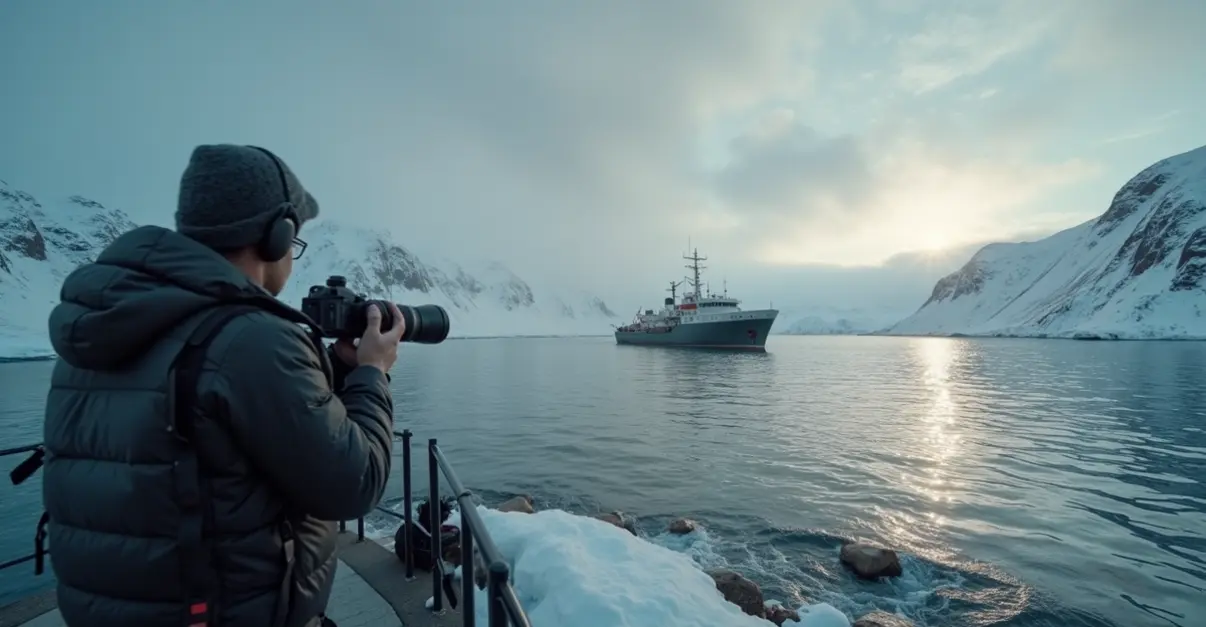
Compounding the Russian threat, repeated statements by U.S. President Donald Trump about acquiring Greenland have added a layer of unpredictability to Arctic security. Trump's annexation rhetoric, beginning in early 2025 and continuing through 2026, has been firmly rejected by both Denmark and Greenland's governments. The deployment of conscripts to Greenland for the first time is widely seen as a symbolic and practical assertion of Danish sovereignty. As one defense analyst noted, "The conscription reform is not just about numbers; it's about Denmark signaling that it takes its Arctic responsibilities seriously." This move fits into the broader pattern of Arctic military buildup by regional powers.
Key Features of the Extended Conscription
Longer Service and Inclusion of Women
The new system consists of five months of basic training followed by six months of operational service. Previously, conscripts served only four months, which many critics argued was insufficient for meaningful military readiness. The inclusion of women was mandated by a 2025 constitutional amendment and took effect on July 1, 2025, though this is the first cohort to undergo the full 11-month program. The reform positions Denmark alongside countries like Sweden and Norway, which have also moved toward gender-neutral conscription in recent years.
New Drone Platoon and Greenland Deployment
Among the modernizations is a dedicated drone platoon, reflecting the growing importance of unmanned systems in modern warfare. Additionally, over 100 conscripts will be deployed to Greenland later this month—a historic first. They will replace professional soldiers for a month-long rotation, a pattern that will continue thereafter. The deployment is a direct answer to challenges over Greenland sovereignty issues and is designed to demonstrate Denmark's commitment to its Arctic territory.
Princess Isabella Among First Recruits
Princess Isabella, the 19-year-old daughter of King Frederik and Queen Mary, was among the recruits starting service at Antvorskov Barracks in Slagelse. She has joined the Guard Hussar Regiment, following in the footsteps of her older brother, Crown Prince Christian. Isabella will decline the standard conscript salary of approximately 9,000 kroner ($1,385) per month plus allowances, a decision that mirrors her brother's and underscores the royal family's commitment to leading by example. Her participation has drawn significant media attention and is expected to further normalize conscription as a shared national duty.
Impact and Implications
The accelerated conscription reform signals a major shift in Denmark's defense strategy. By extending service and including women, the country aims to build a larger, more capable reserve force while addressing personnel shortages that had previously forced reliance on inadequate volunteer numbers. The move has been broadly supported across the political spectrum, though some left-wing parties have expressed concerns about the speed and cost of implementation. Militarily, the reform will gradually increase Denmark's deployable strength and enhance its ability to contribute to NATO missions. The focus on Arctic capabilities also aligns with the alliance's renewed emphasis on northern flank defense. Observers note that Denmark's approach could influence other European defense policy shifts as NATO allies grapple with similar challenges.
FAQ
How long is Denmark's new conscription?
The new conscription lasts 11 months: five months of basic training and six months of operational service. Some specialized tracks, such as the Guard Hussar Regiment mounted squadron, serve 12 months.
Are women required to serve in Denmark's military?
Yes, since July 1, 2025, women are included in the draft on equal terms with men. The August 2026 intake is the first to undergo the full 11-month program under the new gender-neutral rules.
Is conscription in Denmark voluntary?
Denmark uses a lottery-based system, but the vast majority of conscripts are volunteers. In recent years, over 99% of those serving have been volunteers; the lottery is used to fill any remaining slots.
Why did Denmark accelerate the conscription reform?
The military leadership brought forward the timeline due to the heightened threat from Russia and the unstable security situation in the Arctic, including tensions over Greenland.
Where will Danish conscripts be deployed?
For the first time, conscripts will be deployed to Greenland. Over 100 recruits will serve a one-month rotation there starting later in August 2026, with subsequent rotations planned.


Follow Discussion