


 Deutsch
 English
 Español
 Français
 Nederlands
 Português


 Share
Share




Burkina Faso has officially severed diplomatic relations with France, its former colonial ruler, in a dramatic escalation of tensions that have been building for years. The military junta led by Captain Ibrahim Traoré announced the decision on June 26, 2026, accusing France of 'incessant activism' against Burkinabe interests and of harboring 'neocolonial ambitions.' The move marks a historic rupture between the two nations and reshapes the geopolitical landscape of the Sahel region.
Background: A Rapidly Deteriorating Relationship
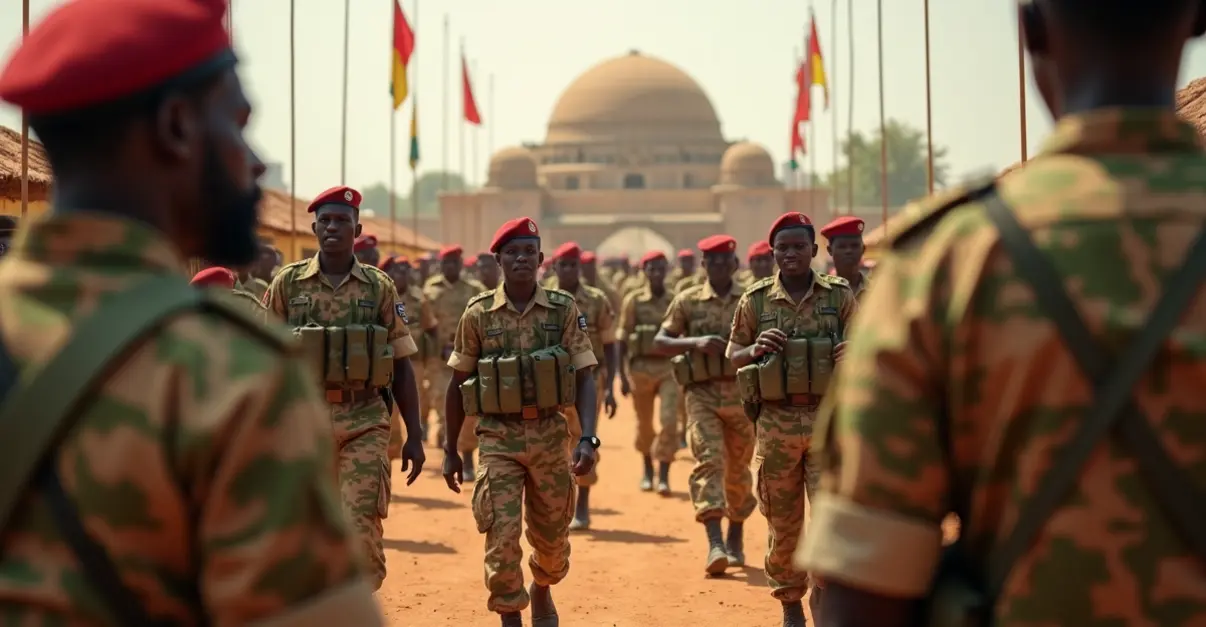
Relations between Burkina Faso and France have been in steady decline since Captain Traoré seized power in a coup in September 2022. The military regime, like those in neighboring Mali and Niger, has adopted an increasingly hostile posture toward Western powers, particularly France, which once served as a key security partner in the fight against jihadist insurgencies.
In 2023, Burkina Faso ordered the French ambassador to leave and refused to approve a replacement. That same year, France withdrew all its troops from the country following mass protests. The regime also banned French broadcaster France 24, drawing sharp criticism from the European Union. The deteriorating France-Africa relations have become a defining feature of the region's politics.
Official Announcement and Accusations
In a statement read on national television, Communications Minister Gilbert Ouedraogo declared that conditions for diplomatic relations based on 'mutual respect, reciprocal trust, non-interference, and national sovereignty are not in place.' The government accused France of actively supporting 'subversive networks' and 'terrorist groups' that have caused immense suffering in Burkina Faso and the wider Sahel.
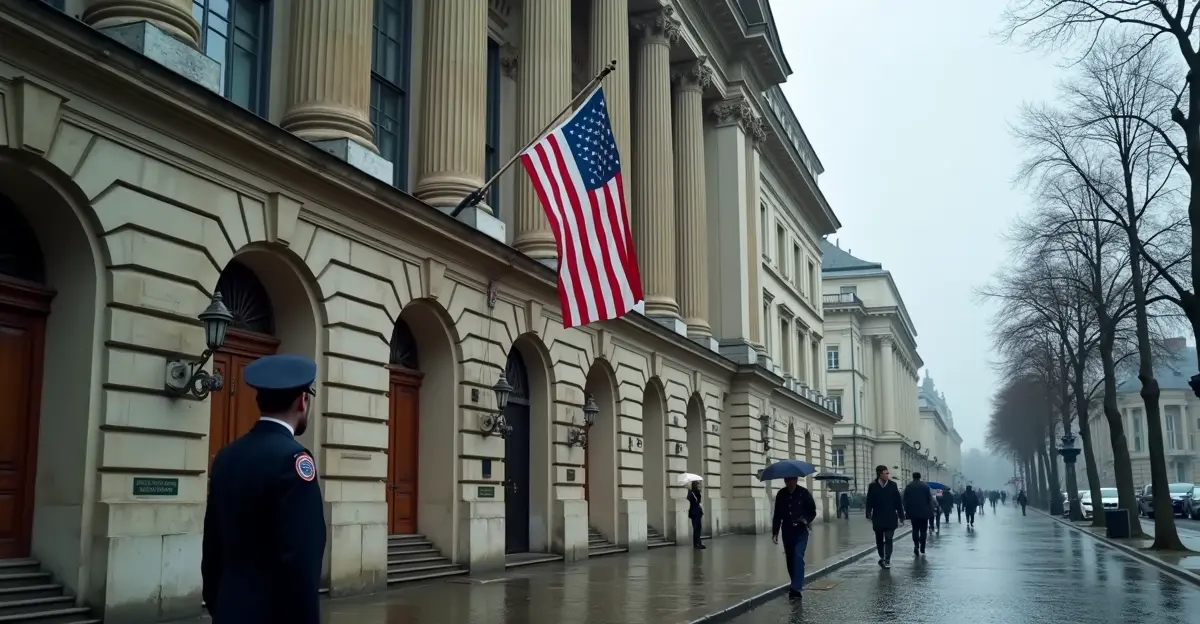
French Foreign Minister Jean-Noël Barrot described the decision as a 'hostile, unfounded, and unilateral measure' that illustrates the 'worrying trajectory' of Burkina Faso's authorities, according to Le Monde. Paris stated it was examining 'measures of reciprocity' in response.
The Security Crisis in Burkina Faso
Burkina Faso has been engulfed in a devastating jihadist insurgency since 2016. Armed groups affiliated with al-Qaeda (JNIM) and the Islamic State (ISIS-Sahel) control large swaths of rural territory. The conflict has killed over 20,000 people and displaced more than 2 million, creating one of the world's worst humanitarian crises. An estimated 60% of the country's territory remains outside government control, according to conflict monitors.
Captain Traoré has claimed that his forces have recaptured significant territory from jihadists, but independent analysts and critics remain skeptical. The junta has increasingly relied on Russian military support, including mercenaries from what was formerly the Wagner Group, now known as the Africa Corps.
Broader Regional Shift: The Alliance of Sahel States
Burkina Faso's break with France does not occur in isolation. The country, together with Mali and Niger, formed the Alliance of Sahel States (AES) in September 2023 and formally established a confederation in July 2024. The three military-led nations have collectively turned away from France and other Western partners while strengthening ties with Russia, Turkey, and other non-Western powers.
In January 2024, all three countries announced their withdrawal from the Economic Community of West African States (ECOWAS), which they accused of being subservient to French interests. In 2025, they also withdrew from the International Criminal Court. The Alliance of Sahel States geopolitical impact continues to reshape security and diplomacy in West Africa.
France's Response and Implications
France has condemned the decision and is reviewing retaliatory measures. The French Foreign Ministry stated that it 'takes note with regret' of Burkina Faso's decision, calling it a sign of the regime's 'increasing isolation.' However, Paris has emphasized that it will continue to support the Burkinabe people through humanitarian aid and regional stability efforts.
The diplomatic rupture has immediate practical consequences: the closure of embassies, suspension of visa services, and cessation of official bilateral cooperation. French nationals in Burkina Faso have been advised to exercise caution, though the government in Ouagadougou stated that the decision does not affect 'historical and human ties' between the two peoples.
Experts warn that the severing of ties could further destabilize the Sahel region. 'Without diplomatic channels, there is a risk of increased misunderstanding and potential for conflict escalation,' said Dr. Aïssata Sidibé, a Sahel security analyst at the Institute for Security Studies. The future of ECOWAS after AES withdrawal remains uncertain as regional blocs fragment.
FAQ: Burkina Faso's Diplomatic Break with France
Why did Burkina Faso sever diplomatic relations with France?
The military junta accuses France of 'neocolonial ambitions,' supporting subversive networks, and backing terrorist groups that destabilize the country. It claims conditions for a relationship based on mutual respect and non-interference are not present.
When did the break take effect?
The decision was announced on June 26, 2026, and took effect immediately. All official diplomatic channels between the two countries are now suspended.
How has France responded?
France called the move 'hostile and unfounded' and stated it is examining reciprocal measures. It has not yet announced specific retaliatory actions but condemned the 'worrying trajectory' of Burkina Faso's authorities.
What does this mean for the fight against terrorism in the Sahel?
The break removes a key diplomatic channel between a major regional power and a country battling a severe insurgency. Analysts fear it could hamper counterterrorism coordination and further isolate Burkina Faso, potentially worsening the security situation.
Is Burkina Faso completely cutting ties with the West?
While severing ties with France, Burkina Faso has strengthened partnerships with Russia, Turkey, and other non-Western nations. The country remains a member of the United Nations and other multilateral organizations but has withdrawn from ECOWAS and the ICC.




Follow Discussion