


 Deutsch
 English
 Español
 Français
 Nederlands
 Português


 Share
Share




In February 2026, the United States hosted a landmark 54-nation Critical Minerals Ministerial in Washington, unveiling over $30 billion in financing and new bilateral frameworks to counter China's tightening grip on rare earths and critical minerals. This comes as Beijing's sweeping export controls, implemented between October 2025 and March 2026, have exposed a structural vulnerability in Western industrial economies. With China controlling over 90% of global rare earth processing and 94% of permanent magnet production, the 2026 critical minerals crisis has become the defining geopolitical and economic flashpoint of the year.
China's Dominance and the 2026 Export Controls
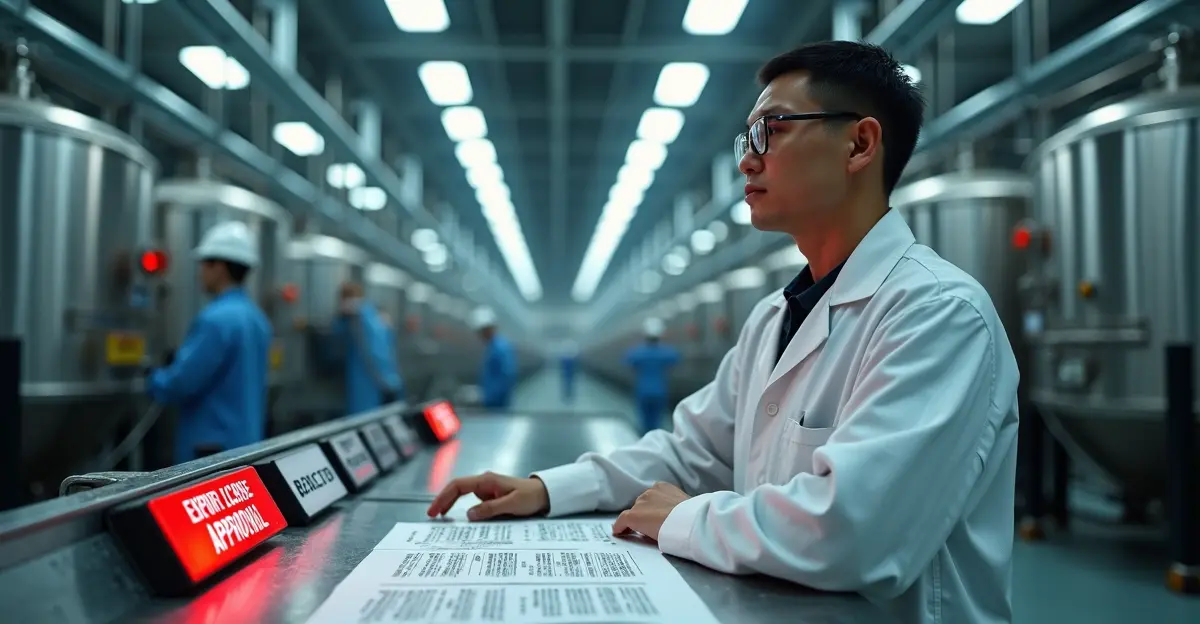
China's 15th Five-Year Plan (2026-2030), approved in March 2026, explicitly emphasizes global leadership in rare earth elements and plans to strengthen export controls on critical minerals. The country already controls approximately 60-70% of global rare earth mining and over 90% of processing capacity. The 2026 export controls have triggered price spikes of up to sixfold outside China, with licensing approval rates for European firms falling below 25% in some sectors. According to a multi-institutional analysis, China is weaponizing control rather than scarcity—using temporary, reversible restrictions to maintain pricing power and extract strategic concessions while preventing large-scale Western alternative investment.
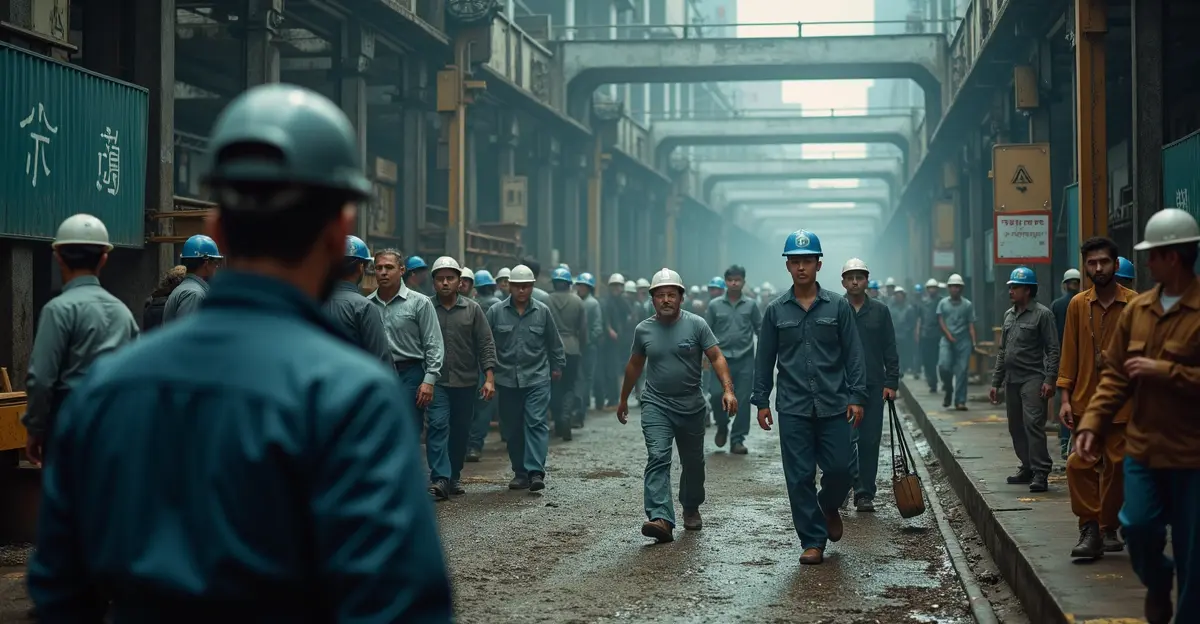
The rare earth supply chain is critical for defense, electric vehicles (EVs), renewable energy, and high-tech manufacturing. Over 80% of European firms depend on Chinese supply chains for these materials. The IMF has warned that geopolitical fragmentation from mineral supply chain weaponization poses significant downside risks to global growth.
The U.S. Response: FORGE, Project Vault, and $30 Billion in Financing
On February 4, 2026, U.S. Secretary of State Marco Rubio and Vice President JD Vance hosted the Critical Minerals Ministerial, bringing together 54 countries and the European Commission. The event marked the most aggressive U.S. response to date. Key outcomes included:
- FORGE (Forum on Resource Geostrategic Engagement): This new initiative replaces the Minerals Security Partnership (MSP) and is chaired by South Korea. FORGE creates a preferential trade-and-investment zone with coordinated price floors and adjustable tariffs to incentivize diversified supply chains.
- Project Vault: A $12 billion public-private initiative to establish a Strategic Critical Minerals Reserve, backed by a $10 billion loan from the Export-Import Bank. The project aims to stockpile key minerals to buffer against supply disruptions.
- 11 new bilateral critical minerals frameworks: Signed with countries including Argentina, Morocco, the Philippines, UAE, UK, and Uzbekistan, securing access to diverse sources of raw materials.
- Pax Silica: A $250 million public-private partnership focused on securing semiconductor supply chains.
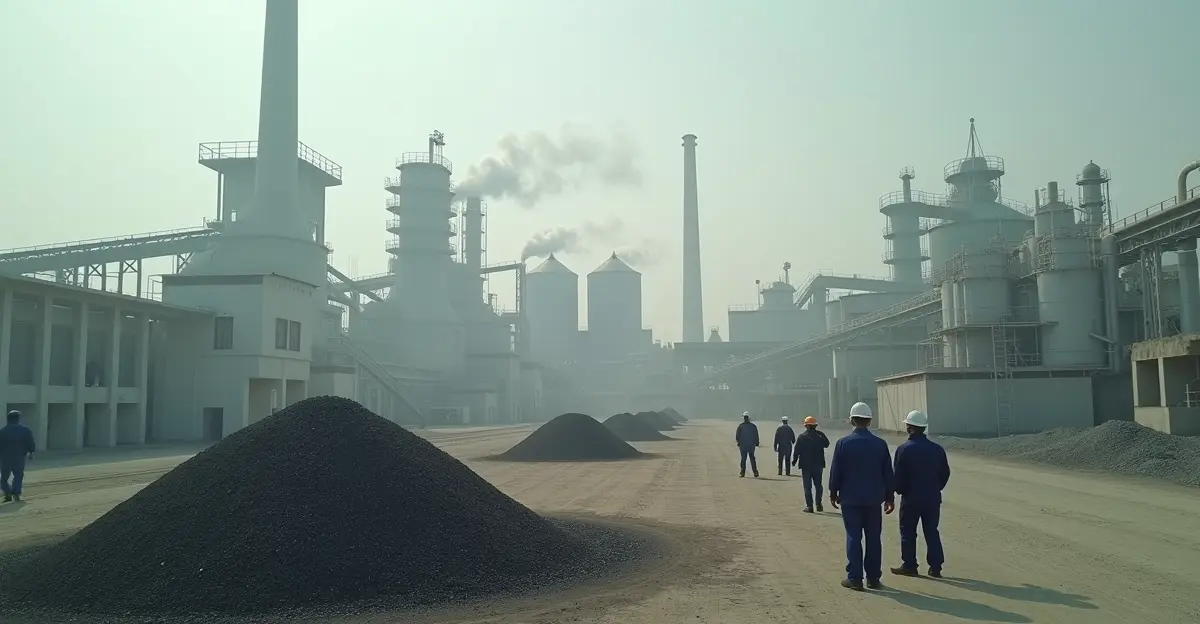
The U.S. government has mobilized over $30 billion in letters of interest, investments, and loans for critical mineral supply chain projects over the past six months. However, experts warn that rebuilding independent processing capacity outside China could take 20 to 30 years. The critical minerals financing pledges represent a significant step, but the timeline remains daunting.
Europe's Vulnerability and Strategic Options
Europe faces an acute dependency: over 80% of European firms rely on Chinese supply chains for materials essential to defense, EVs, and renewable energy. The 2026 export controls have hit European manufacturers hard, with license approval rates plummeting. The European Union has responded with the Critical Raw Materials Act, aiming to diversify sources and boost domestic mining and recycling. However, the EU critical raw materials strategy faces significant hurdles, including lengthy permitting processes and high costs.
A recent analysis presents three strategic paths for Western nations: managed dependence (accepting reliance while building leverage), costly independence (full domestic supply chains), or a hybrid model balancing resilience and realism. The report warns that Western nations face a narrowing 12-18 month window to act decisively before China's dominance becomes irreversible.
Impact on Defense, Energy Transition, and High-Tech Manufacturing
The critical minerals crisis has direct consequences across multiple sectors:
Defense
Rare earths are essential for permanent magnets used in missile guidance systems, radar, and advanced aircraft. The U.S. Department of Defense has identified critical minerals as a national security priority, with Project Vault specifically designed to ensure military supply chains.
Energy Transition
EV batteries and wind turbines rely heavily on rare earths and lithium. China's dominance in processing—controlling 90% of rare earth processing and 71% of nickel refining (though 80% of Indonesian nickel refining is Chinese-owned)—poses a direct threat to Western climate goals. The energy transition mineral dependency is a growing concern for policymakers.
High-Tech Manufacturing
Semiconductors, robotics, and AI hardware require critical minerals. The Pax Silica initiative aims to secure supply chains for these technologies, but China's stranglehold on processing remains a bottleneck.
Expert Perspectives
"China is not just restricting exports; it is using temporary, reversible controls to maintain pricing power and extract strategic concessions while preventing large-scale Western alternative investment," notes a multi-institutional analysis published in early 2026. "Rebuilding independent alternatives would take 20-30 years."
Secretary Rubio stated at the Ministerial: "We are committed to reshaping the global market for critical minerals to reduce market concentration that enables political coercion and supply chain disruptions."
However, critics point to the U.S.'s own permitting challenges. It takes an average of 29 years to open a mine in the United States, a regulatory hurdle that undermines rapid diversification efforts.
FAQ
What are critical minerals and why are they important?
Critical minerals are raw materials essential for high-tech industries, defense, and renewable energy. They include rare earth elements, lithium, cobalt, and graphite. China controls over 90% of global rare earth processing, making them strategically vital.
What did China's 2026 export controls do?
China tightened export controls on rare earths and critical minerals between October 2025 and March 2026, triggering price spikes of up to sixfold and reducing license approval rates for foreign firms to below 25% in some sectors.
What is FORGE?
FORGE (Forum on Resource Geostrategic Engagement) is a U.S.-led initiative announced in February 2026 to replace the Minerals Security Partnership. It creates a preferential trade-and-investment zone with coordinated price floors and adjustable tariffs to diversify critical mineral supply chains.
Can Western nations reduce dependency on China by 2030?
Most experts say no. Rebuilding independent processing capacity could take 20-30 years. While initiatives like Project Vault and FORGE are steps in the right direction, China's dominance is expected to persist through 2030.
What is Project Vault?
Project Vault is a $12 billion U.S. public-private initiative to establish a Strategic Critical Minerals Reserve, backed by a $10 billion Export-Import Bank loan. It aims to stockpile key minerals to buffer against supply disruptions.
Conclusion and Future Outlook
The 2026 critical minerals crisis marks a turning point in global geopolitics. China's stranglehold on processing, combined with its 15th Five-Year Plan's emphasis on export controls, poses an existential challenge to Western industrial economies. The U.S. response—FORGE, Project Vault, and $30 billion in financing—is unprecedented but faces long odds. The narrowing 12-18 month window for decisive action will determine whether the West can achieve a hybrid model of resilience or remain locked into managed dependence. As the critical minerals geopolitical flashpoint intensifies, the world watches to see if diversification efforts can realistically reduce dependency by 2030.



Follow Discussion