


 Deutsch
 English
 Español
 Français
 Nederlands
 Português


 Share
Share




The United States is exploring punitive measures against NATO allies deemed insufficiently supportive of the US-led war in Iran, according to an internal memo reviewed by Reuters. The possible sanctions include suspending Spain from the alliance and reassessing US diplomatic backing for European overseas territories such as the Falkland Islands.
Background: Frustration Over Access Denials
The proposed measures stem from growing US frustration that several NATO members have refused or been reluctant to grant the United States access, basing, and overflight (ABO) rights for military operations in Iran. An anonymous US official told Reuters that these rights are considered an 'absolute foundation of NATO.' The memo explicitly mentions the Strait of Hormuz, where the US has called for allied naval support.
NATO alliance tensions 2026Potential Punitive Options
Suspension of Spain and Other Measures
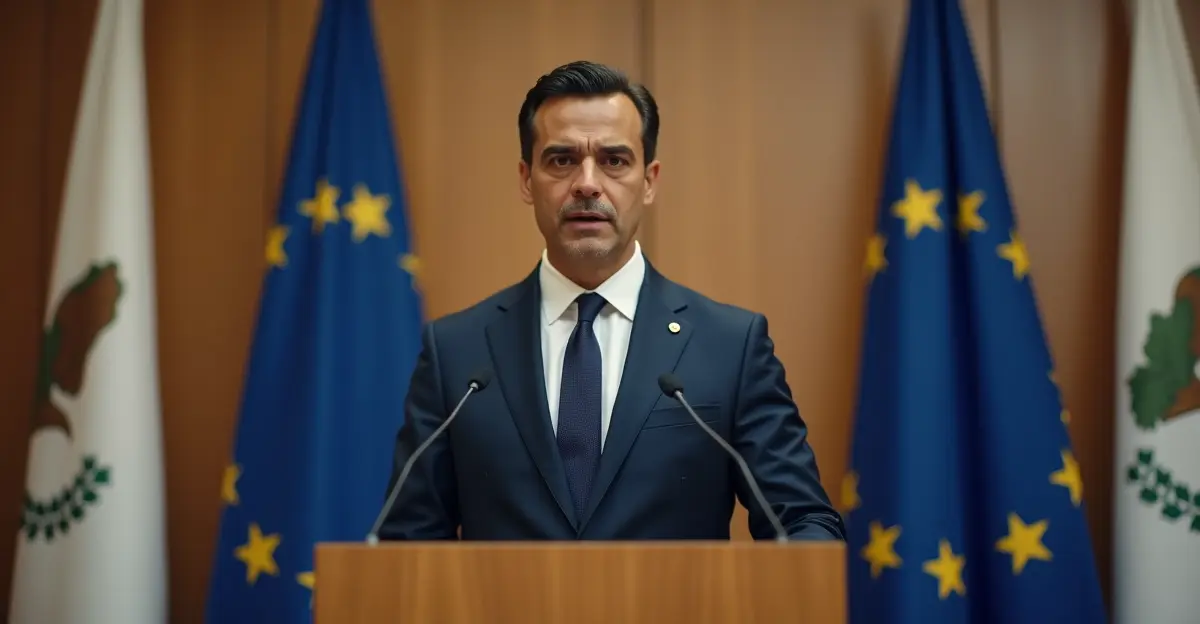
Among the options under consideration is the suspension of Spain from key or prestigious roles within the alliance. While a Spanish suspension would have limited operational impact on US military activities, the symbolic effect is intended to send a strong message. The official stated the goal is to 'reduce the sense of superiority among Europeans.' It remains unclear whether the US can legally expel a member state under the NATO treaty.
Reassessment of Falkland Islands Policy
Another option involves reevaluating US diplomatic support for European 'imperial possessions,' specifically the Falkland Islands. This would mark a significant shift in US foreign policy, potentially affecting relations with both the UK and Argentina.
US foreign policy shifts 2026Official Statements
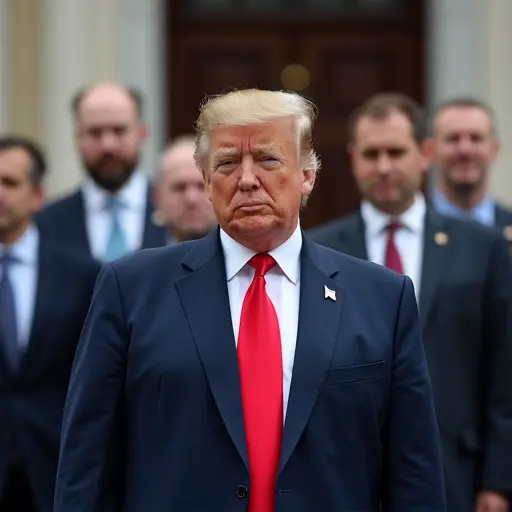
Pentagon spokesperson Kingsley Wilson told Reuters: 'As President Trump said, despite everything the United States has done for our NATO allies, they were not there for us.' She added that the Department of War will ensure the president has 'credible options to guarantee that our allies are no longer paper tigers, but actually take their responsibility.'
Impact and Implications
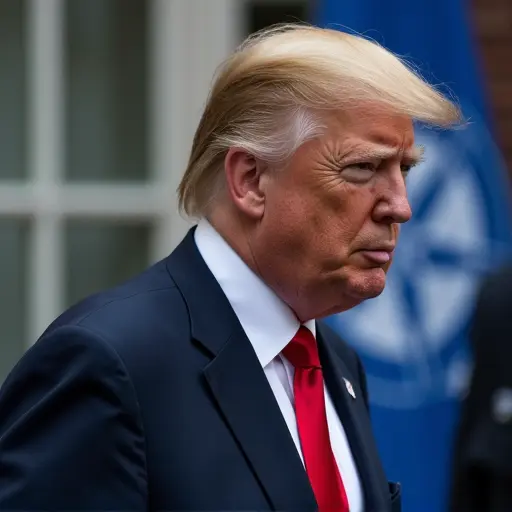
The internal memo signals a dramatic escalation in US-NATO tensions, which have been simmering since President Trump repeatedly threatened to withdraw from the alliance. The war in Iran has exacerbated divisions, with several European allies refusing to commit naval forces to the Strait of Hormuz. Analysts warn that unilateral sanctions against alliance members could undermine NATO's cohesion and credibility.
transatlantic relations crisis 2026FAQ
What is ABO in NATO context?
ABO stands for Access, Basing, and Overflight — rights that allow allied forces to use a member's airspace, bases, and territorial access for military operations. It is considered a fundamental principle of NATO cooperation.
Can the US expel a NATO member?
NATO's founding treaty does not include a mechanism for expelling a member state. Suspension from certain roles or functions may be possible through political consensus, but legal expulsion would likely require treaty amendment.
Why is Spain specifically targeted?
Spain has been one of the most vocal European opponents of the US military campaign in Iran, refusing overflight and basing rights. The symbolic impact of targeting Spain is intended to pressure other reluctant allies.
What are the Falkland Islands and why are they relevant?
The Falkland Islands are a British Overseas Territory in the South Atlantic, also claimed by Argentina. The US currently supports British sovereignty; reassessing that stance could be used as leverage against the UK, which has also been hesitant in supporting the Iran war.
How has President Trump reacted to allied reluctance?
President Trump has repeatedly threatened to withdraw from NATO and has publicly criticized allies for not contributing naval forces to the Strait of Hormuz operations. The internal memo reflects his administration's growing impatience.



Follow Discussion