


 Deutsch
 English
 Español
 Français
 Nederlands
 Português


 Share
Share




Pentagon Email Reveals Punitive Options Against Spain and UK
The United States is considering unprecedented punitive measures against NATO allies who have refused to support its military campaign against Iran, according to a leaked internal Pentagon email reported by Reuters. The options range from suspending Spain from the alliance to reviewing U.S. diplomatic backing for the United Kingdom's claim to the Falkland Islands, signaling the deepest crisis in NATO's 77-year history.
The anonymous Pentagon source told Reuters that an email circulating within the U.S. Department of Defense leadership outlines ways to "curb the arrogant behavior of the Europeans.">Washington is particularly incensed at Spain, which has denied U.S. forces access to its airspace and the jointly operated Rota and Morón military bases for any operations related to the Iran war. Spain's Defense Minister Margarita Robles called the conflict "profoundly illegal," while Prime Minister Pedro Sánchez described it as "reckless and unjust."
What Sanctions Is the US Considering?
The leaked email, which has not been officially confirmed by the Pentagon, reportedly includes several tiers of potential retaliation:
- Suspension of Spain from NATO: The most drastic option under consideration, though NATO's founding treaty has no mechanism for suspending or expelling a member state. Any such move would require consensus among all 32 member nations.
- Reassessment of the Falkland Islands: Washington is reportedly considering dropping its diplomatic support for the UK's sovereignty over the Falkland Islands, a British Overseas Territory claimed by Argentina. Argentina, led by Trump ally President Javier Milei, has long sought to reclaim the islands.
- Exclusion from senior NATO posts: A lighter option would involve blocking "difficult" countries from high-ranking positions within the alliance, serving as a symbolic punishment without affecting military readiness.
- Potential troop withdrawals: The source declined to confirm whether the U.S. is considering pulling American troops from allied nations deemed insufficiently cooperative.
The NATO crisis explained in full context reveals that the alliance's internal cohesion is under greater strain than at any point since its founding in 1949.
Why Are Spain and the UK Being Targeted?
Spain has been the most vocal European opponent of U.S. operations in Iran. In late March 2026, Madrid closed its airspace to U.S. aircraft involved in the conflict and barred the use of American bases on Spanish soil. Sánchez has called the war "illegal" and insisted Spain will not participate in what he terms "unjust military adventures."
The United Kingdom, while more cooperative, has also frustrated Washington. The UK allowed the use of its bases for defensive operations—such as intercepting Iranian missiles—but refused to support offensive strikes against Iran or participate in the naval blockade of the Strait of Hormuz. The Pentagon views logistical and airspace access as "the absolute minimum for NATO," according to the source.
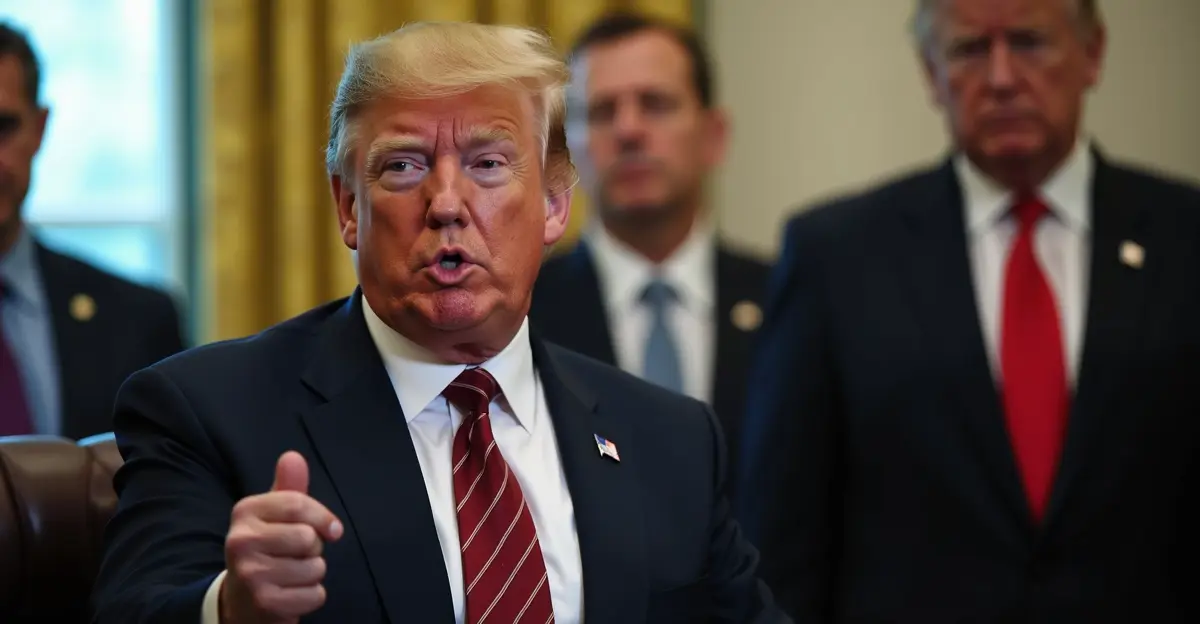
President Donald Trump has publicly derided NATO as a "paper tiger" and threatened to withdraw the U.S. from the alliance altogether. While the leaked email does not mention a full U.S. withdrawal, the mere discussion of sanctions against member states represents a dramatic escalation.
Can NATO Legally Suspend a Member?
Under the North Atlantic Treaty, there is no established procedure for suspending or expelling a member state. NATO operates by consensus, meaning all 32 members must agree on any major decision. The NATO Article 5 suspension debate has emerged as a key legal question, but legal experts note that the U.S. cannot unilaterally impose such sanctions under the treaty framework.
NATO Secretary-General Mark Rutte, who has held multiple crisis talks with Trump, faces the monumental task of bridging the divide. In his most recent conversation with the U.S. president, Trump was reportedly "very angry" about European reluctance to join the Iran campaign. Rutte has implicitly criticized Spain and France, urging respect for longstanding basing agreements, while also defending the European position that the war lacks international legitimacy.
Reactions From Madrid and London
Spanish Prime Minister Sánchez dismissed the leaked email as informal and unofficial. "My government bases itself on official positions of countries, not on their leaked emails," he told reporters. Sánchez insisted that Spain remains a "reliable member" of the alliance and emphasized that his country's stance is rooted in international law.
The UK government responded firmly to reports that Washington might review its position on the Falklands. A British government spokesman stated: "The UK's position on the Falkland Islands could not be clearer. Sovereignty rests with the UK, and the islanders' right to self-determination is paramount." The U.S. currently recognizes the de facto UK administration of the islands but does not hold the authority to designate sovereignty.
A Pentagon spokesperson declined to comment substantively on the leaked deliberations but stated that the department aims to "offer the president credible options to ensure our allies are not paper tigers, but do what they must do."
Impact on NATO's Future
NATO correspondent Kysia Hekster described the situation as "exactly the scenario NATO feared behind the scenes—that the Americans would want to punish individual countries for not cooperating enough with the Iran war." She warned that such actions would lead to further division within the alliance, undermining its deterrent effect.
"According to the NATO treaty, the U.S. cannot impose these kinds of sanctions at all—the alliance only decides things when all 32 members agree. But the American president is not so impressed by rules, as we now know. So if he really wants to push this through, it's up to Secretary-General Rutte to talk him out of it. This is seen as the biggest crisis in the history of the alliance."
The European NATO defense spending debate has been fueled by Trump's longstanding complaints that European allies fail to meet the 2% GDP defense spending target. However, the current rift goes far beyond budget disputes, touching on the fundamental question of whether NATO members are obligated to support U.S.-led offensive operations outside the alliance's traditional defensive mandate.
Frequently Asked Questions
Can the US suspend Spain from NATO?
No, the U.S. cannot unilaterally suspend Spain. NATO operates by consensus, and there is no legal mechanism in the North Atlantic Treaty for suspending or expelling a member. Any such move would require unanimous agreement from all 32 member states.
Why is the US threatening to review the Falkland Islands?
The U.S. is reportedly considering dropping diplomatic support for the UK's sovereignty over the Falklands as a punitive measure for Britain's refusal to support offensive operations in the Iran war. This would align Washington with Argentina's claim to the islands.
What did Spain do to anger the US?
Spain closed its airspace and denied use of its military bases (Rota and Morón) to U.S. forces involved in the Iran war. Prime Minister Sánchez called the conflict "illegal" and refused to participate in what he termed an unjust war.
Has the US threatened to leave NATO?
President Trump has repeatedly threatened to withdraw the U.S. from NATO, but the leaked Pentagon email does not mention a full withdrawal. The current discussion focuses on punishing individual member states rather than leaving the alliance.
What is the Strait of Hormuz blockade?
The Strait of Hormuz is a strategic waterway through which about 20% of the world's oil passes. The U.S. has sought allied support for a naval blockade to pressure Iran, but several European nations have refused to participate, arguing it would escalate the conflict.


Follow Discussion