


 Deutsch
 English
 Español
 Français
 Nederlands
 Português


 Share
Share




The 2026 Geopolitical Pivot: How Multipolar Competition is Redefining Global Trade and Supply Chains
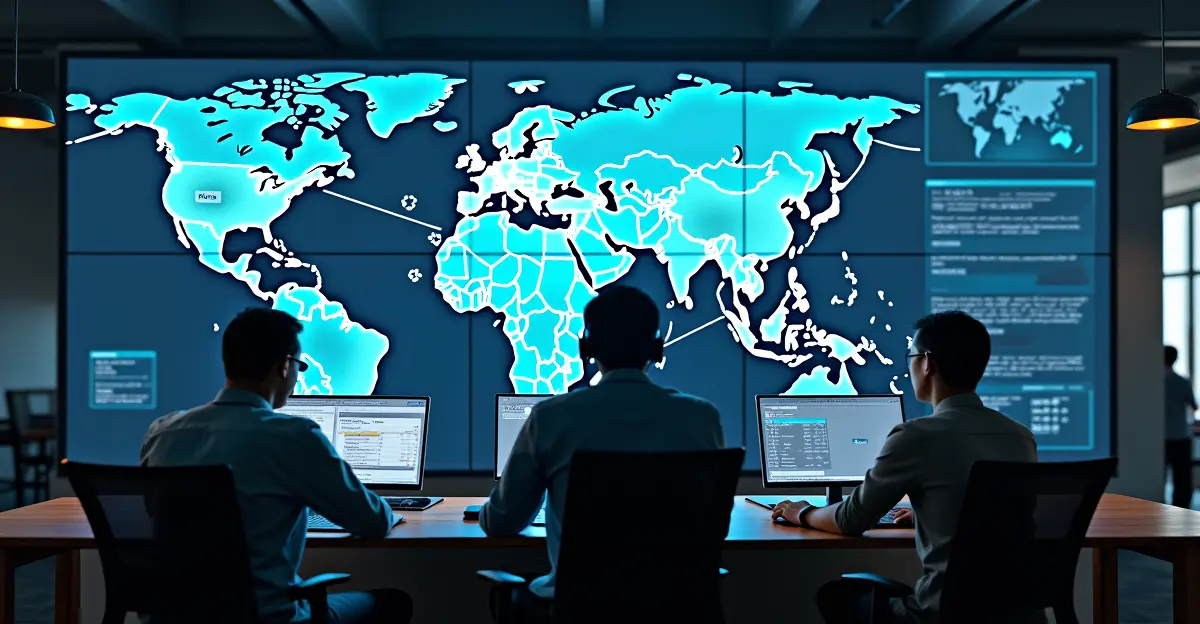
As 2026 unfolds, the global business landscape is undergoing a fundamental transformation, with accelerating geopolitical multipolarity reshaping how companies operate worldwide. Recent analyses from BCG and EY-Parthenon reveal that 85% of global merchandise trade now occurs outside US involvement, marking a dramatic shift in international commerce patterns. This article examines how businesses are responding to this new reality, with 75% of CEOs localizing production within sales countries and over half reorganizing supply chains for regional blocs, creating unprecedented challenges and opportunities in the global trade architecture.
What is Geopolitical Multipolarity?
Geopolitical multipolarity refers to a world order where multiple centers of power—rather than a single dominant nation—compete for influence across economic, political, and military domains. In 2026, this dynamic has accelerated beyond traditional US-China bipolar competition to include Europe's evolving role and the rising influence of Global South nations like India, Brazil, and Indonesia. According to BCG's analysis, this shift represents a critical inflection point where traditional business paradigms are giving way to new multipolar dynamics, fluid alliances, and fundamentally altered trade patterns.
The Six Emerging Arenas of Competition
BCG's research identifies six key battlegrounds where geopolitical competition is intensifying:
1. Global Markets Access
With 85% of global merchandise trade occurring outside US involvement, companies face fragmented market access rules. The US-China trade relationship has declined by 30% following 2025 tariffs, forcing businesses to navigate complex bilateral agreements rather than relying on multilateral frameworks.
2. Supply Chain Security
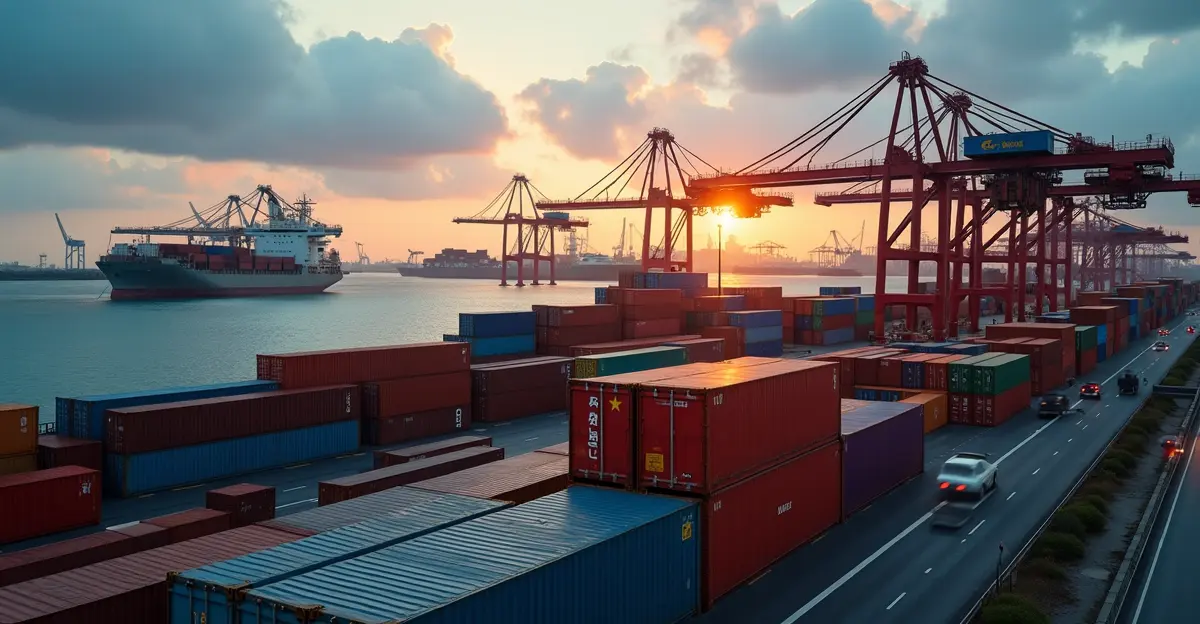
Supply chain resilience has become the top strategic priority for 68% of trade professionals. Companies are moving beyond simple nearshoring to comprehensive regional bloc strategies, with 65% changing sourcing patterns and 57% renegotiating supplier contracts to address geopolitical vulnerabilities.
3. Industrial Capabilities
Nations are competing to build domestic manufacturing capacity in strategic sectors. China continues to strengthen its industrial base while deepening trade relations with Global South nations, creating new production networks that bypass traditional Western hubs.
4. Technological Development
The race for technological supremacy has accelerated, with AI infrastructure demand accounting for one-third of global trade expansion in 2025. Companies are rapidly adopting new technologies, with 40% exploring AI or blockchain solutions compared to just 6% in 2024.
5. Human Capabilities
Access to skilled talent has become a geopolitical battleground, with nations implementing policies to attract and retain critical expertise in emerging technologies and advanced manufacturing.
6. Regulatory Influence
Countries are competing to set global standards and regulations, creating compliance challenges for multinational corporations operating across different regulatory regimes.
Business Responses to the New Geopolitical Reality
EY-Parthenon's 2026 Geostrategic Outlook reveals that businesses are implementing dramatic operational changes:
- 75% of CEOs have localized some production within their sales countries
- Over 50% are reorganizing supply chains for regional blocs
- 65% have changed sourcing patterns in response to geopolitical tensions
- 57% have renegotiated supplier contracts
- 51% have implemented nearshoring strategies
These changes reflect a fundamental shift from global efficiency optimization to regional resilience building. As noted in the EY-Parthenon analysis, companies that effectively incorporate geopolitical analysis into decision-making improve resilience and gain competitive advantage in this volatile environment.
Regional Dynamics and Strategic Implications
US-China Rivalry Intensifies
The US-China relationship remains the defining geopolitical competition, but its nature is evolving. Following 2025 tariff hikes, US-China trade declined by 30%, prompting supply chain rerouting with ASEAN economies benefiting significantly from trade reconfiguration. In February 2026, the US Supreme Court invalidated several 2025 tariffs, leading to new measures under alternative authorities and continued uncertainty for businesses.
Europe's Internal Divisions and External Outreach
Europe faces significant internal divisions but is expanding trade deals with Global South nations. The European Union and Mercosur are establishing one of the world's largest free-trade zones, representing a major economic partnership between two major trading blocs. However, as ORF research notes, the EU faces challenges including bureaucratic shortcomings, member state disagreements, and fragmented approaches that delay responses to geopolitical shifts.
Global South's Rising Influence
Global South nations are pursuing independent growth paths and gaining unprecedented influence. New South-South trade corridors now account for 57% of developing-country exports, fundamentally altering global trade patterns. Countries like India, Brazil, and Indonesia are leveraging their positions as global swing states to maximize national interests through transactional foreign policies.
Strategic Recommendations for Businesses
To navigate this complex landscape, companies must adopt several key strategies:
- Develop Geopolitical Intelligence Capabilities: Build dedicated teams to monitor and analyze geopolitical developments affecting operations.
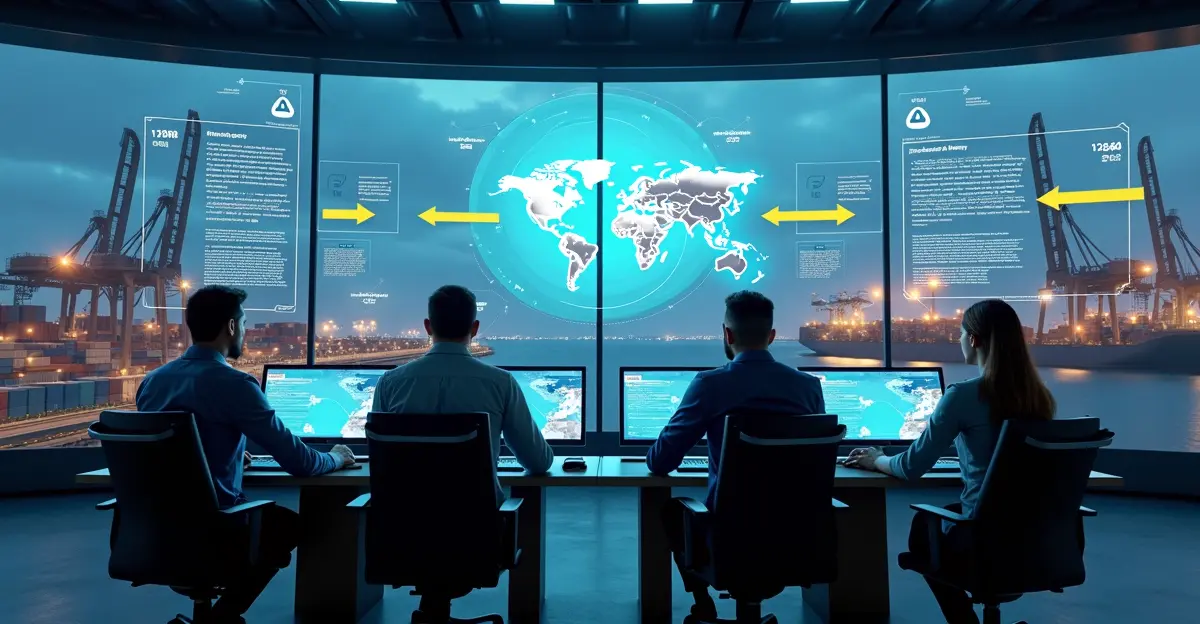
- Implement Regional Supply Chain Strategies: Move beyond simple nearshoring to comprehensive regional bloc approaches that balance efficiency with resilience.
- Diversify Market Access: Develop strategies to access markets through multiple pathways, reducing dependence on any single country or region.
- Invest in Technology Adoption: Accelerate implementation of AI, blockchain, and other technologies to enhance supply chain visibility and resilience.
- Build Flexible Organizational Structures: Create agile decision-making processes that can respond rapidly to changing geopolitical conditions.
Future Outlook and Critical Considerations
As KPMG's 2026 Global Trade Outlook describes, the current environment represents a "Herculean effort" against multiple disruptions, using the Hydra metaphor where solving one trade problem leads to new challenges emerging. Global trade grew 4.2% year-on-year in 2025, with Asia remaining the main growth driver, but forecasts predict moderate trade growth in 2026 amid continued protectionism and geopolitical influences.
The expiration of the US-China trade deal is likely to bring additional volatility, requiring businesses to maintain strategic flexibility. Companies must balance the pursuit of efficiency with the need for resilience, recognizing that the geopolitical landscape of 2026 demands fundamentally different approaches than those that succeeded in previous decades.
Frequently Asked Questions (FAQ)
What percentage of global trade now occurs outside US involvement?
According to recent analyses, 85% of global merchandise trade now occurs outside US involvement, marking a significant shift in global trade patterns.
How are businesses responding to geopolitical multipolarity?
75% of CEOs have localized some production within their sales countries, and over half are reorganizing supply chains for regional blocs to address geopolitical risks.
What are the six emerging arenas of geopolitical competition?
The six arenas are: global markets access, supply chain security, industrial capabilities, technological development, human capabilities, and regulatory influence.
How has US-China trade changed recently?
US-China trade declined by 30% following 2025 tariffs, prompting significant supply chain rerouting with ASEAN economies benefiting from trade reconfiguration.
What role are Global South nations playing in the new multipolar world?
Global South nations are gaining unprecedented influence, with new South-South trade corridors accounting for 57% of developing-country exports and countries like India and Brazil leveraging their positions as global swing states.

Follow Discussion