Nederlands
 English
 Deutsch
 Français
 Español
 Português





Major Expansion of Maritime Security Patrols Announced
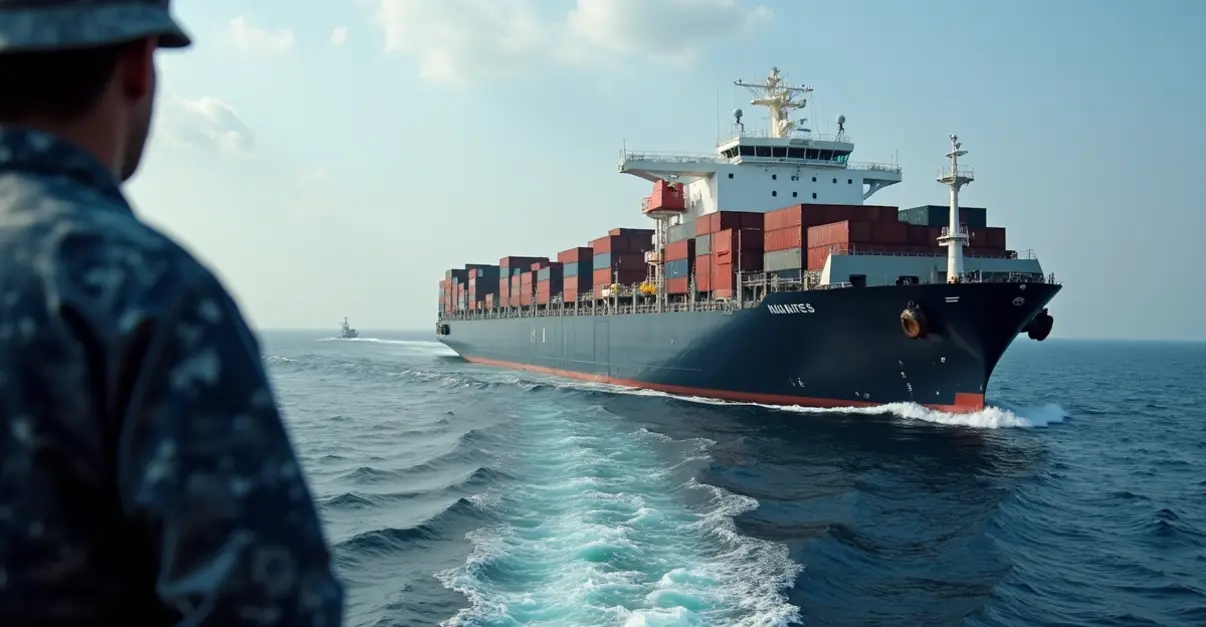
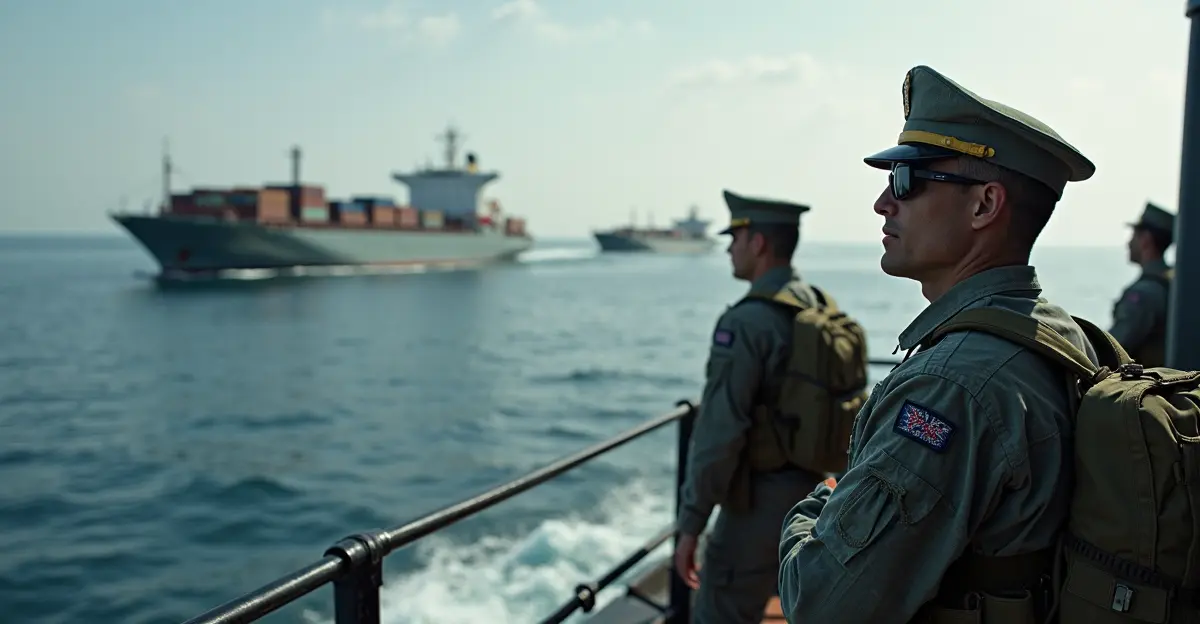
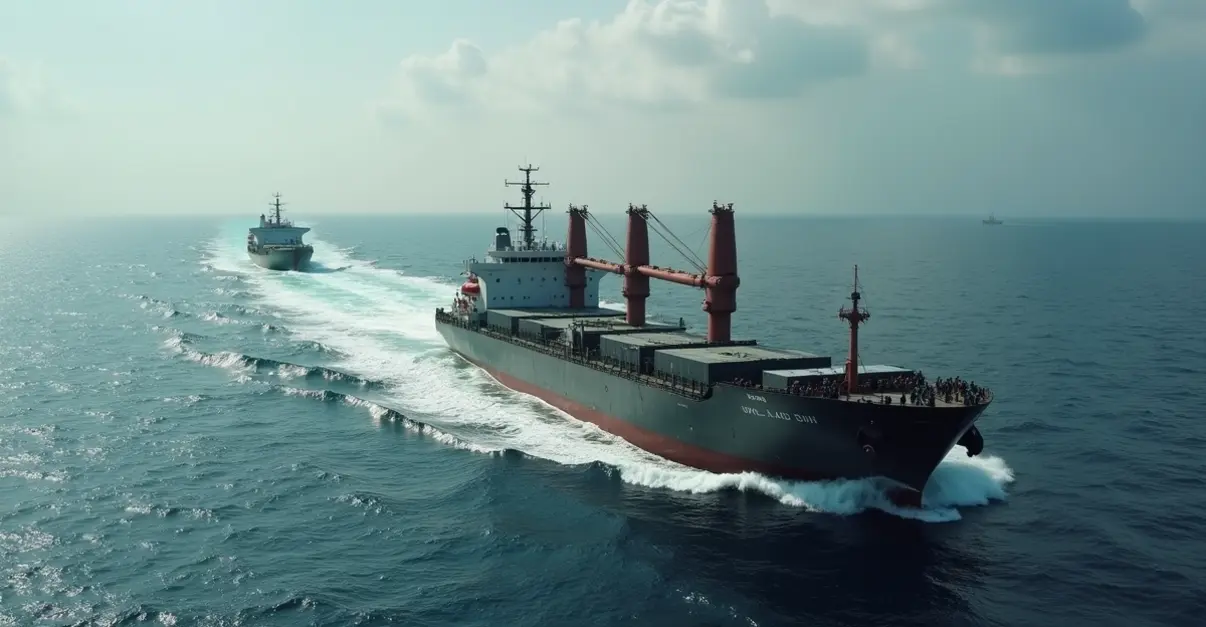
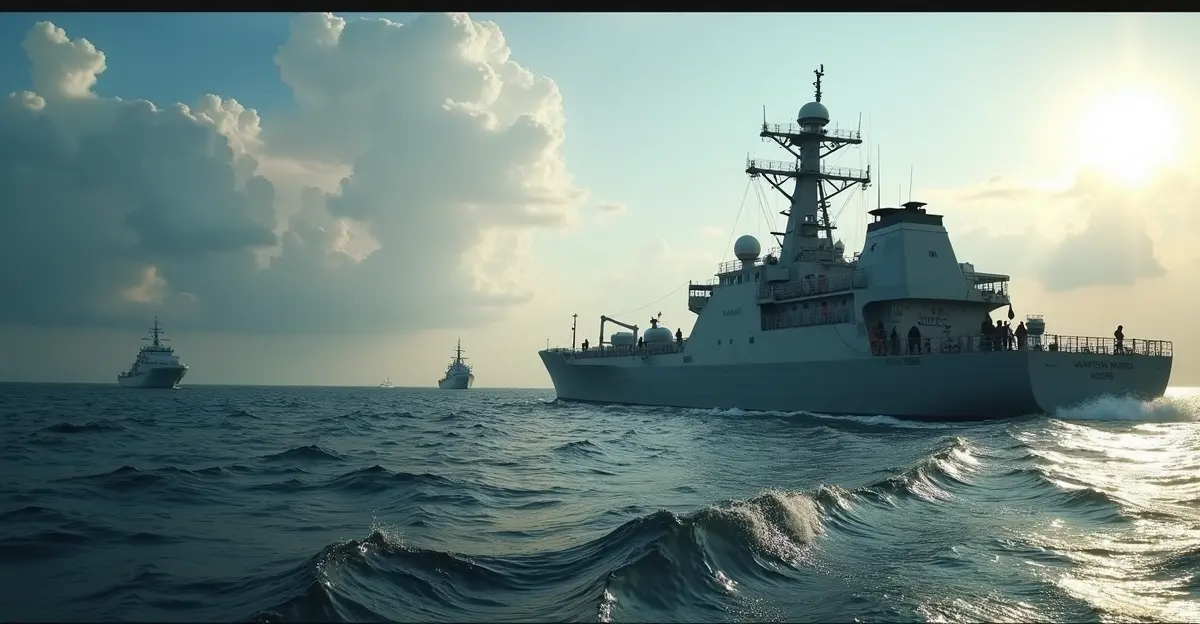
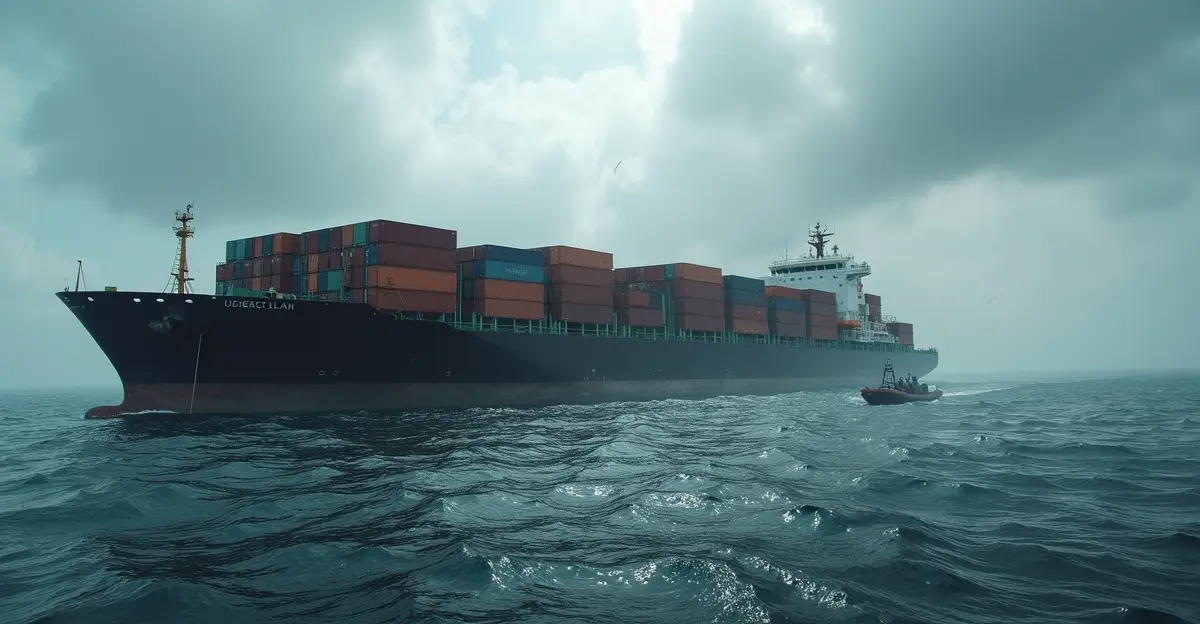
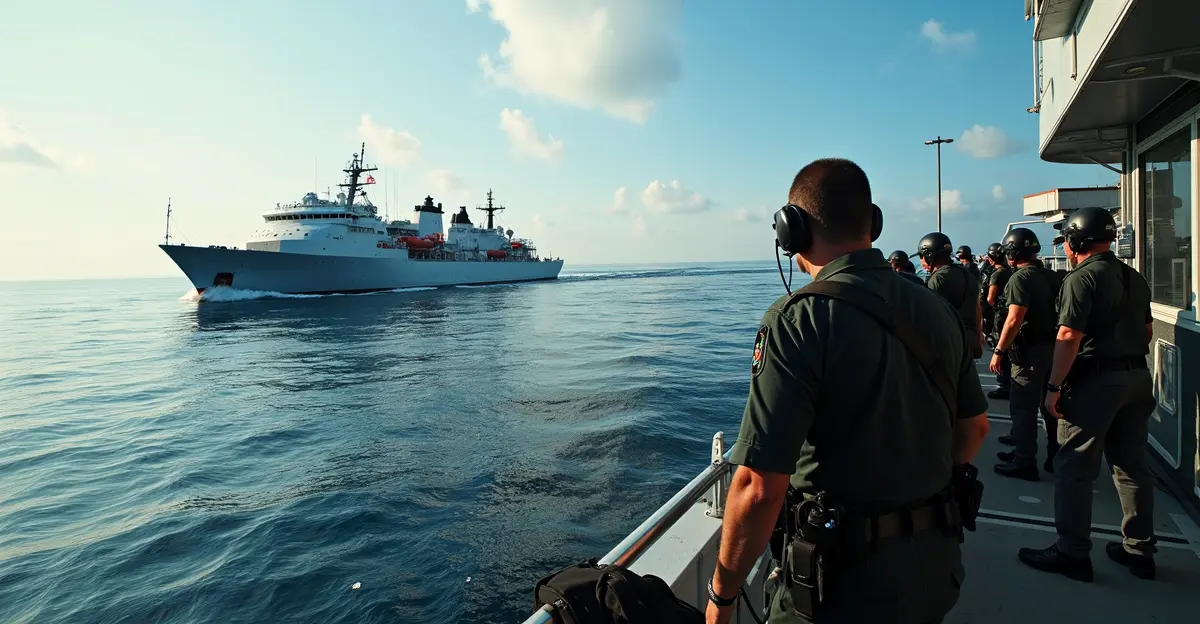
In a significant move to address growing maritime threats, multiple nations and international organizations have announced major expansions of their maritime security patrol operations. The coordinated announcements come amid rising tensions in strategic waterways like the South China Sea, increased threats to undersea infrastructure, and growing concerns about illegal maritime activities worldwide.
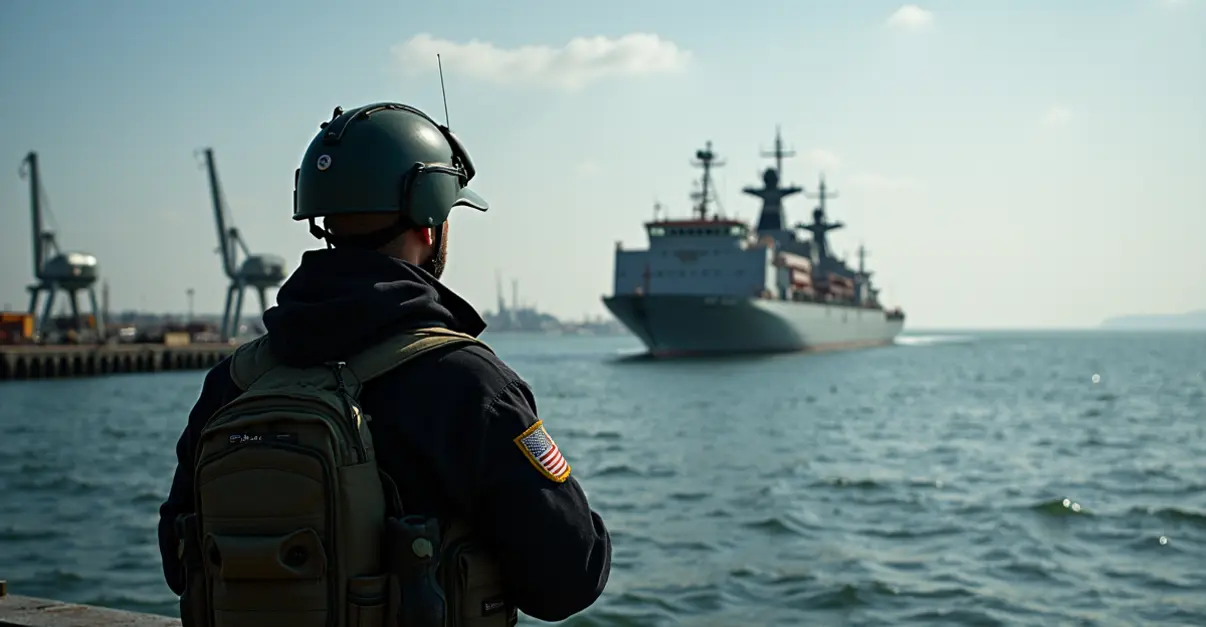
The United States has taken a leading role with President Biden's April 2025 executive order aimed at restoring America's maritime dominance. 'We must rebuild our maritime industrial base and strengthen our presence in critical waterways,' said a senior administration official speaking on background. The order addresses decades of decline in commercial shipbuilding capacity, noting that the U.S. currently constructs less than 1% of global commercial ships while China produces about half.
Strategic Funding and International Cooperation
In September 2025, the U.S. State Department announced $55 million in new funding to strengthen maritime law enforcement in the Philippines and other Indo-Pacific countries. This assistance package will support nations including Vietnam, Indonesia, Malaysia, Pacific Island states, and South Asian maritime nations in building law enforcement capacity to combat illicit activities and enforce sovereign rights.
'This funding represents our commitment to maintaining freedom of navigation and countering illegal maritime activities in strategic waters where trillions of dollars in global trade flow annually,' stated Secretary of State Marco Rubio during the announcement. The funding is in addition to $1.5 billion in maritime security assistance the U.S. has provided across the Indo-Pacific since 2017.
European Union's Comprehensive Strategy
Across the Atlantic, the European Union has adopted a new policy and action plan to enhance maritime security in response to evolving threats. The strategy addresses both traditional illicit activities like piracy, smuggling, and terrorism, as well as new challenges including climate change impacts, cyber threats, and hybrid attacks.
Recent events such as the Nord Stream pipeline sabotage and Russian spy ships near European wind farms have added urgency to these efforts. Key measures include organizing EU-level naval exercises, developing coastguard operations, reinforcing port security inspections, and enhancing coastal patrol surveillance.
NATO's Combat-Oriented Approach
NATO has unveiled its new Alliance Maritime Strategy, replacing the 2011 version with a more urgent, combat-oriented approach for today's great-power competition. The strategy frames maritime power as essential for NATO's ability to 'fight tonight' and 'fight tomorrow,' focusing on four pillars: readiness, advanced technology, protection of sea lines of communication, and conflict-winning capability.
'We're shifting from cooperative reassurance to strategic confrontation with peer adversaries,' explained a NATO official involved in the strategy development. The strategy identifies Russia as the most direct threat, with China as a systemic challenger, while also addressing terrorism, climate change, and emerging technologies.
Implications for Global Trade and Security
The expansion of maritime security patrols has significant implications for global trade, insurance markets, and coastal communities. Enhanced patrols in critical chokepoints like the Strait of Hormuz, Malacca Strait, and South China Sea could reduce piracy and illegal fishing but may also increase tensions between competing naval powers.
Insurance industry analysts note that increased naval presence could lower premiums for shipping companies operating in high-risk areas. 'We're seeing a potential 15-20% reduction in war risk premiums for vessels operating in patrolled areas,' said maritime insurance expert Dr. Sarah Chen from Lloyd's of London.
For coastal communities, particularly in developing nations, the expanded patrols offer both opportunities and challenges. Increased surveillance can help combat illegal fishing that devastates local fisheries, but may also restrict traditional fishing grounds and create dependency on foreign naval assistance.
Technological Integration and Future Outlook
The new patrol expansions incorporate advanced technologies including unmanned surface vessels, satellite surveillance systems, and artificial intelligence for threat detection. NATO's 'Digital Ocean Vision' aims to create real-time situational awareness across alliance waters, while the EU is enhancing its maritime domain awareness through improved information sharing systems.
Looking ahead, experts predict continued expansion of maritime security operations as climate change opens new Arctic shipping routes and technological advances create new vulnerabilities in undersea infrastructure. The coordinated nature of these recent announcements suggests a growing recognition that maritime security requires international cooperation rather than unilateral action.
The Navy League of the United States has released its 2025-2026 Maritime Policy Statement, advocating for at least $40 billion annually for Navy shipbuilding and accelerated funding for the Shipyard Infrastructure Optimization Plan. These recommendations highlight the long-term commitment needed to sustain expanded maritime security operations.
As global trade continues to depend on secure sea lanes, and as geopolitical tensions rise in key maritime regions, the expansion of security patrols represents a critical response to evolving threats. The success of these initiatives will depend on sustained funding, international cooperation, and adaptation to emerging challenges in the maritime domain.