Deutsch
 English
 Español
 Français
 Nederlands
 Português






International Coalition Strengthens Maritime Security with Joint Patrols
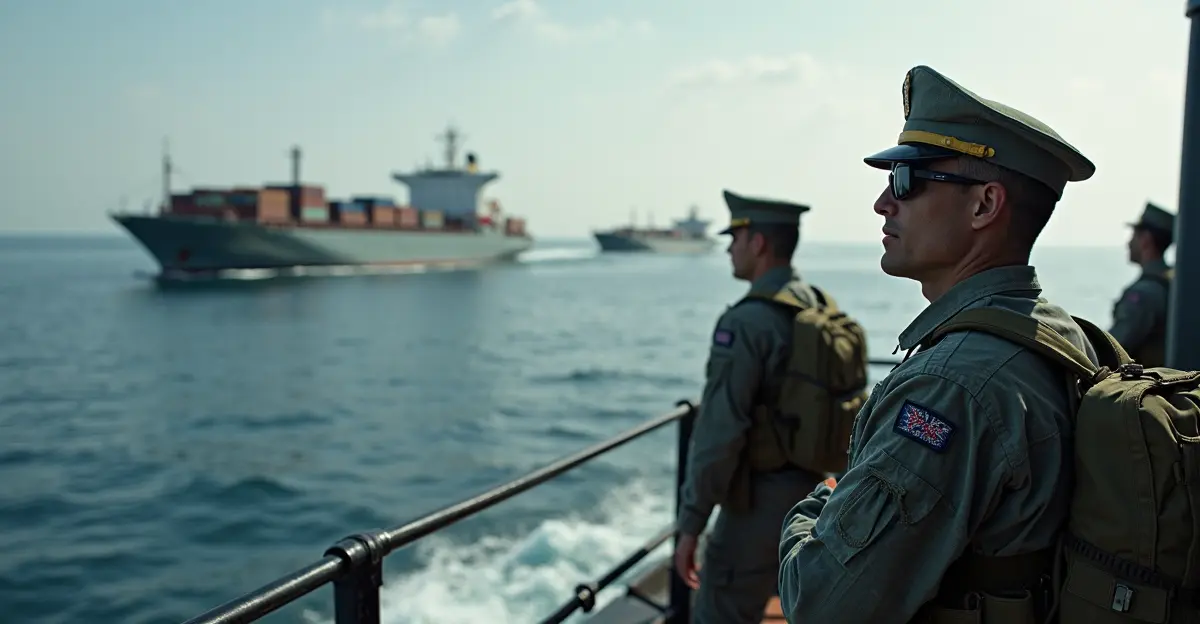
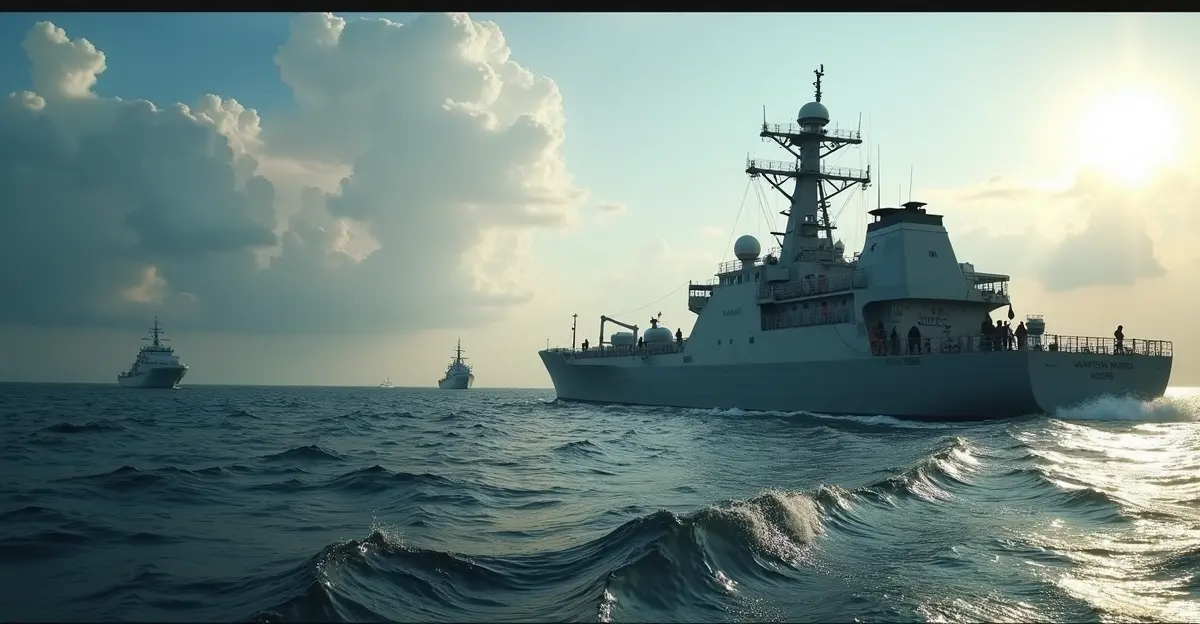
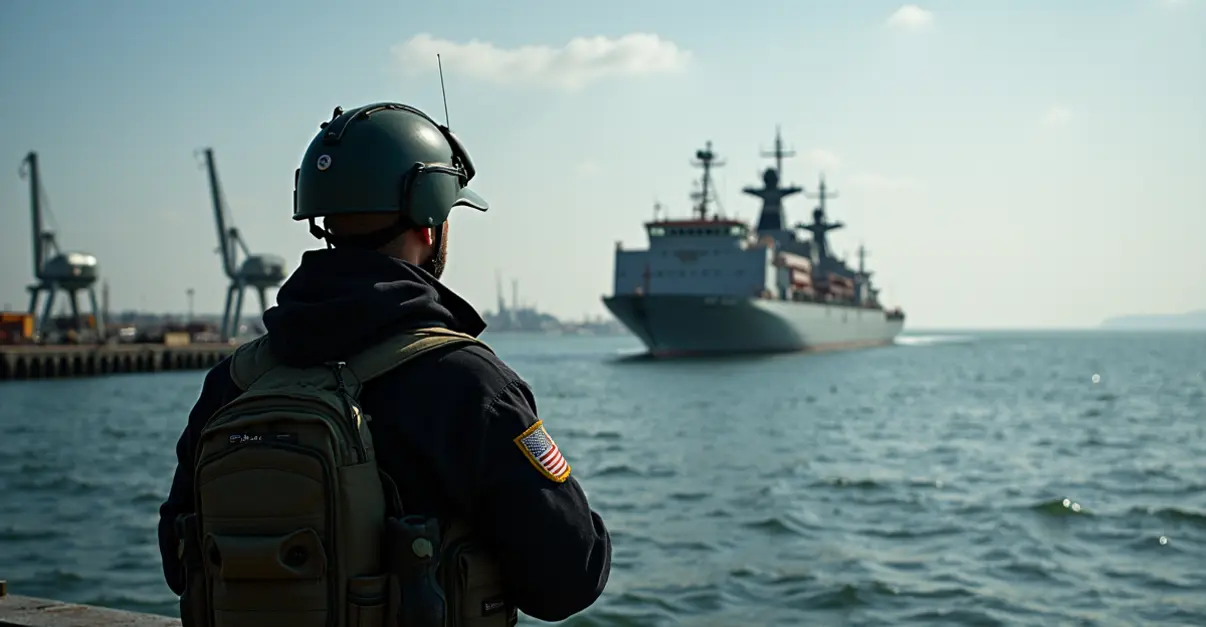
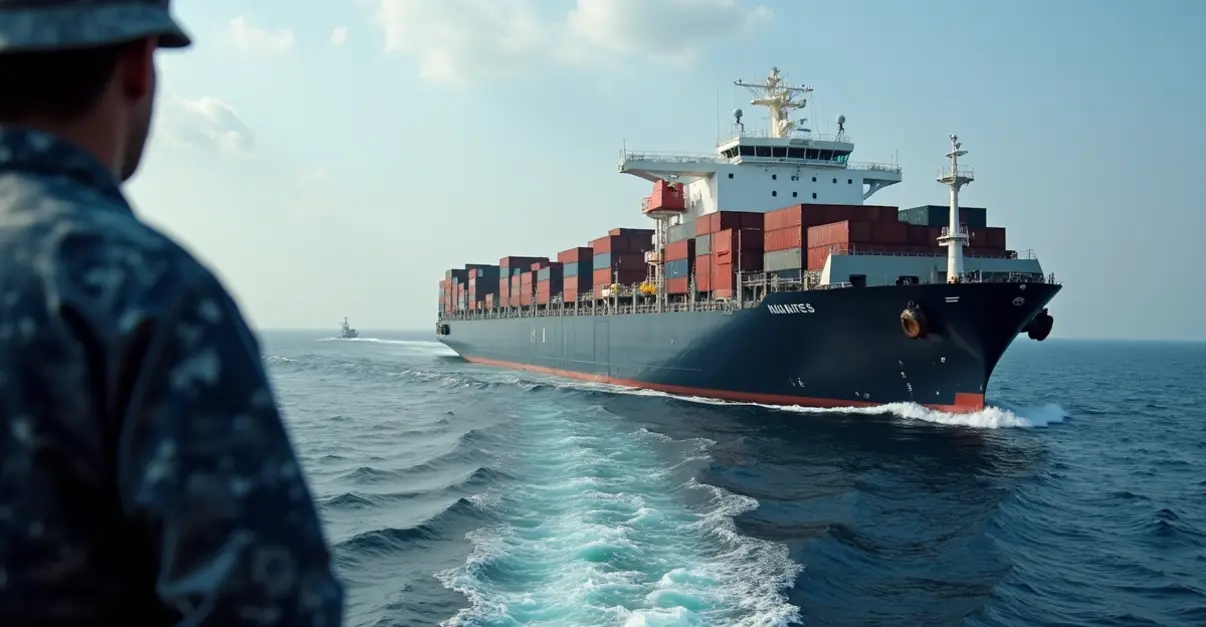
In a significant development for global maritime security, a multinational naval coalition has launched enhanced joint patrol operations aimed at protecting vital shipping lanes and providing merchant vessels with comprehensive guidance and risk assessment tools. The initiative, which brings together naval forces from multiple nations, represents a coordinated response to growing maritime threats including piracy, smuggling, and geopolitical tensions in key waterways.
Comprehensive Security Framework
The coalition's operations are built around a three-pronged approach: joint naval deployments, enhanced merchant vessel guidance, and sophisticated risk assessment protocols. According to maritime security experts, this integrated strategy marks a departure from previous fragmented approaches to maritime security. 'What we're seeing is a paradigm shift in how nations collaborate to secure global trade routes,' says maritime security analyst Dr. James Peterson. 'This isn't just about military presence—it's about creating a comprehensive security ecosystem that supports commercial shipping from departure to arrival.'
The operations leverage lessons learned from recent exercises like Large Scale Exercise 2025, which demonstrated unprecedented levels of global naval integration. That exercise, involving participants from six U.S. Navy and Marine Corps component commands and seven numbered fleets across 22 time zones, validated the Global Maritime Response Plan and tested command and control capabilities in contested environments.
Enhanced Merchant Guidance and Risk Assessment
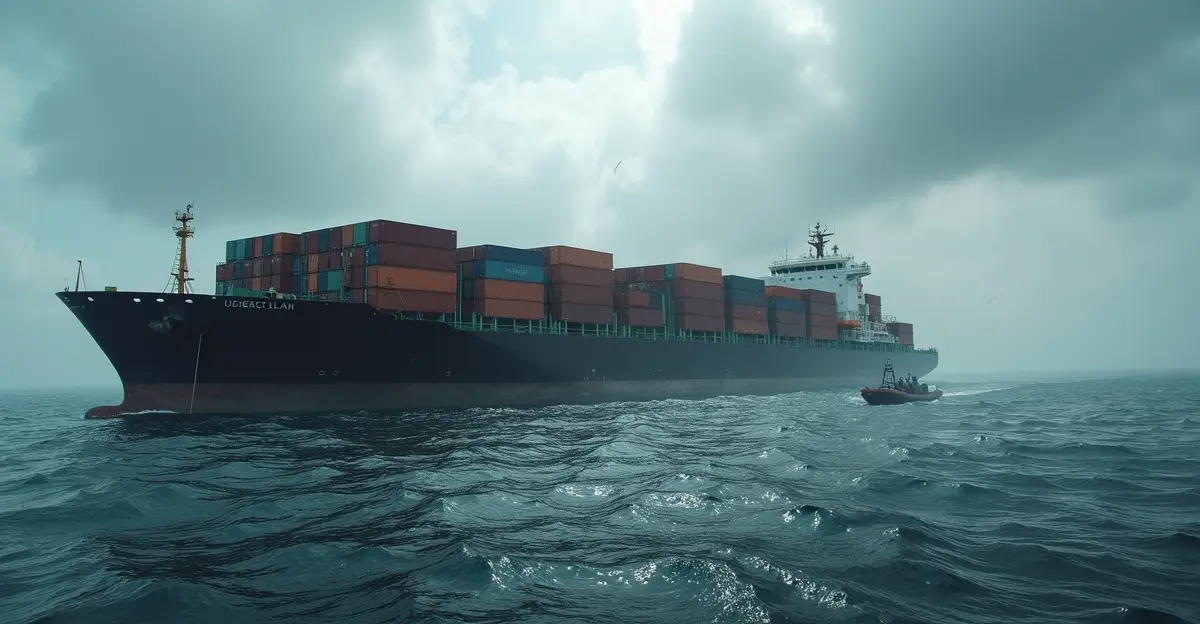
A key component of the coalition's strategy is the implementation of updated Best Management Practices for Maritime Security (BMP MS) 2025. This comprehensive guide, developed by major shipping associations including BIMCO, CLIA, IMCA, ICS, INTERCARGO, INTERTANKO, and OCIMF, provides practical security protocols for commercial vessels operating in high-risk areas.
The guidance is complemented by the Maritime Industry Security Threat Overview (MISTO), which offers geographic-specific threat information on piracy, armed robbery, terrorism, and armed conflicts in regions including the Niger Delta, Somalia, Straits of Malacca, Yemen, and Ukraine. 'These documents form the cornerstone of our security risk management framework,' explains shipping industry representative Maria Chen. 'They're designed to work alongside existing guidance from the International Maritime Organisation, Flag States, and P&I Clubs to create a layered defense system.'
Addressing Modern Maritime Challenges
The coalition's operations come at a critical time for global maritime security. According to a recent GAO report (GAO-25-108525), criminal organizations are increasingly using maritime routes for smuggling despite heightened focus on land borders. The report notes that provisional data shows about 80,000 drug overdose deaths in the 12-month period ending December 2024, highlighting the urgency of enhanced maritime security measures.
The 2025 National Security Strategy has also emphasized maritime priorities, calling for a more distributed form of sea power that balances deterring China with renewed emphasis on securing Western Hemisphere sea lanes and choke points. The strategy recognizes that maritime trade contributes $2.9 trillion to U.S. GDP, underscoring the economic importance of secure shipping routes.
Operational Implementation and Future Outlook
The coalition's patrol operations incorporate advanced technologies including unmanned systems and drones to create cost-effective naval presence. These systems work alongside traditional naval assets to monitor vast ocean areas and respond rapidly to security incidents. The operations also emphasize integrated deterrence, advanced warfighting concepts, and strengthened coalition interoperability.
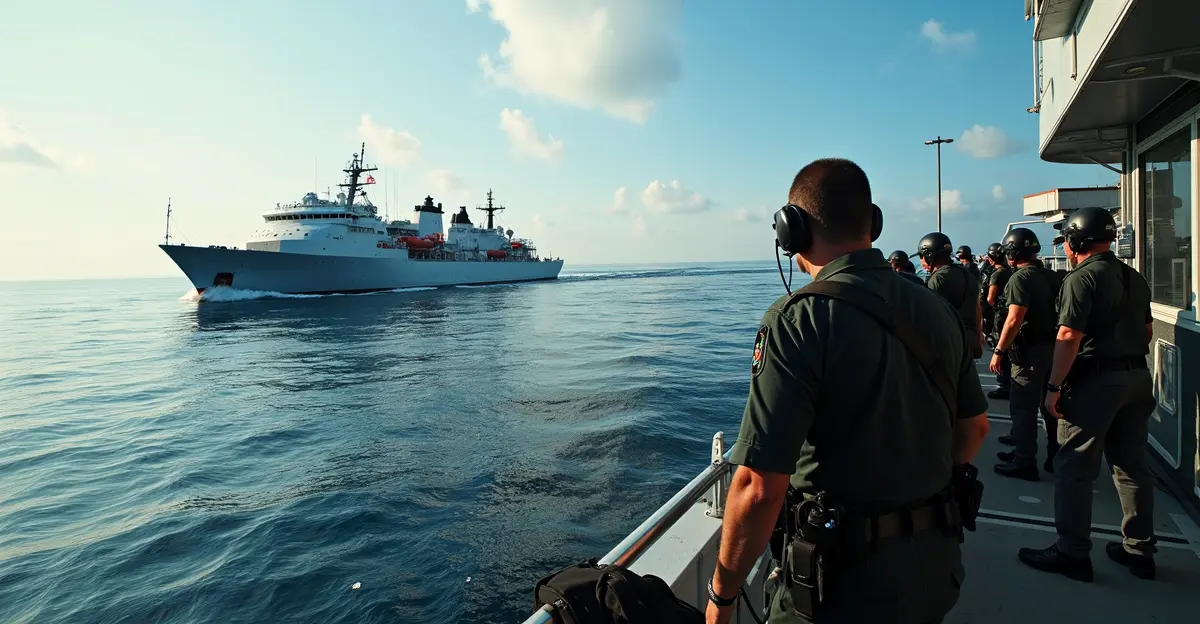
Visit, board, search, and seizure (VBSS) operations remain a critical component of maritime security operations, allowing naval forces to inspect vessels suspected of illegal activities. These actions are conducted in accordance with international law and maritime conventions, with particular focus on combating piracy, drug trafficking, and human smuggling.
Looking ahead, the coalition plans to expand its operations to address emerging threats including cyber attacks on maritime infrastructure and environmental security challenges. 'We're building a security framework that's adaptable to tomorrow's challenges while addressing today's immediate threats,' says coalition spokesperson Captain Robert Miller. 'This isn't a static system—it's designed to evolve as the threat landscape changes.'
The success of these operations will depend on continued international cooperation, adequate funding for maritime security initiatives, and ongoing collaboration between naval forces and the commercial shipping industry. As global trade continues to expand, the importance of secure maritime routes becomes increasingly critical to economic stability and national security worldwide.