


 Deutsch
 English
 Español
 Français
 Nederlands
 Português


 Share
Share




Trump's Renewed Push for Greenland's Mineral Wealth
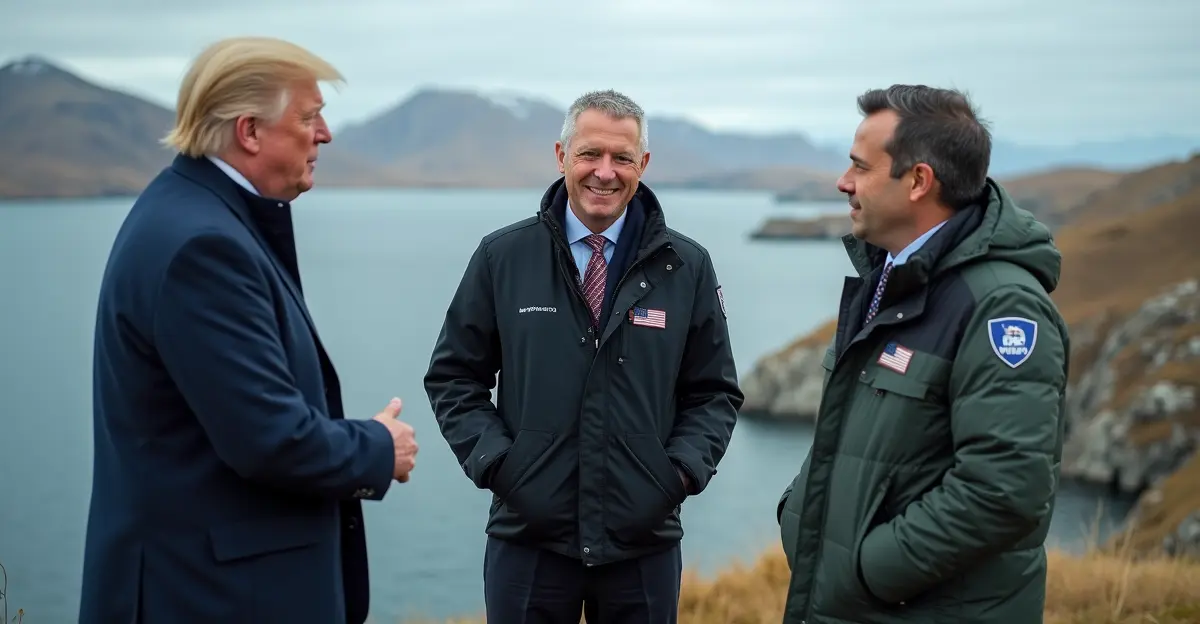
President Donald Trump has reignited American interest in Greenland's vast mineral resources, announcing after a meeting with NATO Secretary General Mark Rutte in Davos that the U.S. wants to be involved in mining the Arctic island's strategic deposits. However, American mining companies remain hesitant about the enormous challenges involved in extracting Greenland's resources.
The Arctic Mining Challenge
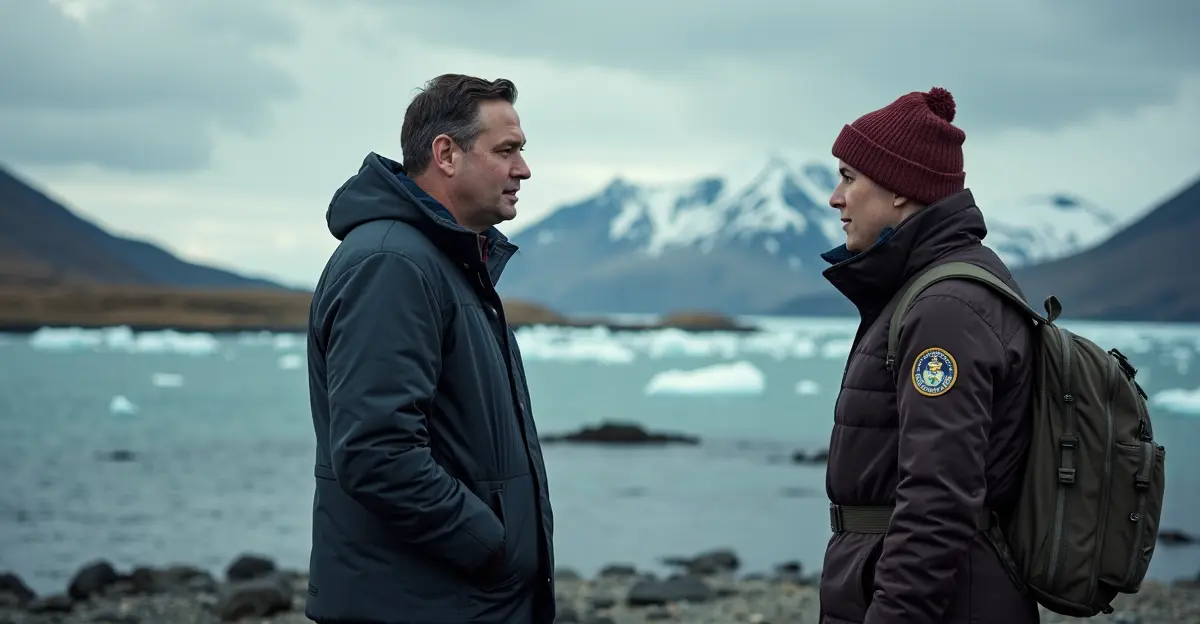
At Xploration's facility in Nuuk, Greenland's capital, containers sit stacked in deep snow, with expansion underway despite the harsh conditions. Manager Taatsi Olsen explains the reality of Arctic mining: 'The mining season here is short due to the cold - just three to four months. We have to store everything in winter to prevent rust.' The company specializes in facilitating geological surveys and mining projects, but Greenland's remote locations, lack of infrastructure, and transportation difficulties make operations exceptionally complex.
Greenland contains what experts call a 'treasure trove' of valuable minerals including gold, cobalt, iron, vanadium, nickel, and niobium - materials essential for advanced magnets in wind turbines and electric vehicles, as well as defense industry applications. According to CSIS analysis, Greenland ranks eighth globally with 1.5 million tons of rare earth reserves, including two of the world's largest deposits.
Why American Investors Are Hesitant
Despite the mineral wealth, Greenland has only two active mines, and even those are barely productive. Danish geologist Per Kalvig notes: 'The gold mine has produced just one gold bar so far. And the anorthosite mine hasn't developed its market yet.' Mining requires long-term investments of 10-15 years for exploration alone, with no revenue during this period.
American companies view Greenland as particularly challenging due to its extreme climate, minimal infrastructure, and strict environmental regulations. However, Kalvig argues this perception is mistaken: 'Other Arctic regions already have active mines in Russia, Alaska, Canada, and Northern Norway with similar or greater challenges.' He suggests American hesitation stems partly from unfamiliarity with Greenland and its people.
Geopolitical Stakes and Strategic Importance
Trump's interest isn't purely economic. Greenland holds strategic military importance, positioned at the GIUK Gap between Greenland, Iceland, and the UK - a vital chokepoint for monitoring Russian and Chinese naval movements. The U.S. operates Thule Air Base there with missile early warning systems and Space Force operations.
As Fortune reports, developing Greenland's mineral industry would require 'billions upon billions upon billions of dollars' and take 10-15 years before yielding returns. The obstacles include mining only six months per year, lack of roads and ports, insufficient energy production, and environmental concerns.
Local Perspectives and Future Prospects
Greenland's manager Taatsi Olsen welcomes potential American investment but remains cautious: 'We welcome American mining companies. But they must respect our country and our rules.' This sentiment reflects broader Greenlandic concerns about foreign exploitation of their resources.
Kalvig suggests Greenland could expand its mining sector by attracting processing facilities, such as aluminum smelters powered by Greenland's hydroelectric plants, which provide stable, cheap energy. He also mentions data centers as potential developments, emphasizing that such decisions must be made by Greenland's government.
The framework agreement Trump mentioned with NATO appears to represent a diplomatic approach rather than the aggressive acquisition rhetoric of previous years. However, with only 6% of Greenlanders favoring joining the U.S., according to CNN analysis, any successful partnership will require careful negotiation that respects Greenlandic sovereignty and environmental priorities.

Follow Discussion