Deutsch
 English
 Español
 Français
 Nederlands
 Português

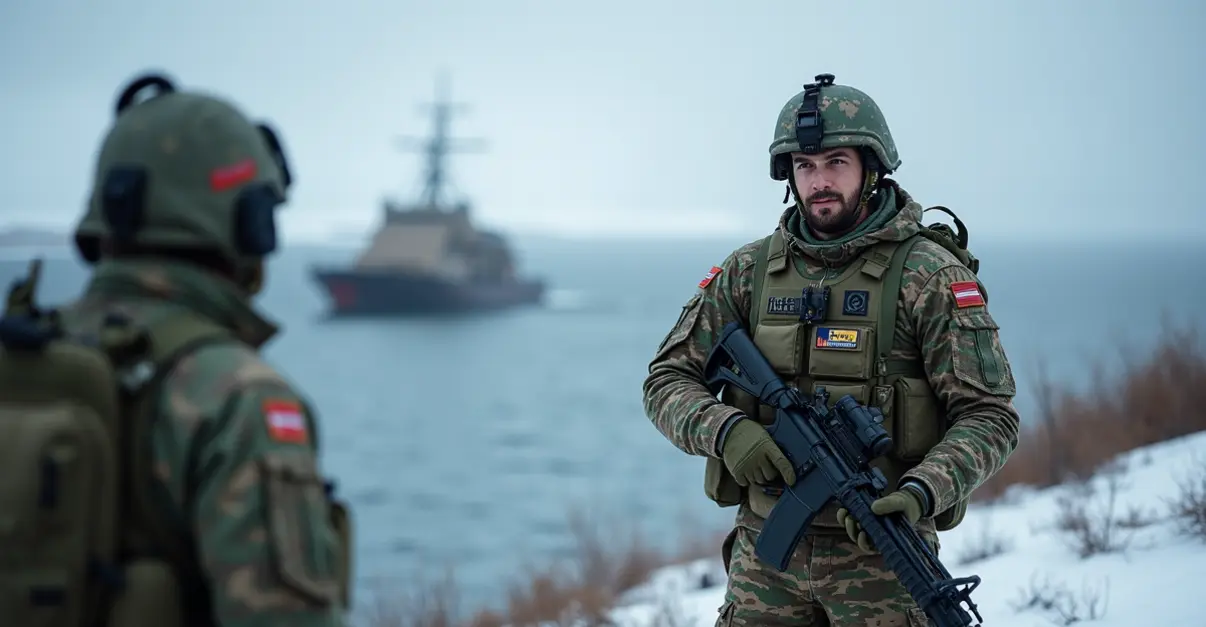





Arctic Tensions Escalate as Denmark and Greenland Deploy Forces
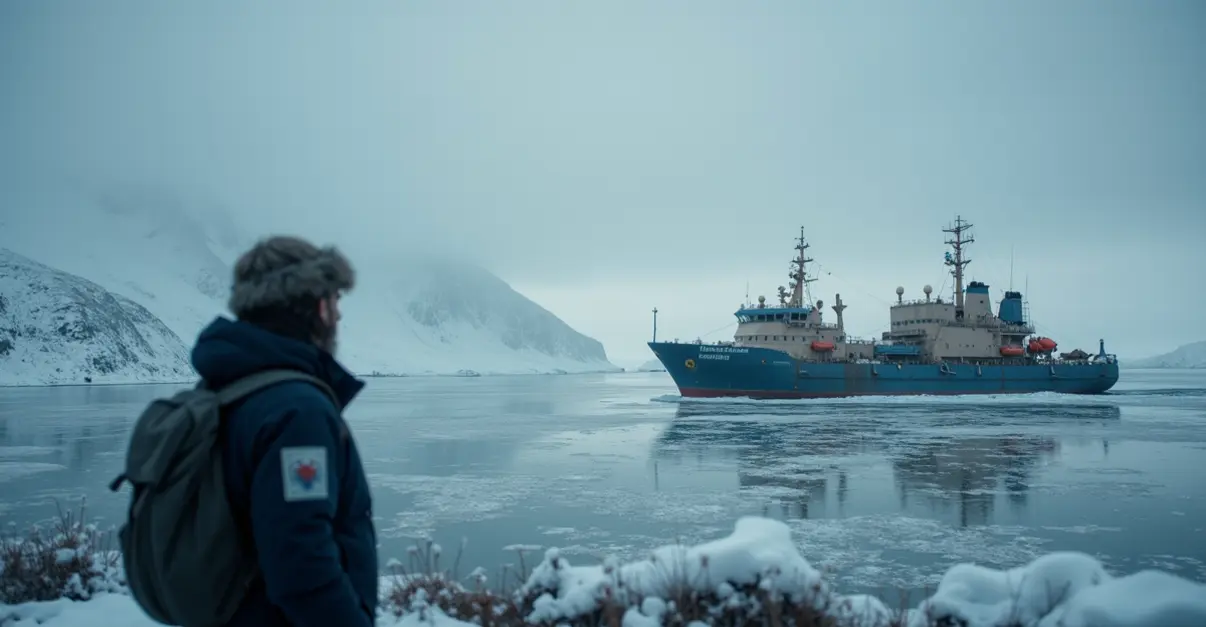
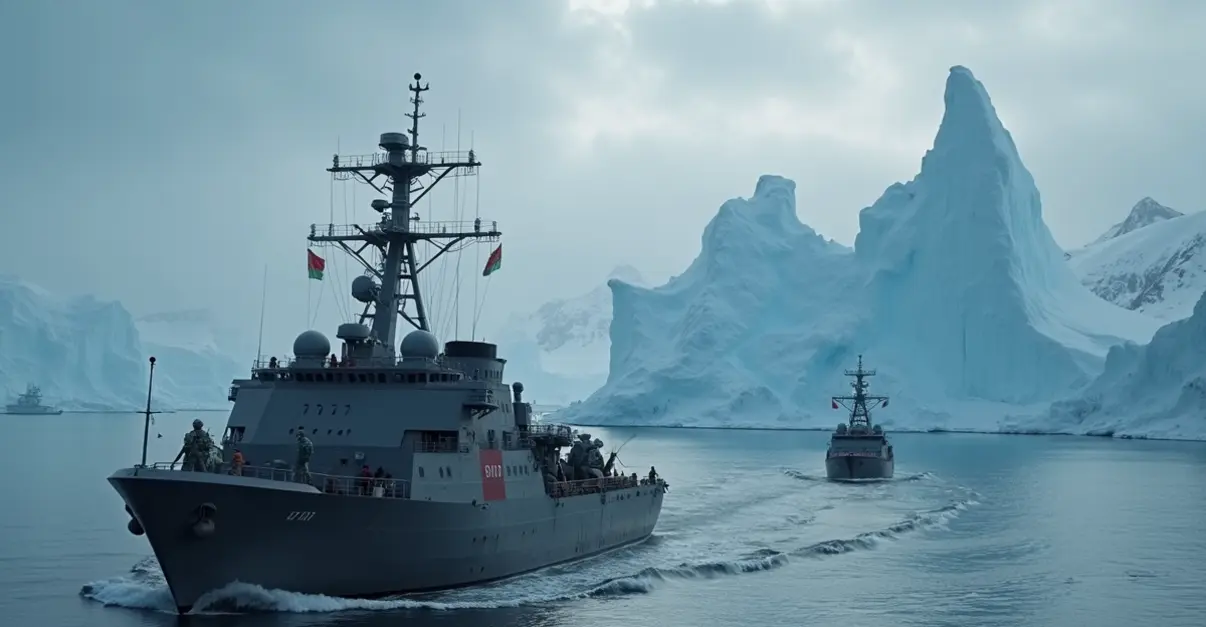
In a significant move that underscores growing geopolitical tensions in the Arctic, Denmark and Greenland have announced an immediate expansion of their military presence in and around the autonomous Danish territory. The decision comes just ahead of high-level meetings in Washington where American officials have been pushing for U.S. control over the strategically vital island.
Military Buildup and International Response
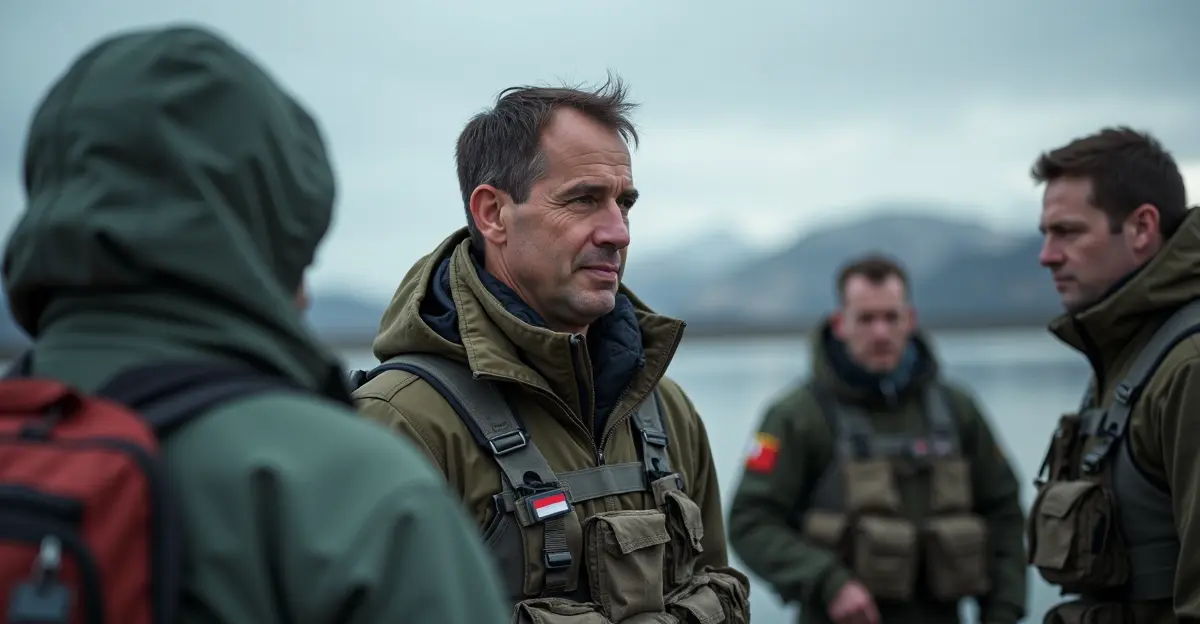
The military expansion includes additional aircraft, ships, and personnel being deployed to Greenland, with several European NATO allies reportedly sending troops to support the Danish-led effort. Swedish Prime Minister Ulf Kristersson confirmed that Swedish military personnel have already arrived in Greenland, though he declined to specify numbers or which other nations are participating. Norwegian media reports indicate Norway is sending two military planners to coordinate allied cooperation.
The European Parliament issued a strong statement condemning what it called 'unacceptable' remarks from the Trump administration regarding Greenland. 'Such statements have no place in relations between democratic partners,' the EU declaration stated, characterizing the U.S. position as a 'flagrant violation' of international law and NATO alliance principles.
Trump's Persistent Interest in Greenland
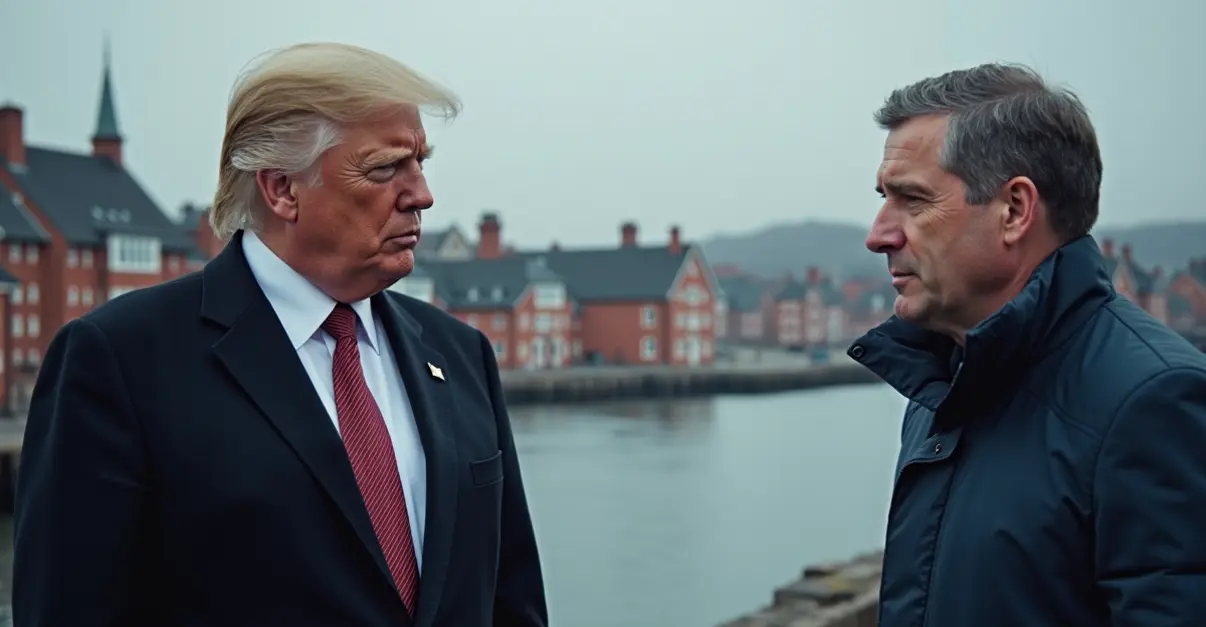
President Donald Trump has repeatedly expressed interest in acquiring Greenland, most recently stating on Truth Social: 'NAVO: tell Denmark they need to leave there now. Two dog sleds are not enough, only the U.S. can do this.' He has framed the potential acquisition as crucial for national security and his proposed 'Golden Dome' missile defense system.
This isn't Trump's first attempt to gain control of Greenland. During his first term, he famously floated the idea of purchasing the island, calling it 'essentially a real estate deal.' Since his return to office in 2025, his administration has taken a more aggressive stance, with some officials suggesting military options remain on the table.
Greenland's Strategic Importance
Greenland's value extends far beyond its 56,000 inhabitants. As climate change accelerates Arctic ice melt, new shipping routes are opening that could revolutionize global trade. The island also contains vast mineral resources, including approximately a quarter of the world's rare earth elements—materials critical for electronics, renewable energy, and defense technologies.
The U.S. already maintains the Thule Air Base (now Pituffik Space Base) in northwest Greenland under a 1951 defense agreement with Denmark. This facility plays a crucial role in missile warning systems and space surveillance. However, Trump administration officials argue that full control would provide greater strategic flexibility.
Greenland's Political Position
Greenland, while part of the Kingdom of Denmark, enjoys significant autonomy over its internal affairs. The territory has long sought full independence, but current tensions have complicated those aspirations. Greenlandic Premier Múte Bourup Egede recently told Sermitsiaq magazine: 'It's not the time to gamble with our right to self-determination when another country is talking about taking us over.'
Despite independence ambitions, Greenlandic leaders have united with Denmark in rejecting U.S. overtures. A 2024 poll showed 85% of Greenlanders oppose American takeover, viewing such moves as a violation of their sovereignty and self-determination rights.
NATO's Delicate Position
NATO Secretary General Mark Rutte has called for alliance members to work together to protect Greenland from external threats, specifically mentioning Russia and China. However, the prospect of conflict between NATO members—Denmark and the United States—presents an unprecedented challenge for the alliance.
Defense analysts suggest that while Denmark is rearming Greenland with substantial defense spending, European forces would likely not engage American troops militarily, as this would effectively mean the end of NATO. Instead, European nations might respond with economic sanctions or by denying U.S. access to European military bases.
Historical Context and Legal Framework
The U.S. has a long history of interest in Greenland, dating back to 1867 when Secretary of State William H. Seward first considered acquisition. During World War II, the U.S. occupied Greenland to prevent German use after Denmark fell to Nazi forces. The 1916 treaty between the U.S. and Denmark explicitly recognizes Danish sovereignty over Greenland, a point the EU emphasized in its recent statement.
As Arctic competition intensifies, the Greenland situation represents a critical test for international norms, alliance relationships, and the balance between great power ambitions and smaller nations' sovereignty. With climate change making the region increasingly accessible, the stakes continue to rise for all parties involved.