Deutsch
 English
 Español
 Français
 Nederlands
 Português






US Military Operation Captures Maduro, Sparks International Crisis
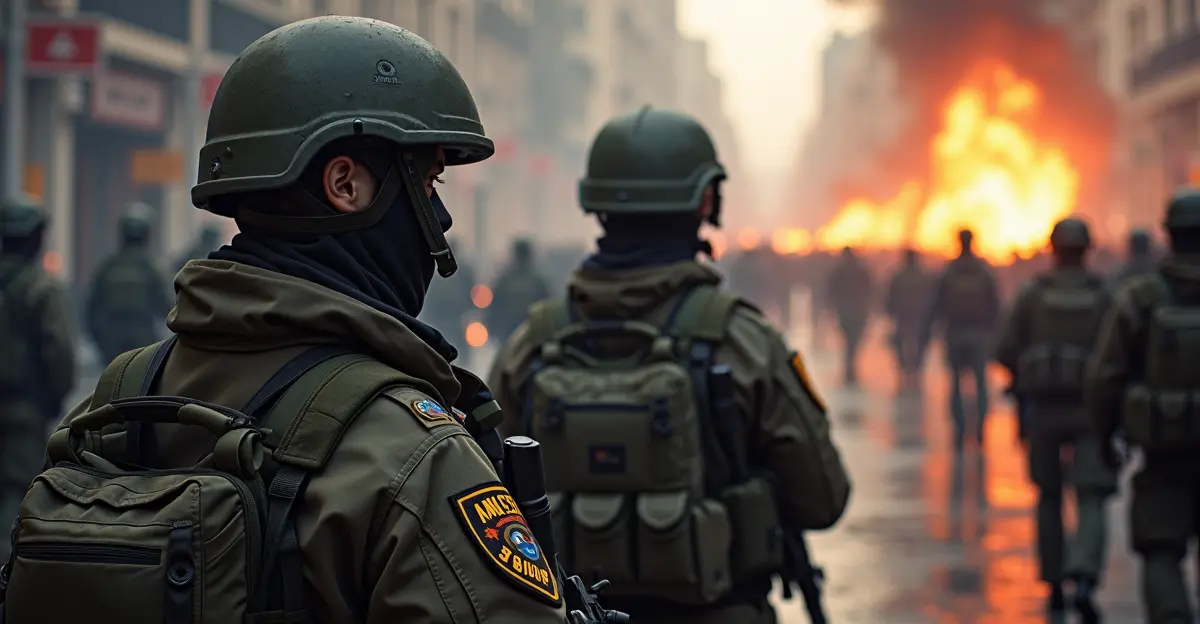
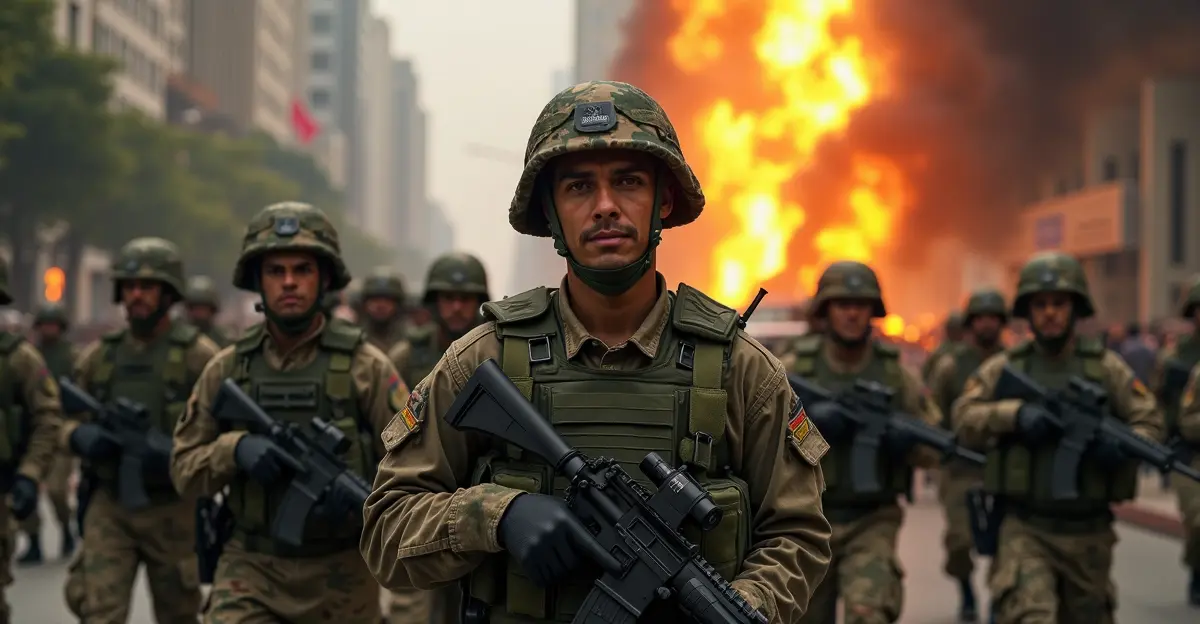
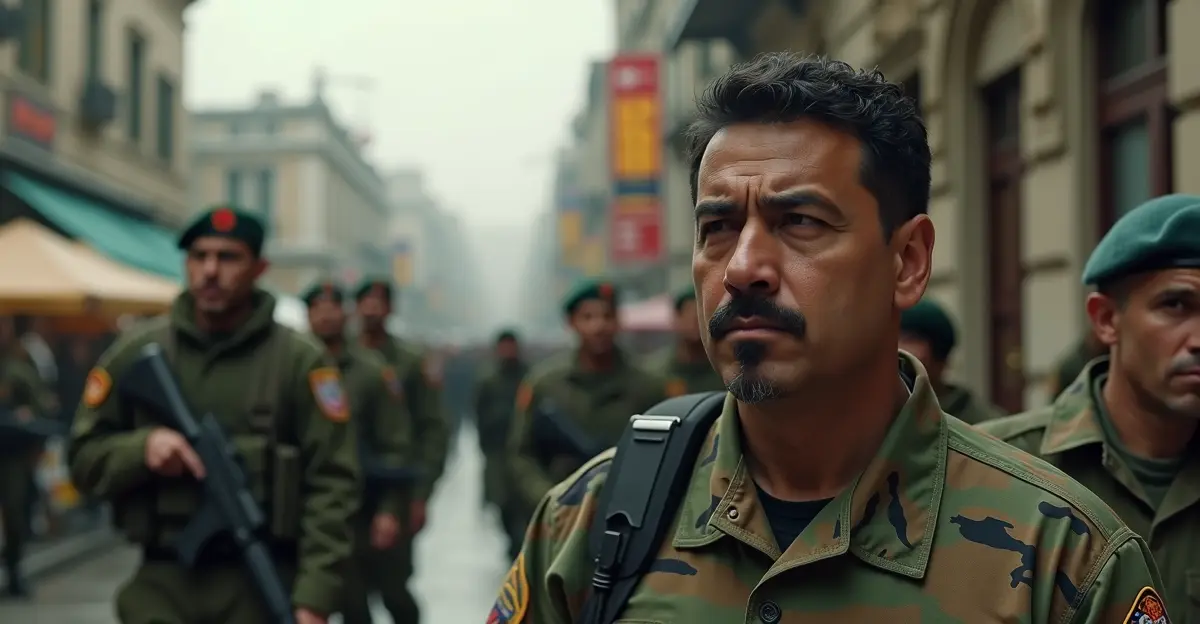
In a dramatic escalation of tensions between Washington and Caracas, US special forces have captured Venezuelan President Nicolás Maduro and his wife Cilia Flores in a military operation that has triggered global condemnation and raised serious questions about international law. The operation, which President Donald Trump called a 'brilliant operation' on his Truth Social platform, involved elite troops and airstrikes on military installations in Caracas and other parts of Venezuela.
Operation Details and Immediate Aftermath
The capture occurred during what US officials described as a 'large-scale strike' against Venezuela on January 3, 2026. According to PBS NewsHour, this followed months of escalating military actions that began in January 2025 when Trump signed an executive order designating criminal organizations as foreign terrorist organizations. The US had deployed warships, F-35 fighter jets, and conducted at least 35 strikes against alleged drug smuggling boats in South American waters, killing over 115 people.
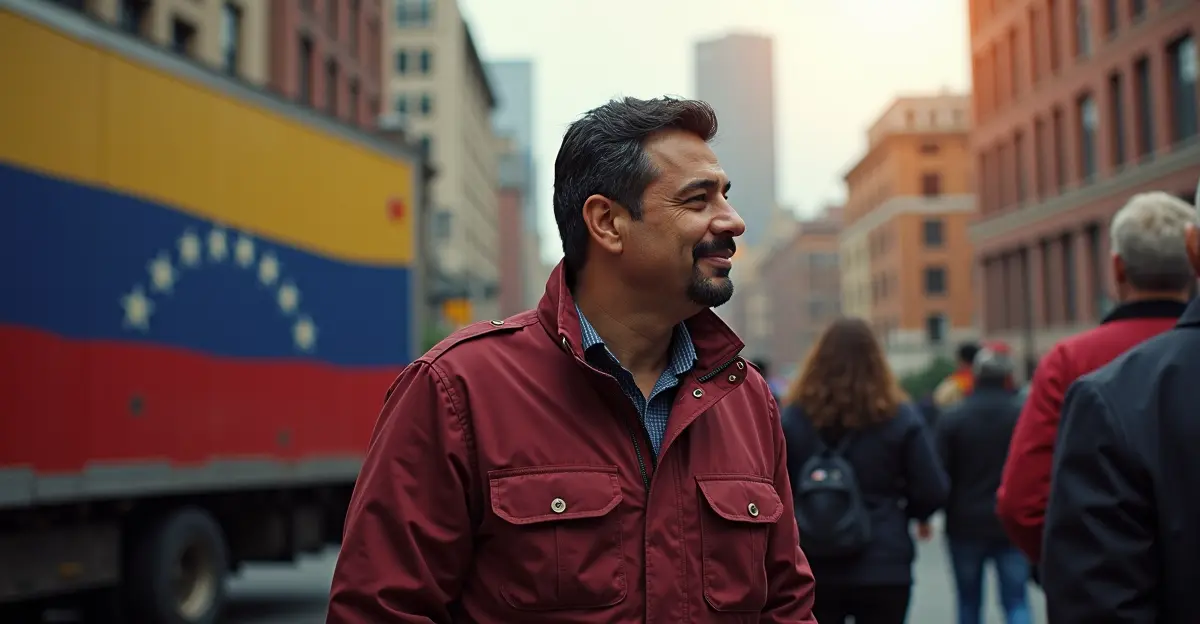
Venezuelan Vice President Delcy Rodriguez, now the highest political leader in the country, demanded proof that Maduro is still alive through state television. 'We demand immediate evidence of President Maduro's condition and location,' Rodriguez stated, adding that 'this imperialist aggression will not go unanswered.'
International Reactions and Condemnations
The international community responded with shock and division. Russia's Foreign Ministry called the action 'a blatant act of armed aggression' and declared solidarity with the Venezuelan people and government. Moscow stated that 'the right of Venezuela to determine its own destiny must be guaranteed without any destructive, let alone military, intervention from outside.'
Cuba, Venezuela's closest ally, made an 'urgent appeal to the international community' to respond to what it called the 'criminal' US attack on Caracas. The Cuban government denounced the actions as 'state terrorism' and a 'brutal attack on our zone of peace.'
European reactions were more measured but expressed deep concern. EU foreign policy chief Kaja Kallas emphasized that 'the principles of international law and the United Nations Charter must be respected' while calling for restraint. She noted that the safety of EU citizens in Venezuela was Brussels' highest priority, but reiterated the EU's position that it does not recognize Maduro as Venezuela's legitimate president.
Legal Proceedings and Charges
Maduro and his wife face federal charges in New York including narco-terrorism conspiracy, cocaine importation conspiracy, and illegal weapons counts. According to USA Today, the indictment alleges Maduro helped ship tons of cocaine to the United States over decades, using his government positions to facilitate drug trafficking.
US Attorney General Letitia James stated that 'Maduro and his wife will soon feel the full force of American justice, on American soil and in an American courtroom.' The couple is expected to be arraigned in New York as early as January 5, 2026.
Regional Implications and Security Concerns
Colombian President Gustavo Petro, whose country shares a long border with Venezuela, stated his opposition to 'all unilateral military actions' against his neighbor. Colombia has sent troop reinforcements to the Venezuelan border as a precautionary measure.
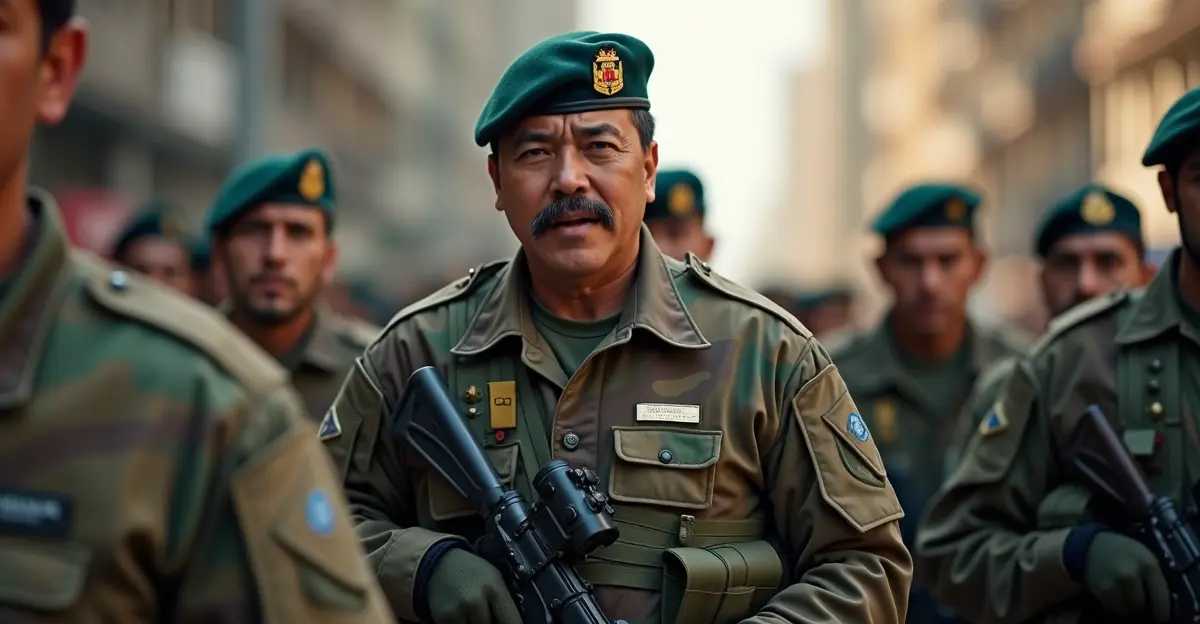
Venezuelan Defense Minister Vladimir Padrino said in a video message that his country would resist the Americans, with armed forces and civilian militias ordered to defend against further attacks. 'We are prepared to defend our sovereignty at any cost,' Padrino declared.
The crisis has broader implications for Latin America, where many countries have expressed concern about the precedent set by the US action. Brazil called it a 'serious affront' to sovereignty, while Argentina expressed 'profound concern' about the violation of international norms.
Historical Context and Ongoing Crisis
The capture comes amid Venezuela's ongoing socioeconomic and political crisis that began during Hugo Chávez's presidency and worsened under Maduro. According to Wikipedia, the crisis has been marked by hyperinflation, escalating starvation, disease, crime, and mortality rates, resulting in massive emigration. The US and other countries have imposed sanctions on Venezuelan officials for human rights abuses and corruption.
US Senator Mike Lee, a Republican colleague of Trump, suggested that further military actions were unlikely now that Maduro is in US custody. He indicated that the operation's goal was to bring Maduro before an American court.
As the situation continues to develop, the United Nations Security Council is expected to hold an emergency session at the request of Venezuela and other Latin American nations. The international community watches anxiously as this unprecedented intervention raises fundamental questions about sovereignty, international law, and the future of US-Latin American relations.