Nederlands
 English
 Deutsch
 Français
 Español
 Português





Tourism Becomes Economic Weapon in East Asian Power Struggle
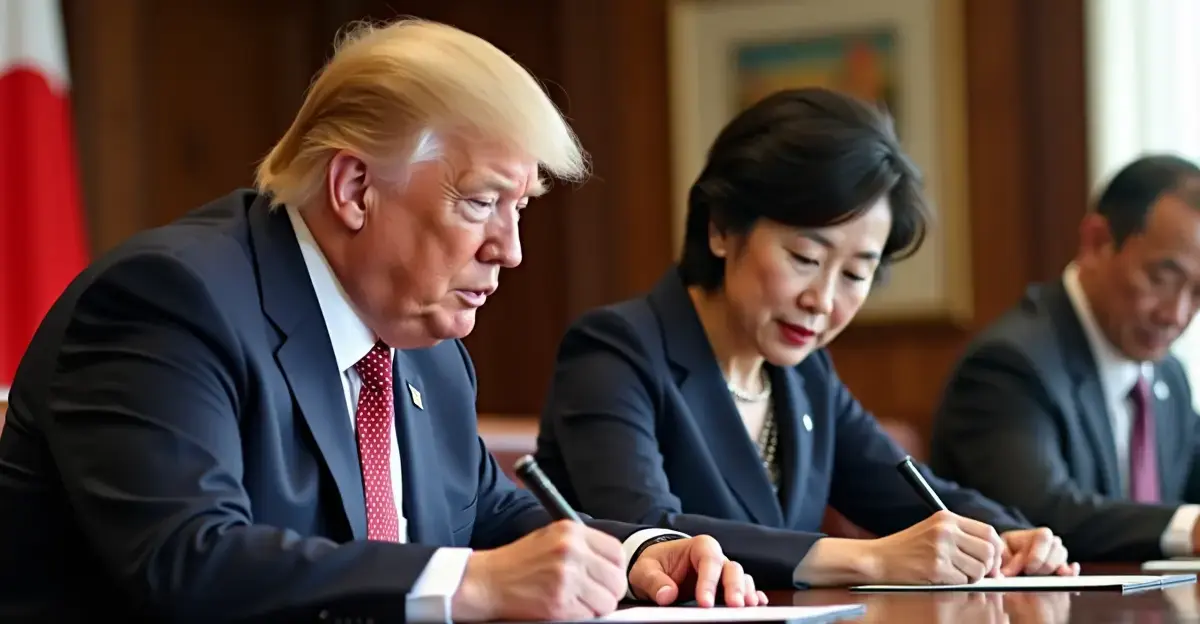
In a dramatic escalation of tensions between Asia's two largest economies, China has weaponized tourism as a political tool against Japan following controversial remarks by Japanese Prime Minister Sanae Takaichi about Taiwan. The diplomatic crisis, which began on November 7 when Takaichi suggested that a Chinese attack on Taiwan could constitute a 'survival-threatening situation' for Japan, has now evolved into a full-scale economic confrontation with tourism as its primary battlefield.
The Immediate Impact: Empty Parking Lots and Cancelled Flights
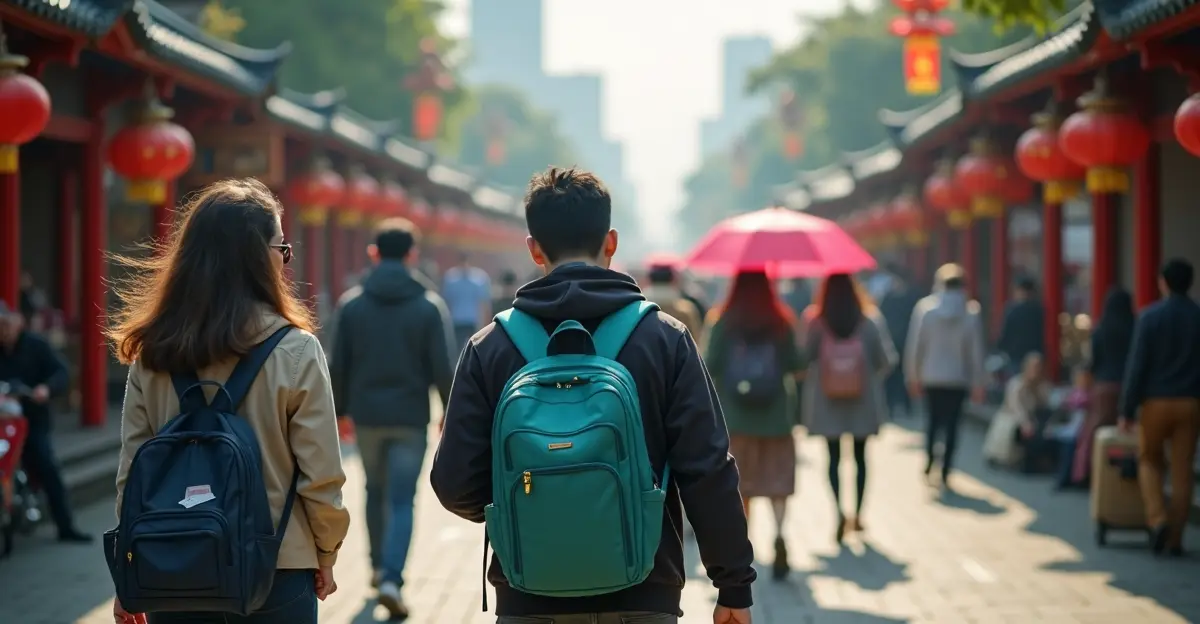
The effects are already visible across Japan's tourism hotspots. At Mount Fuji, normally bustling with Chinese tour groups, reisagent Wangping Aw points to an almost empty parking lot. 'Normally this place is full, especially during lunchtime,' she tells reporters. 'Today we have Thai, Indonesian, Filipino, Taiwanese tourists - but no Chinese.'
According to Japan National Tourism Organization data, Chinese tourists represented nearly 23% of all visitors to Japan in 2025, spending approximately 1.73 trillion yen (€9.5 billion) in 2024 alone. Between January and September 2025, 6.7 million Chinese tourists visited Japan out of 28.3 million total foreign visitors.
The situation has changed dramatically since China's travel advisory. Chinese airlines have cancelled nearly one in five flights to Japan for December, representing over 156,000 seats. Hotel bookings by Chinese tourists have plummeted by more than 50% according to booking platform Tripla, with hotels in Osaka reporting 50-70% cancellation rates through year-end.
Economic Warfare with Tourism as the Weapon
'This is a form of economic coercion,' says Mong Cheung, professor of international relations at Waseda University in Tokyo. 'For the Chinese, this is an easy way to pressure the Japanese prime minister - it costs them little.'
The strategy follows a familiar pattern in China's diplomatic playbook. As AP News analysis notes, China has previously used similar economic pressure tactics in territorial disputes, though the scale of this tourism weaponization is unprecedented.
Hiroyuki Takahashi, chairman of the Japan Association of Travel Agents, confirmed this week that 'there is a complete stop of group tours from China.' Several days later, the Chinese government reiterated its warning, this time specifically targeting individual travelers.
Broader Implications and Japan's Response
The economic impact could be significant. Economists warn that if tensions persist, Japan could face a potential 1.79 trillion yen GDP drop (0.29% decline) over one year, according to CNBC analysis.
However, Prime Minister Takaichi shows no signs of backing down. 'She stands politically stronger through her course,' observes Professor Cheung. 'She is popular with the public and uses this conflict to strengthen her power base.' Takaichi currently enjoys strong 69% approval ratings.
Meanwhile, Japan's tourism industry is adapting. 'We are now focusing on Australian, American and Taiwanese visitors,' says travel agent Aw. 'I notice among colleagues in the sector that everyone is actively working on this. Ultimately, it's also just smart business not to be too dependent on one country.'
Beyond Tourism: Other Pressure Points
'This is just the beginning,' warns Cheung. 'China has more cards in hand, from economic sanctions to restrictions on rare earth materials, and in the extreme case, detaining Japanese citizens on its own territory.'
China has already begun employing so-called gray zone tactics, sending coast guard ships, fighter jets, and drones to disputed waters around the Senkaku Islands (known as Diaoyu Islands in China). These tensions reflect what Firstpost analysis describes as a dangerous new low in China-Japan relations, with limited diplomatic off-ramps available.
Long-term Consequences and Strategic Shifts
The crisis may accelerate Japan's strategic diversification away from Chinese tourism dependence. According to The Straits Times reporting, Japan is already shifting focus toward Southeast Asian, Taiwanese, and South Korean markets.
Professor Cheung believes tourism will eventually lose its potency as a pressure tool. 'This quarrel could easily last another year,' he says. 'But China still has plenty of other ways to increase pressure on Japan.'
The standoff represents more than just a diplomatic spat - it's a fundamental test of economic interdependence as a stabilizing force in international relations. As both economic giants navigate this crisis, the world watches to see whether tourism, once seen as a bridge between cultures, has become just another weapon in the arsenal of geopolitical conflict.