


 Deutsch
 English
 Español
 Français
 Nederlands
 Português


 Share
Share




Rutte's Diplomatic Mission to the White House
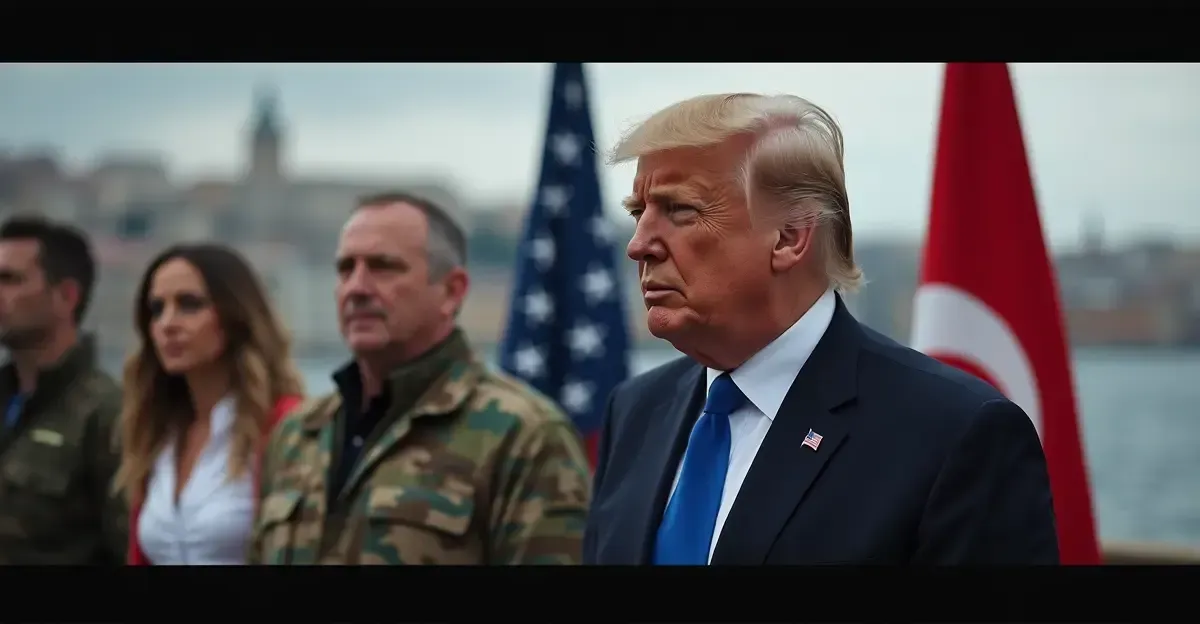
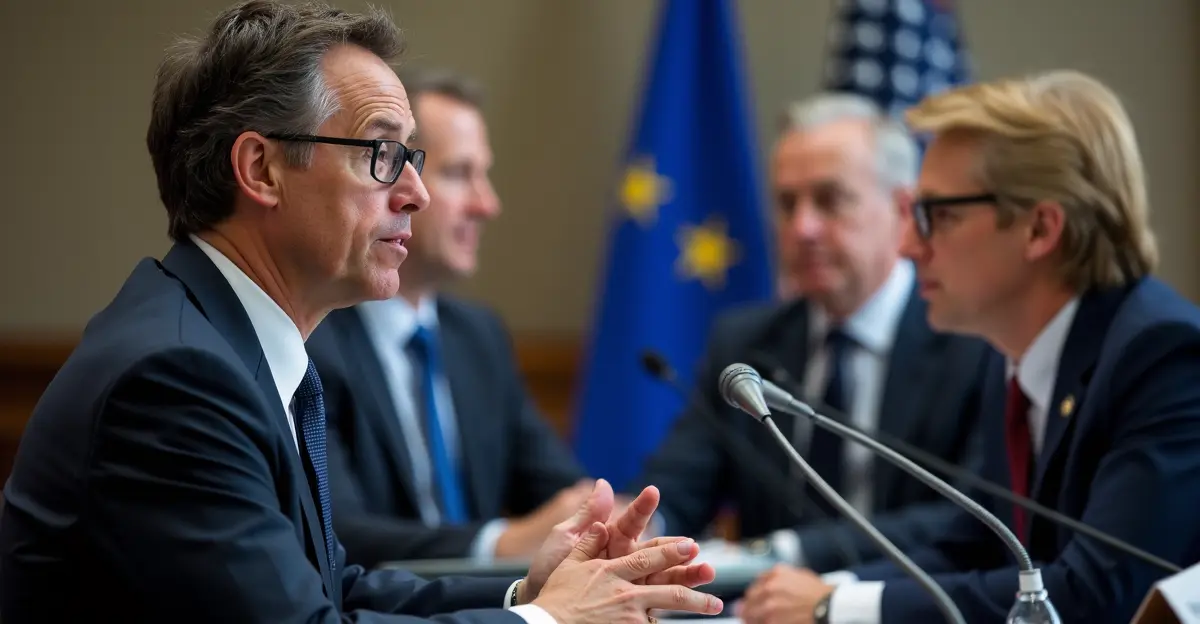
NATO Secretary-General Mark Rutte met with U.S. President Donald Trump at the White House on June 24, 2026, in a high-stakes effort to smooth over deepening rifts within the transatlantic alliance ahead of the pivotal NATO summit in Ankara, Turkey, scheduled for July 7-8. The meeting comes at a time when Trump has openly criticized European allies for failing to support the U.S. military campaign against Iran, which began on February 28, 2026, and has strained NATO cohesion to its breaking point.
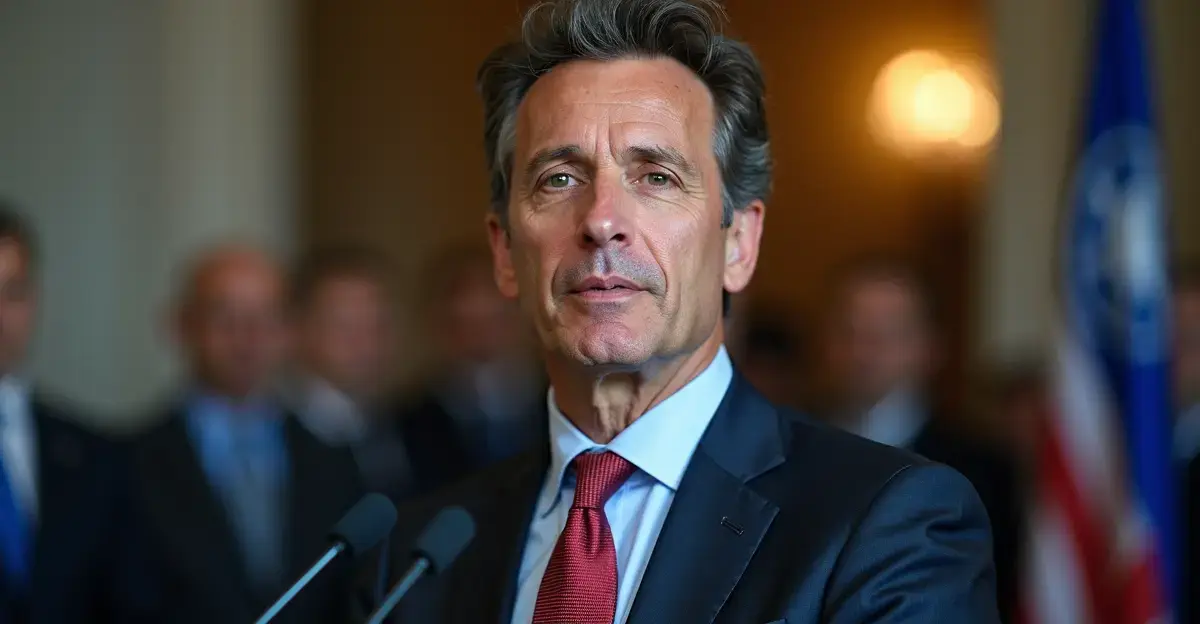
Rutte, the former Dutch prime minister who took office as NATO's chief in October 2024, is widely regarded as a 'Trump whisperer' for his ability to manage the president's often confrontational approach to the alliance. During the Oval Office meeting, Rutte acknowledged Trump's frustrations but pushed back with data showing European allies had provided substantial support during the Iran conflict.
"I understand your irritations," Rutte told Trump, according to sources familiar with the meeting. "But look at the numbers: 4,000 to 5,000 American aircraft took off from European bases during the campaign." Rutte pointed out that the airport in Bucharest, Romania, was temporarily closed to accommodate U.S. military operations, and that European allies had been supportive 'in a general sense.'
The 2026 Iran war and NATO response has become a flashpoint for alliance unity, with Trump accusing key members like Germany, France, the United Kingdom, Italy, and especially Spain of letting the U.S. down. Spain refused to allow the U.S. military to use Spanish bases for strikes against Iran, drawing Trump's particular ire. "Spain is a horror show," Trump reportedly said during the meeting.
Background: Growing Tensions Within NATO
Trump has long been a vocal critic of NATO, arguing that the U.S. bears an unfair financial burden for European defense. His frustration has escalated since the Iran war, which the U.S. launched jointly with Israel after accusing Tehran of advancing its nuclear weapons program. The conflict resulted in over 2,300 casualties and nearly 2,000 strikes across 29 of Iran's 31 provinces before a ceasefire was reached.
European allies declined to join the military campaign, citing a lack of prior consultation and arguing that NATO is fundamentally a defensive alliance. This refusal infuriated Trump, who has since threatened to reduce U.S. commitments to European security. Defense Secretary Pete Hegseth reinforced this message on June 18, 2026, when he announced a six-month review of U.S. troop deployments in Europe and warned of potential reductions for allies deemed to be 'free-riding.'
Hegseth specifically criticized allies who "talk too much and make too little progress" and threatened to withhold some U.S. dues to NATO unless member states meet defense spending targets. The Pentagon has already begun cutting contributions to NATO's crisis forces, reducing the pool of U.S. fighter jets by a third (to 99) and halving the number of drones (to 12).
Rutte's Strategy: Flattery and Facts
Rutte's approach to managing Trump combines personal rapport with hard data. During the meeting, he presented charts showing that European and Canadian defense spending has increased by 20% to $139 billion, attributing this rise to Trump's pressure. "NATO is so much stronger since 2016," Rutte told Trump, crediting the president's leadership for pushing allies to invest more in their own defense.
Trump appeared receptive to Rutte's personal style, telling him: "You've done good work. If someone else had been in that chair, we wouldn't be talking today because we were let down." However, the president stopped short of fully endorsing Rutte's reassurances about allied support. Trump emphasized that he wanted 'loyalty' from NATO rather than money, noting that the U.S. maintains tens of thousands of troops across Europe at significant cost.
The future of US troops in Europe remains a central concern for NATO allies. The Pentagon's six-month review, expected to conclude by December 2026, could result in significant reductions in American forces stationed on the continent. Hegseth has framed the review as part of a 'NATO 3.0' transformation that would shift primary responsibility for European conventional defense to European nations themselves.
Implications for the Ankara Summit
The upcoming NATO summit in Ankara, hosted by Turkish President Recep Tayyip Erdogan, will be one of the most consequential in the alliance's history. Leaders are expected to discuss defense spending targets (with Trump pushing for 5% of GDP), support for Ukraine, and the alliance's strategic direction amid multiple crises. The summit will also address the war in Ukraine, Middle East instability, and the growing challenge from China.
Rutte expressed optimism after the White House meeting, stating that Trump remains 'committed' to NATO. However, many European leaders remain skeptical. A group of five major European allies recently met in Berlin to coordinate a joint position ahead of the summit, signaling a growing push for Europe to take greater responsibility for its own security irrespective of U.S. policy.
The NATO burden-sharing debate is unlikely to be resolved at a single summit. European allies have increased spending but still fall short of the 5% target Trump has demanded. The U.S. president has also threatened to withdraw from NATO entirely if allies do not meet his demands, though such a move would require congressional approval and faces significant opposition in Washington.
FAQ
Why did Mark Rutte meet with President Trump?
Rutte met Trump to ease tensions ahead of the July 2026 NATO summit in Ankara, Turkey. Trump has been critical of European allies for not supporting the U.S. military campaign against Iran and for not meeting defense spending targets.
What did Trump say about NATO allies during the meeting?
Trump expressed disappointment with several NATO members, including Germany, France, the UK, Italy, and Spain, accusing them of letting the U.S. down during the Iran war. He specifically called Spain 'a horror show' for refusing to allow U.S. use of Spanish bases.
How did Rutte defend European allies?
Rutte highlighted that 4,000-5,000 U.S. aircraft operated from European bases during the Iran conflict, that European defense spending has increased 20% to $139 billion, and that allies have been supportive 'in a general sense.'
What is at stake at the Ankara summit?
The summit will address defense spending commitments, the future of U.S. troop deployments in Europe, support for Ukraine, and the alliance's strategic direction. A Pentagon review could result in significant reductions in American forces in Europe.
Is Trump committed to NATO?
Rutte stated after the meeting that Trump remains 'committed' to NATO. However, Trump has repeatedly threatened to reduce U.S. commitments or withdraw from the alliance if allies do not meet his demands for increased defense spending and burden-sharing.

Follow Discussion