


 Deutsch
 English
 Español
 Français
 Nederlands
 Português


 Share
Share




What is Trump's Board of Peace?
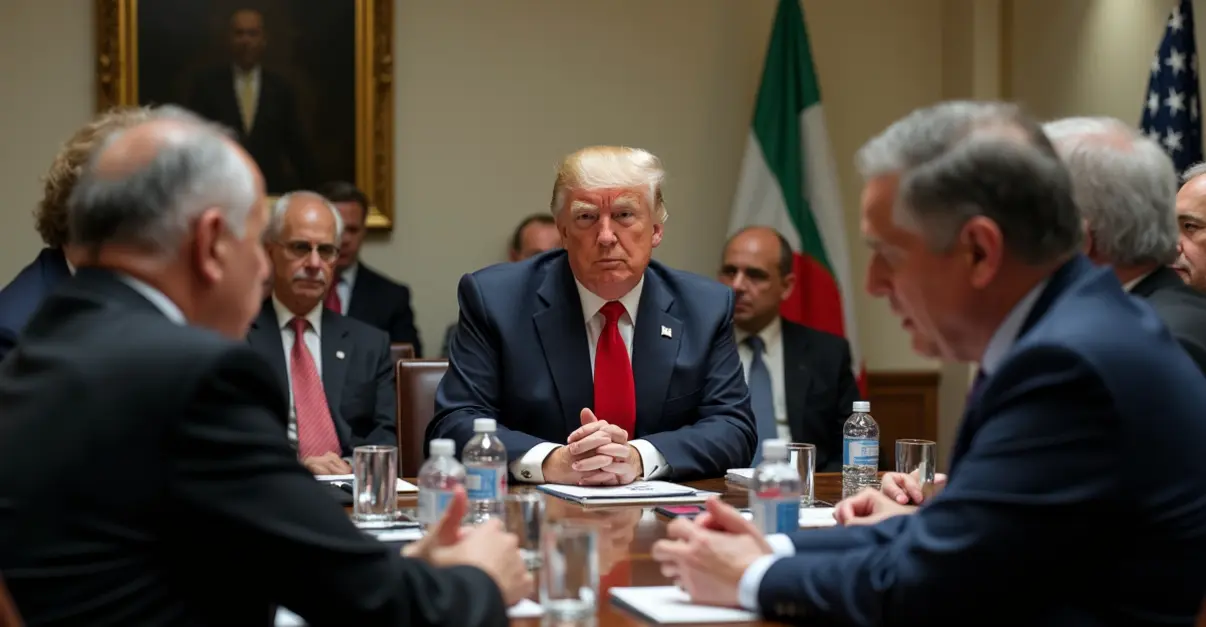
President Donald Trump's controversial Board of Peace held its inaugural meeting in Washington on February 19, 2026, securing $7 billion in reconstruction aid for Gaza and commitments for an international security force. The newly established diplomatic initiative, which has drawn criticism from European allies as a potential rival to the United Nations, brought together representatives from over 20 member countries and several observer nations to address the ongoing humanitarian crisis in the Palestinian territory.
Gaza Reconstruction Funding: $7 Billion Pledged
During the first session of Trump's Peace Council, nine member countries committed a combined $7 billion (approximately €6 billion) toward Gaza's reconstruction. President Trump announced that Kazakhstan, Azerbaijan, the United Arab Emirates, Morocco, Bahrain, Qatar, Saudi Arabia, Uzbekistan, and Kuwait had contributed to what he called a "historic humanitarian package." The United States separately pledged $10 billion for the Board of Peace's broader operations, though specific allocation details remain unspecified.
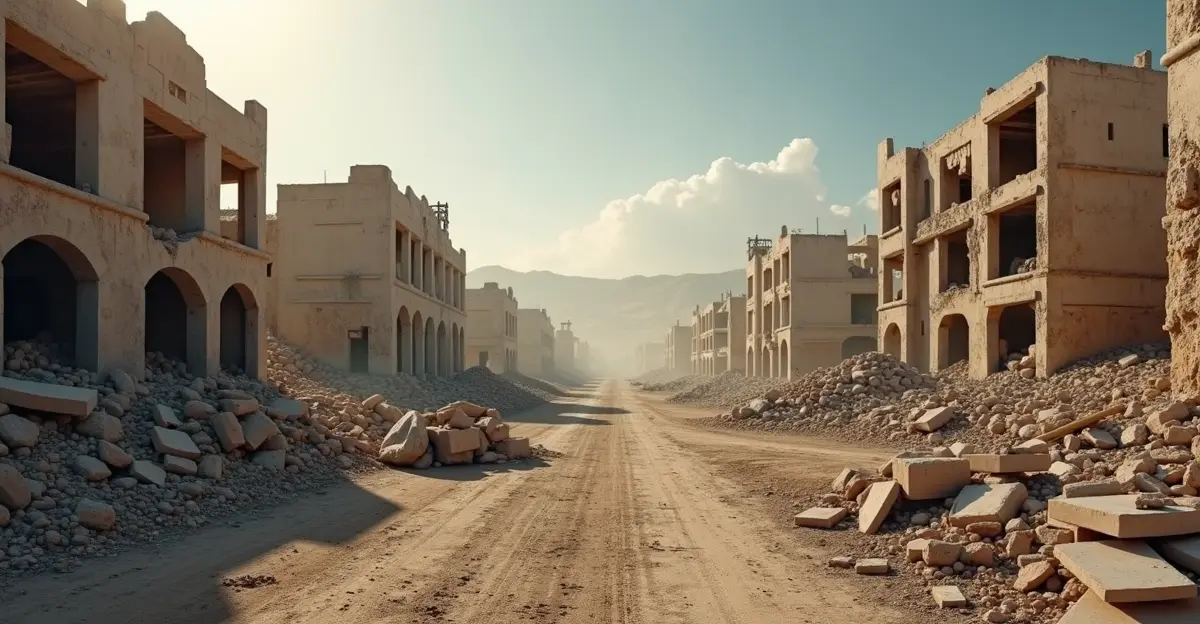
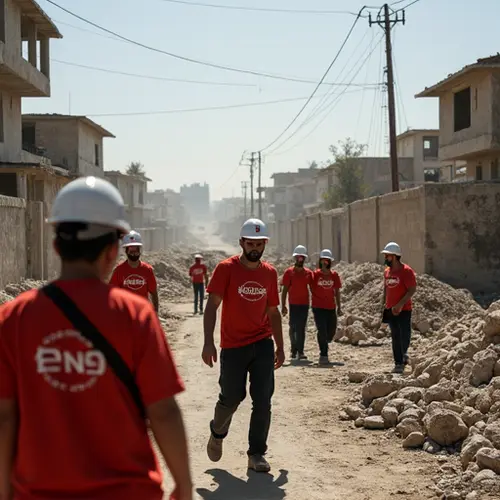
While significant, the $7 billion represents only about 10% of the estimated $70 billion needed to rebuild Gaza after two years of devastating conflict. According to UN Development Programme assessments from late 2025, approximately 84% of Gaza's infrastructure has been destroyed, with damage reaching 92% in Gaza City alone. The UN Gaza reconstruction plan calls for immediate $20 billion over three years just to begin recovery efforts.
International Security Force Commitments
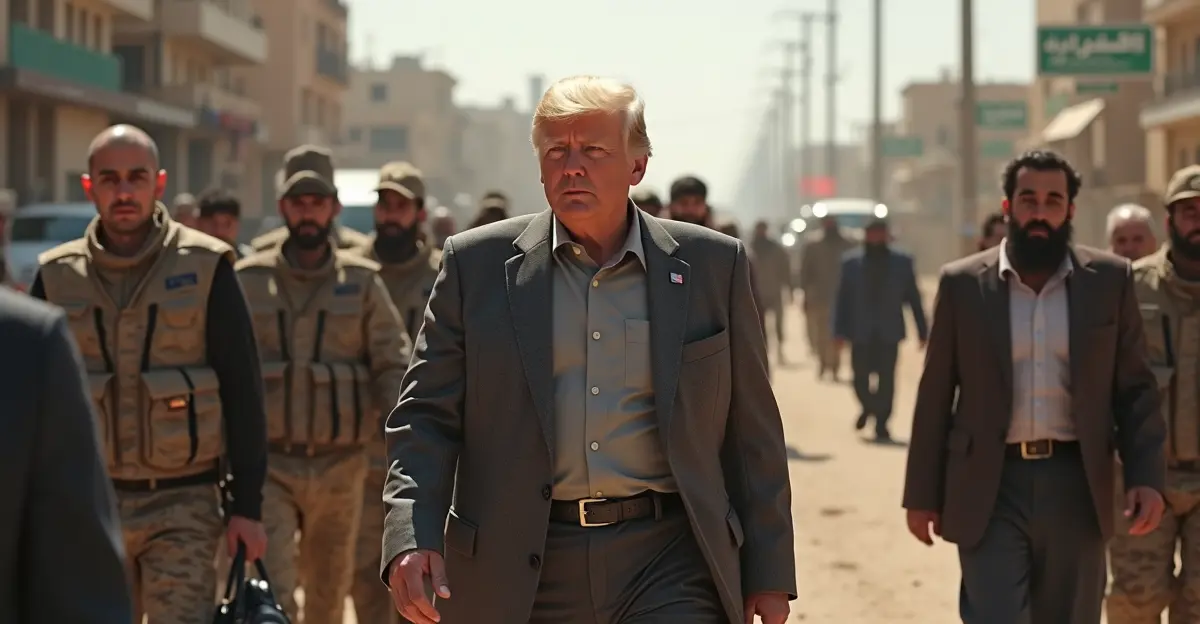
Beyond financial aid, five nations pledged troops for an International Stabilization Force (ISF) that will operate in Gaza. Indonesia committed the largest contingent with 8,000 personnel, while Morocco, Kazakhstan, Kosovo, and Albania also offered military contributions. The force's initial deployment will focus on Rafah in southern Gaza, where the U.S. administration plans to concentrate early reconstruction efforts.
Major General Jeffers, speaking at the Washington meeting, revealed that Egypt and Jordan have offered to train 12,000 Palestinian police officers, with Italy also expressing willingness to participate in training programs. "With these first steps, we contribute to the security that Gaza needs for future prosperity and sustainable peace," Jeffers stated, emphasizing the dual approach of security and reconstruction.
Controversy and Criticism
The Board of Peace has faced significant international skepticism since its conception. Germany and France, participating only as observers, have criticized the initiative as creating a parallel structure to the United Nations. Concerns center on Trump's lifetime chairmanship of the board and the $1 billion fee required for permanent membership.
European diplomats have expressed worries that the board could undermine existing international institutions. A French foreign ministry spokesperson commented, "While we support all efforts toward Gaza's reconstruction, we must ensure these initiatives complement rather than compete with established multilateral frameworks." The trans-Atlantic diplomatic relations have shown increasing strain over this and other Trump administration initiatives.
Operational Details and Timeline
The International Stabilization Force is expected to begin deployments between April and June 2026, with Indonesian troops potentially arriving first. The force's mandate includes securing border areas, protecting humanitarian corridors, and supporting the phased withdrawal of Israeli Defense Forces from Gaza. Reconstruction efforts will initially focus on Rafah, where plans call for building 100,000 homes within three years as part of what Trump's son-in-law Jared Kushner has described as a "New Gaza" vision resembling Dubai or Doha.
Major General Jeffers outlined the phased approach: "Our immediate priority is establishing security in Rafah to enable reconstruction. We'll then expand operations northward as conditions permit, always coordinating with humanitarian agencies and local authorities."
Regional and Global Implications
The Board of Peace represents a significant shift in Middle East diplomacy, with Gulf states playing prominent roles in both funding and security arrangements. The inclusion of Muslim-majority nations like Indonesia and Morocco in the security force aims to provide regional legitimacy to the intervention, though some Islamic groups have criticized the lack of direct Palestinian representation in planning.
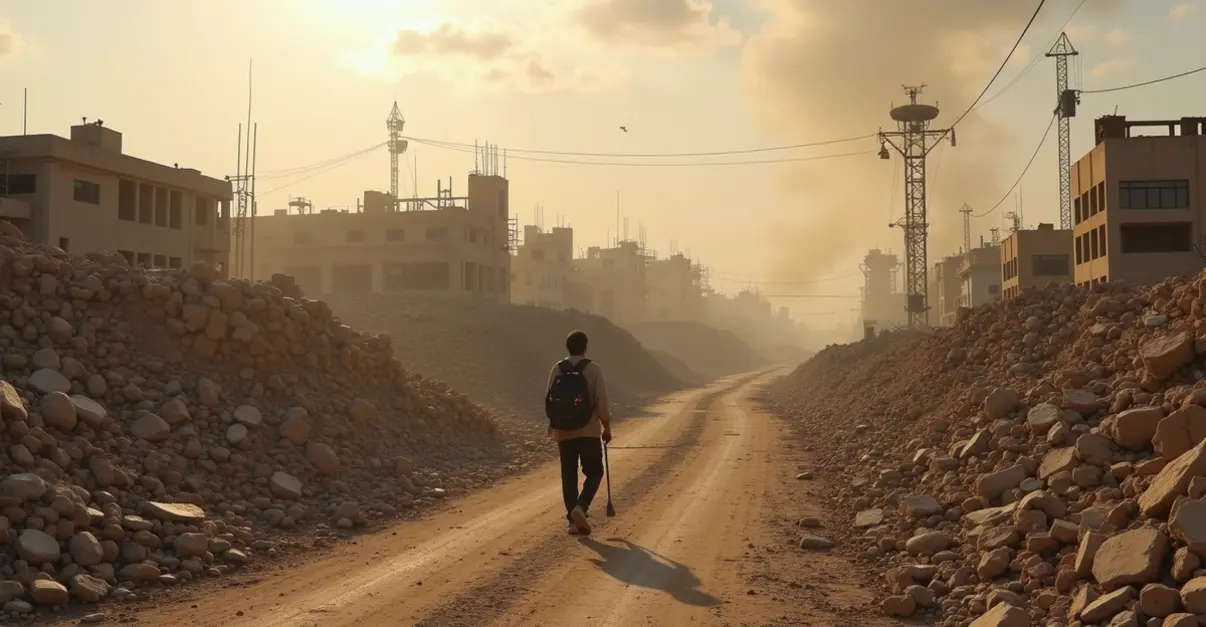
The initiative comes amid ongoing humanitarian challenges in Gaza, where UN reports indicate 2 million people remain displaced and over 600 have died since the October 2025 ceasefire. Only 560 metric tons of food enter Gaza daily—far below estimated needs—and over 61 million tons of rubble require removal before reconstruction can fully commence.
FAQ: Trump's Board of Peace and Gaza Reconstruction
What is the Board of Peace?
The Board of Peace is President Trump's diplomatic initiative established in early 2026 to address international conflicts, beginning with Gaza reconstruction. It brings together member countries who contribute funding and resources for peacebuilding efforts.
How much money has been pledged for Gaza?
Nine countries have pledged $7 billion specifically for Gaza reconstruction, with the U.S. adding $10 billion for the board's broader operations. However, this represents only 10% of the estimated $70 billion needed for complete reconstruction.
Which countries are sending troops to Gaza?
Indonesia (8,000 troops), Morocco, Kazakhstan, Kosovo, and Albania have committed personnel to the International Stabilization Force. Egypt and Jordan will provide police training.
Why is the Board of Peace controversial?
European allies criticize it as a potential UN rival, object to Trump's lifetime chairmanship, and question the $1 billion permanent membership fee. Some also note the lack of Palestinian representation in planning.
When will reconstruction begin?
Initial security deployments are scheduled for April-June 2026, with reconstruction focusing first on Rafah. The complete rebuilding is expected to take years given the extensive damage.

Follow Discussion