Deutsch
 English
 Español
 Français
 Nederlands
 Português






European Union Calls for Restraint Amid Venezuela Crisis
The European Union has issued a coordinated call for 'calm and restraint by all actors' as political uncertainty deepens in Venezuela following the dramatic capture of President Nicolás Maduro by U.S. forces. In a statement released on Sunday, EU foreign policy chief Kaja Kallas emphasized that 'the right of the Venezuelan people to determine their future must be respected' and urged all parties to 'avoid escalation and ensure a peaceful solution to the crisis.'
The statement, supported by all EU member states except Hungary, represents the bloc's delicate balancing act as it navigates the fallout from one of the most significant geopolitical events in recent Latin American history. 'Respecting the will of the Venezuelan people remains the only way for Venezuela to restore democracy and resolve the current crisis,' the EU declaration stated, carefully avoiding explicit condemnation of the U.S. military operation while reminding Washington of its responsibilities under international law.
Trump's Threatening Rhetoric
Meanwhile, U.S. President Donald Trump has escalated tensions with threatening rhetoric directed at Venezuela's new acting president, Delcy Rodríguez. According to a report in The Atlantic, Trump warned in a phone interview: 'If she doesn't do what's right, she is going to pay a very big price, probably bigger than Maduro.' The publication did not specify what Trump meant by 'right' or clarify the exact context of his remarks.
This threat comes just days after U.S. special forces captured Maduro and his wife Cilia Flores in a dramatic early morning operation on Saturday. The former president is expected to appear in a New York federal court on Monday, facing narcoterrorism charges that have been pending for years.
Venezuela's Military Backs Rodríguez
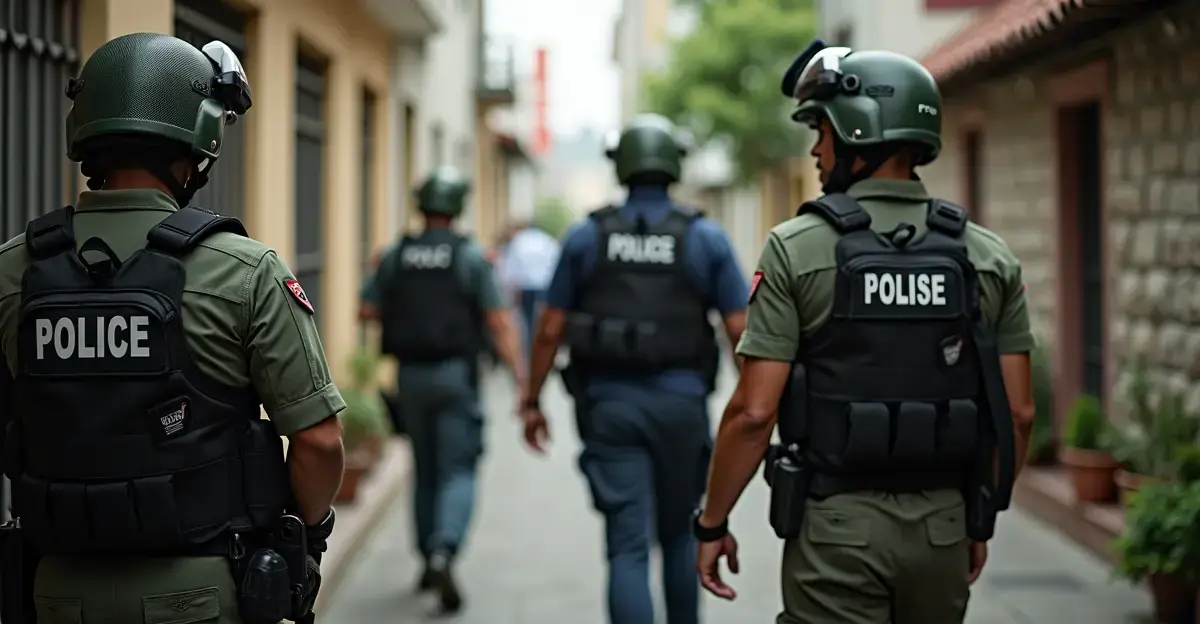
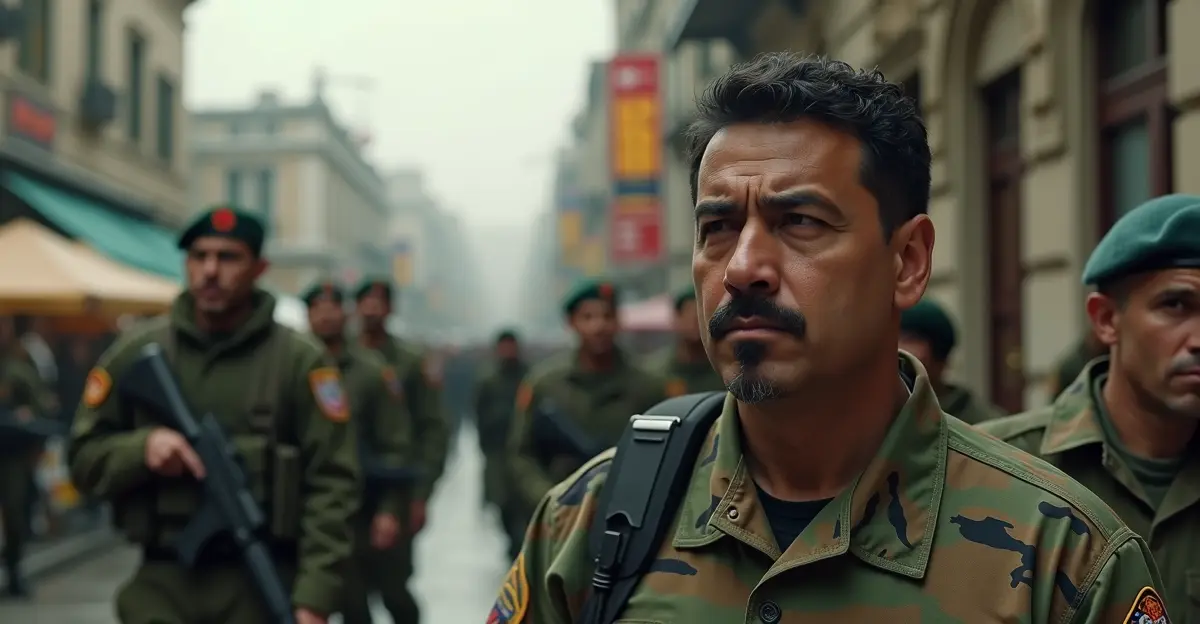
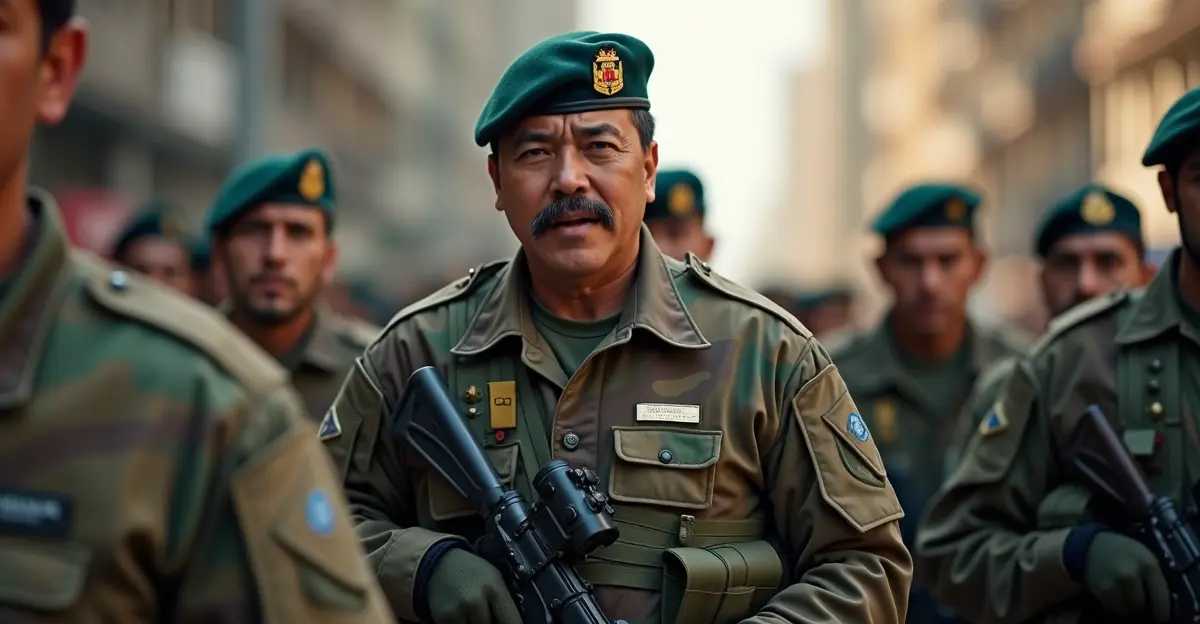
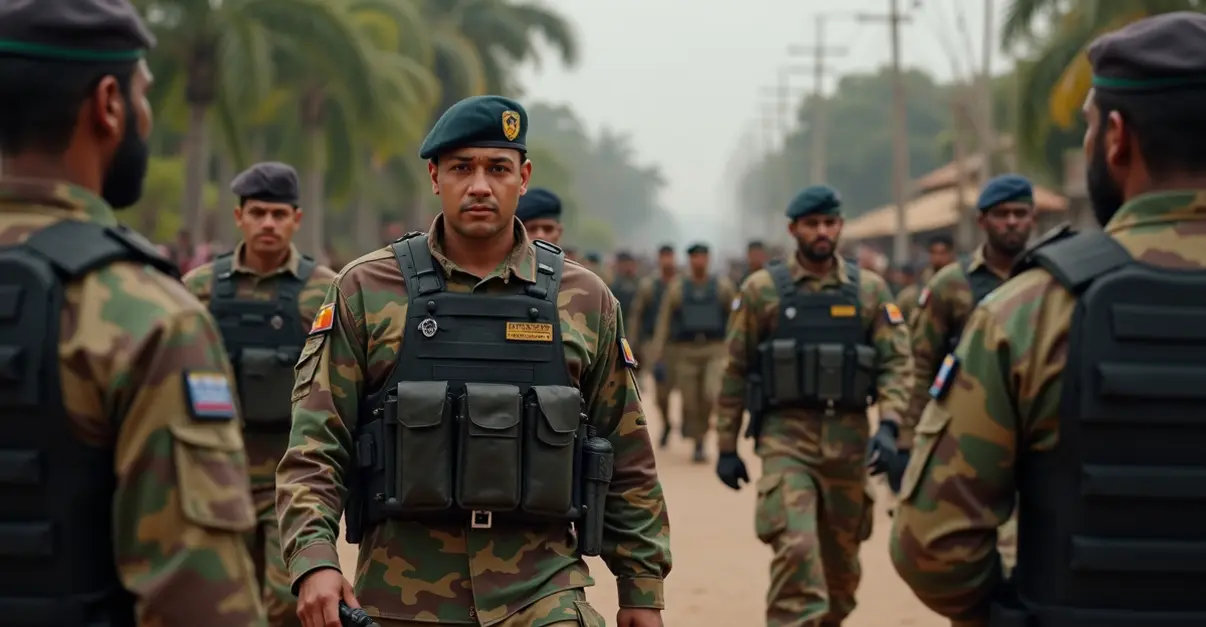
In Venezuela, the military has thrown its support behind Delcy Rodríguez, who assumed the role of acting president on orders from the Supreme Court. Defense Minister Vladimir Padrino described Maduro's capture as a 'cowardly kidnapping' and activated armed forces nationwide to repel what he called 'imperialist aggression' by the United States.
In a video address on Sunday, Padrino alleged that U.S. special forces had killed the president's bodyguards, soldiers, and civilians during the operation, which also involved large-scale airstrikes in the Caracas area. 'Venezuela's armed forces stand united behind our constitutional order and Acting President Rodríguez,' Padrino declared, signaling that any U.S. attempt to install a new government would face significant resistance.
Background: Delcy Rodríguez's Rise
Delcy Rodríguez, a 56-year-old lawyer and career politician, has been a central figure in Venezuelan politics for decades. According to her Wikipedia biography, she served as Venezuela's vice president from 2018 to 2026 and held several key positions including Minister of Foreign Affairs and head of the Bolivarian National Intelligence Service. Despite being sanctioned by the EU, U.S., and Canada for alleged human rights violations, Rodríguez managed to stabilize Venezuela's economy and increase oil production despite tough international sanctions.
Her brother, Jorge Rodríguez Gómez, currently serves as President of Venezuela's National Assembly, creating a powerful political dynasty that now faces its greatest challenge.
EU's Delicate Diplomatic Position
The EU's statement reflects the bloc's complex position on Venezuela. While the EU has consistently maintained that Maduro 'lacks the legitimacy of a democratically elected president' and has advocated for a Venezuelan-led transition to democracy, it now faces the dilemma of responding to unilateral U.S. military action that violates international norms.
European analysts note that the EU is walking a tightrope between supporting democratic principles and upholding international law, while also maintaining its relationship with the United States. The statement's emphasis on 'all actors' exercising restraint appears to be a subtle criticism of both Trump's threatening rhetoric and the Venezuelan military's mobilization.
Regional Implications and Next Steps
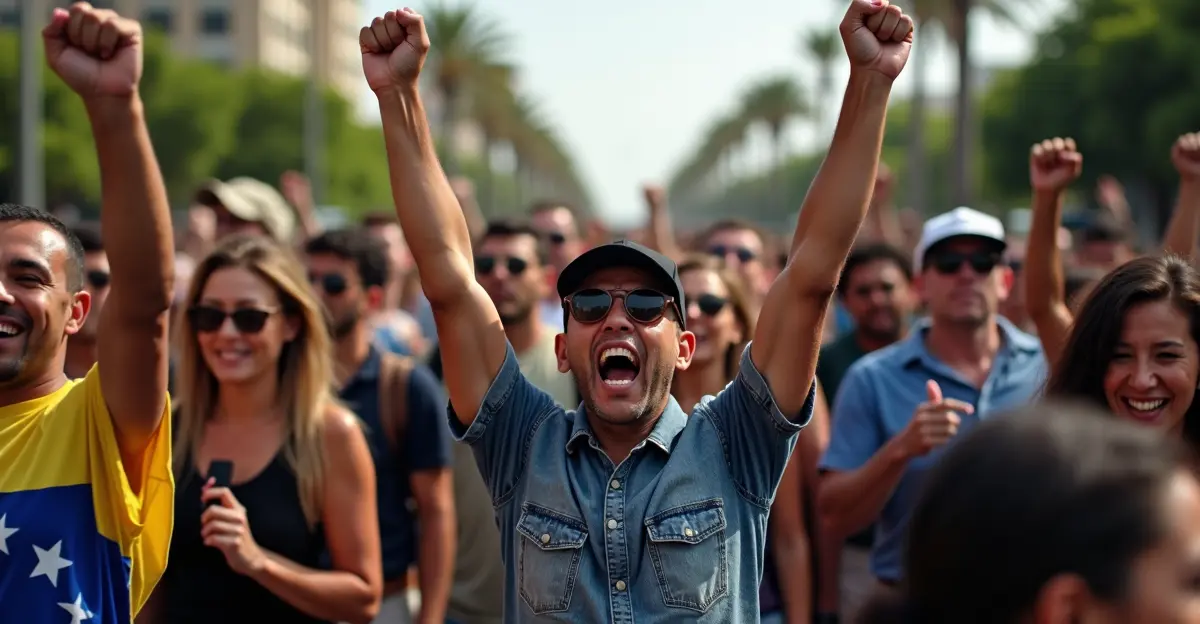
The crisis has sent shockwaves through Latin America, with neighboring countries watching nervously as events unfold. The EU has called for coordination with international partners to facilitate dialogue leading to a negotiated, democratic solution, while also demanding the unconditional release of all political prisoners in Venezuela.
As Maduro prepares for his court appearance in New York and Rodríguez consolidates power in Caracas, the international community faces difficult questions about sovereignty, intervention, and the future of democracy in Venezuela. The coming days will test whether diplomatic channels can prevail over military confrontation in resolving one of the hemisphere's most protracted political crises.