Nederlands
 English
 Deutsch
 Français
 Español
 Português
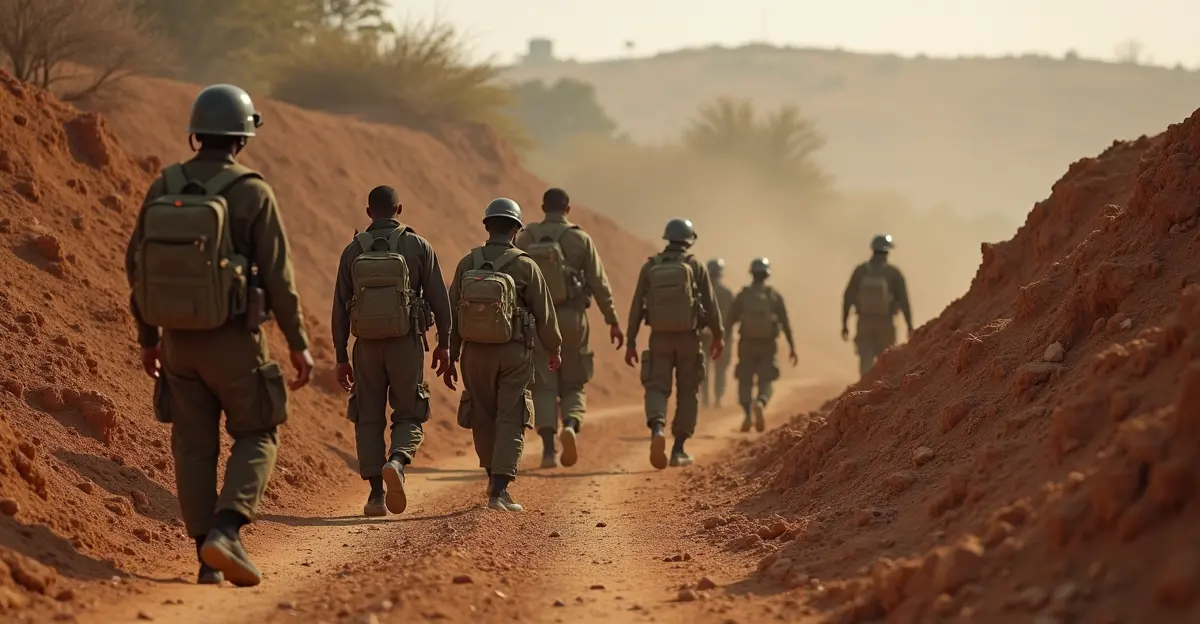





Chinese Embassy Issues Stark Warning Over Gold Mining Dangers
The Chinese embassy in the Central African Republic (CAR) has issued an unprecedented warning to its citizens about 'extreme dangers' they face in the country's gold mining sector. In a November 2025 advisory, the embassy detailed how Chinese nationals risk becoming 'mining slaves' through forced labor, kidnappings, and exploitation by armed groups and unscrupulous business partners.
'Chinese citizens in CAR face killings, kidnappings, fraud, and exploitation from armed groups and business partners, with some being lured into illegal mining operations only to be scammed or deported,' according to a report from Mining Focus Africa. The embassy specifically warned about staged 'car accidents' and 'hangings' following business disputes, as well as the practice of confiscating miners' documents to effectively enslave them.
Zimbabwe: Growing Backlash Against Chinese Mining Operations
The Central African Republic is not alone in experiencing tensions around Chinese mining activities. In Zimbabwe, public anger has been steadily growing against Chinese mining companies that control an estimated 90% of the country's mining industry. According to the Harare-based Centre for Natural Resource Governance (CNRG), Chinese mining companies extracted $2.79 billion worth of minerals in 2023 alone.
'The public outrage among Zimbabweans has steadily increased in recent years due to allegations against Chinese mining companies of serious crimes - ranging from murder, rape and forced evictions to pollution and loss of habitats - sometimes with little or no legal consequences,' reports Africa Defense Forum.
Environmental activists describe the situation as particularly dire. 'Chinese mining operations often occur in sensitive environments, circumvent regulations, lack transparency, and bribe officials to weaken their oversight role,' explains the CNRG in their research findings.
West Africa: Environmental Destruction and Criminal Networks
The Atlantic Council's comprehensive 2025 report on Chinese mining in West Africa paints an even broader picture of systemic problems. According to the think tank's research, Chinese mining activities - ranging from large-scale commercial operations to small-scale artisanal mining - are responsible for severe environmental damage across the region.
'In many West African countries, Chinese nationals involved in illegal artisanal mining collaborate with local and transnational criminal actors,' states the Atlantic Council report. The environmental impacts include soil degradation, ecosystem destruction, landslides, pollution, deforestation, biodiversity loss, desertification, and exacerbation of climate change.
Local communities report disproportionate cases of cancer, respiratory infections, waterborne diseases, reproductive disorders, skin conditions, asthma, spontaneous abortions, and birth defects linked to mining pollution. Workers are exposed to dangerous mercury, cyanide, arsenic, and fluoride without proper protective equipment.
Economic Drivers and Regional Implications
The surge in Chinese mining activity across Africa comes amid slowing economic opportunities in China itself, driving workers to seek employment in sub-Saharan Africa. Rising gold prices and state-backed purchases have made African mining particularly attractive. The Central African Republic, despite its vast mineral wealth including gold, diamonds, and oil, suffers from weak oversight and poor law enforcement, making it a hotspot for illegal mining operations.
According to Reuters, the Chinese government has provided over $26 million in loans to CAR, creating complex economic dependencies. The embassy's warning urging all Chinese nationals to leave CAR immediately, especially areas outside the capital Bangui, represents a significant shift in Beijing's approach to citizen safety abroad.
The Atlantic Council report concludes that transnational criminal networks are destabilizing mining areas and undermining trust in both local and national governance. 'Illegal mining has also become a funding source for armed groups and terrorists, such as Boko Haram and bandits in Nigeria's Zamfara state,' the report notes, highlighting the security implications of unregulated mining activities.
As African nations grapple with balancing economic development against environmental protection and social justice, the Chinese mining presence continues to generate complex challenges that extend far beyond simple economic transactions.