
 Deutsch
 English
 Español
 Français
 Nederlands
 Português







What is Happening with Central Bank Gold Reserves?
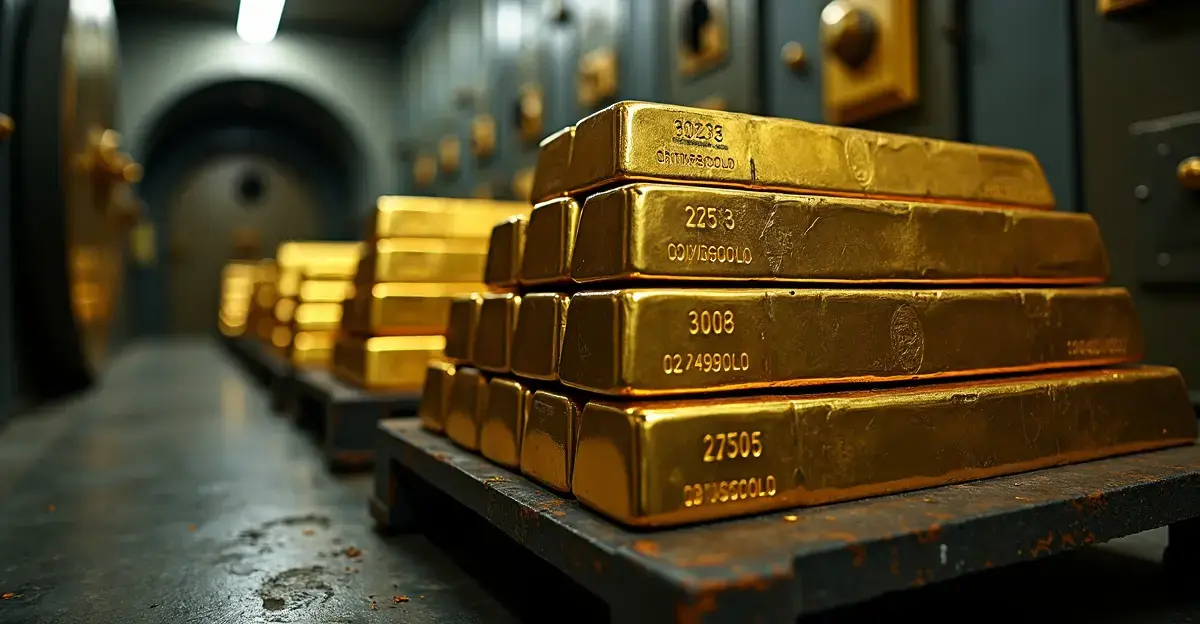
Central banks worldwide are undergoing a historic shift in their gold reserve management strategies as the Iran conflict enters its third month in 2026. For the first time in decades, major financial institutions are selling significant portions of their gold holdings to address liquidity crises caused by soaring oil prices and currency volatility. This unprecedented move represents a fundamental change from the long-standing trend of gold accumulation that characterized the post-2008 financial era.
Why Are Central Banks Selling Gold Now?
The Iran war has created a perfect storm of economic pressures forcing central banks to liquidate their gold reserves. Since February 2026, when coordinated U.S. and Israeli strikes on Iranian targets escalated the conflict, global oil prices have surged dramatically. West Texas Intermediate Crude has jumped from $57 to over $98 per barrel, while Brent Crude has surpassed $110. This oil shock has created severe liquidity problems for importing nations, particularly emerging markets that face currency volatility and inflation pressures.
'Central banks that were gold's strongest buyers are now becoming involuntary sellers,' explains a market analyst from Investing.com. 'This represents a major supply shock in the gold market, with price-insensitive institutional supply entering at a time when geopolitical risk would typically drive gold higher.'
The Three Main Drivers of Gold Sales
Financial experts identify three primary factors driving this unprecedented gold sell-off:
- Fiscal Imperatives: Sanctioned nations like Russia need to finance budget deficits and maintain liquidity
- Currency Defense: Emerging markets like Turkey must stabilize their currencies against dollar strength
- Strategic Capital Reallocation: Nations like Poland require funds for defense spending amid regional tensions
Case Studies: Poland, Russia, and Turkey
Poland's Strategic Pivot
Poland, which was the world's largest central bank gold buyer in 2024-2025, is now considering a strategic shift to sell up to $13 billion worth of its approximately 550-ton gold reserves. This potential pivot from accumulation to divestment aims to double Poland's defense budget amid escalating regional tensions. The plan, backed by Polish President Andrzej Duda, involves either direct gold sales or legal changes to allow revaluation of existing gold holdings to unlock value for military spending.
Russia's Consistent Selling
Russia has been consistently selling gold since 2025, with reports indicating 15 tons sold in January and February 2026 alone. The Russian National Wealth Fund, which held 405.7 tonnes at the beginning of the war, now maintains only 173.1 tonnes as of November 2025. This selling strategy helps maintain liquidity while preserving physical reserves, similar to the approach seen during the 2025 crypto market crash when institutions liquidated assets.
Turkey's Currency Stabilization Efforts
Turkey has drawn down approximately 60 tonnes of gold (worth $8 billion) to support the Turkish lira, reaching its lowest gold reserve level in two years. With inflation running at concerning levels, the Turkish central bank is using gold sales as a tool to stabilize its currency and combat inflationary pressures, a strategy reminiscent of emerging market currency crises of previous decades.
Market Impact and Gold Price Dynamics
The central bank selling has contributed to gold's 21% decline from its January 2026 all-time high of $5,596 to around $4,428 per ounce. Despite this decline, gold remains up nearly 2% year-to-date after gaining 64% in 2025. The selling pressure comes at a time when geopolitical risk would typically drive gold higher, fundamentally altering the market's demand-supply dynamics.
'This regime shift has created a major supply shock in the gold market,' notes a World Gold Council representative. 'We're seeing price-insensitive institutional supply entering the market, which is unusual during periods of geopolitical tension.'
Regional Divergence: East vs. West Strategies
While Western and emerging market central banks are selling, Asian economies led by China and India continue robust gold accumulation as part of de-dollarization strategies. The World Gold Council reports most central banks still plan to increase gold exposure over the next year, highlighting gold's evolving role from passive reserve to active monetary survival tool.
This divergence reflects broader changes in the global financial architecture, with pricing power shifting toward geopolitical risk premium models rather than traditional interest rate frameworks. The gold market is experiencing a structural shift from West to East, similar to trends observed in global trade patterns following recent geopolitical realignments.
Future Outlook and Implications
Financial analysts predict that more central banks, particularly among oil-importing nations like India and Central Asian countries, may follow the selling trend if oil prices remain elevated. However, the long-term outlook for gold remains positive, with major banks like J.P. Morgan forecasting $6,300 per ounce and Deutsche Bank predicting $6,000 by the end of 2026.
The current situation highlights gold's dual role as both a safe-haven asset and a strategic war chest for national security needs. As geopolitical tensions continue to shape global economic policies, central banks are re-evaluating their reserve management strategies in unprecedented ways.
Frequently Asked Questions
Why are central banks selling gold during a war?
Central banks are selling gold to address liquidity crises caused by soaring oil prices, stabilize currencies, and finance defense spending. The Iran war has created economic pressures that force institutions to liquidate reserves despite gold's traditional safe-haven status.
How much has gold dropped in price?
Gold has declined 21% from its January 2026 all-time high of $5,596 to around $4,428 per ounce as of April 2026, though it remains up nearly 2% year-to-date.
Which countries are leading the gold sales?
Poland, Russia, and Turkey are the most prominent sellers, with Poland considering $13 billion in sales, Russia selling consistently since 2025, and Turkey drawing down 60 tonnes to support its currency.
Will Asian central banks also sell gold?
No, Asian economies like China and India continue accumulating gold as part of de-dollarization strategies, creating a regional divergence in gold reserve management.
What is the long-term outlook for gold prices?
Major banks remain bullish, with J.P. Morgan forecasting $6,300 per ounce and Deutsche Bank predicting $6,000 by the end of 2026, despite current selling pressure.
Sources
Investing.com Analysis
CNBC Gold Report
Poland Gold Strategy
Fidelity Market Analysis


Follow Discussion