


 Deutsch
 English
 Español
 Français
 Nederlands
 Português


 Share
Share




Precious Metals Soar to Unprecedented Levels
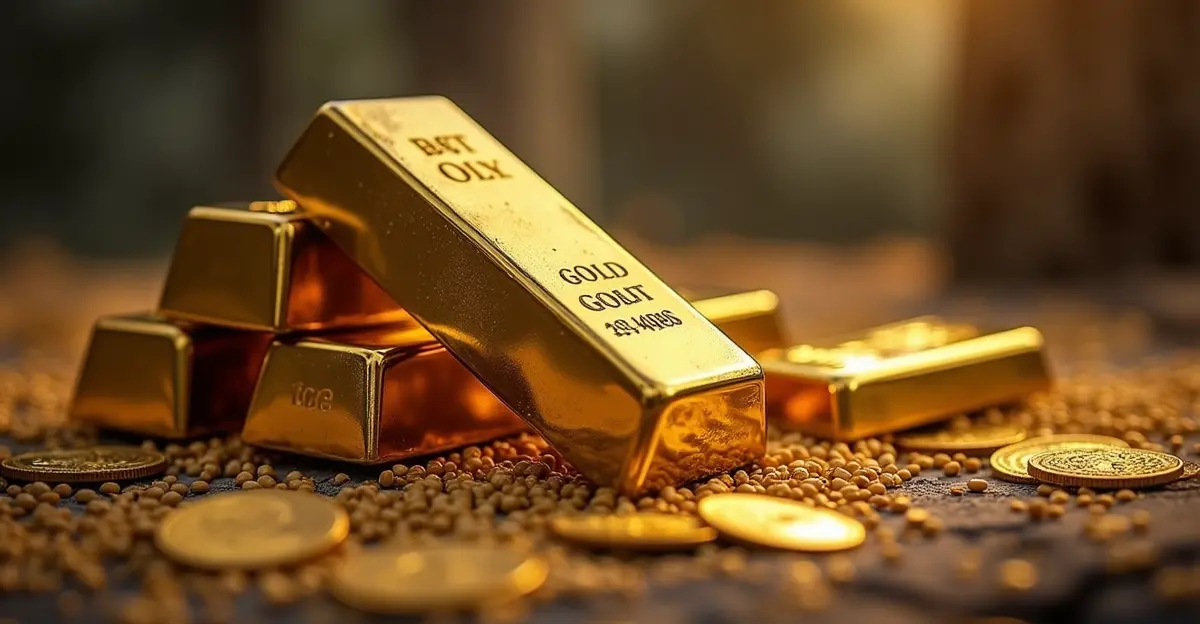
Gold and silver prices have been breaking records throughout 2025 and into early 2026, with gold surpassing $5,500 per ounce and silver reaching an astonishing $119.3 per ounce. This represents a 145% gain for silver in 2025 alone, while gold has surged approximately 65-67% to approach the $5,000 mark. The rally comes as geopolitical tensions escalate and the US dollar appears to be losing its status as a safe haven currency.
What's Driving the Surge?
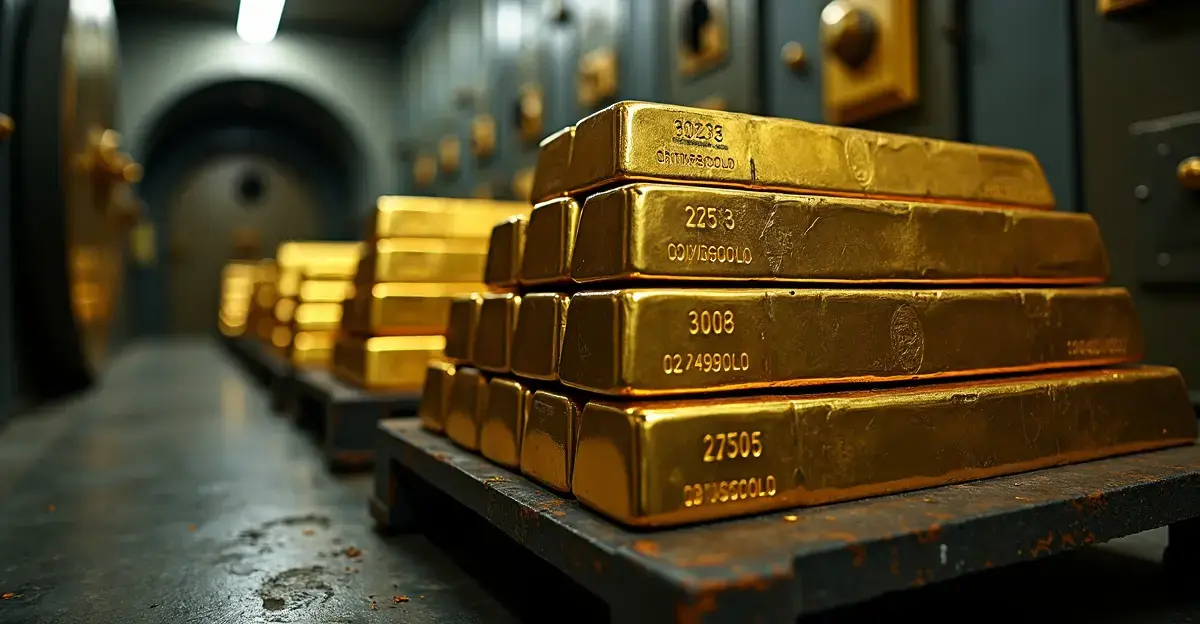
The cocktail of geopolitical unrest, rising US government debt, and uncertainty about interest rates and currency outlooks has sent investors flocking to precious metals. Central banks have been massive buyers, with over 3,200 tons purchased between 2022-2024 according to market data. Ed Yardeni of Yardeni Research, who predicted the gold surge early in 2025, notes that 'This has led to strong price increases across all precious metals, and even many base metals and rare earth elements.'
Silver's rally has been particularly dramatic, partly because of its dual role as both a monetary metal and an industrial commodity. The metal is essential for solar energy production and electronics manufacturing, creating additional demand pressure.
A 'Broken' Market Structure
Despite the seemingly bullish environment, analysts are raising serious concerns about market functionality. Nicky Shiels of MKS PAMP has described the precious metals market as 'broken' due to unprecedented volatility. The problem, according to experts, is that prices are being driven less by physical supply and demand fundamentals and more by volatile liquidity flows.
'Precious metal prices have risen too quickly and too strongly over the past two months,' explains Shiels. 'Many investors have already bought, making a pause or price correction more likely than further increases.'
Dollar Weakness and Speculative Capital
Maximilian Tomei, CEO of Galena Asset Management, observes that recent price movements have little to do with fundamental factors like physical demand. 'The movement is mainly caused by the weakened position of the dollar,' he states. The dollar index has fallen nearly 11% over the past twelve months, making dollar-denominated assets like gold appear cheaper to international buyers.
Tomei adds that 'the way the silver market behaves is exaggerated, the market is disrupted' and describes it as 'a series of disconnects.' He points to excessive liquidity flowing through global markets as another driver of price inflation.
Market Mechanics Under Strain
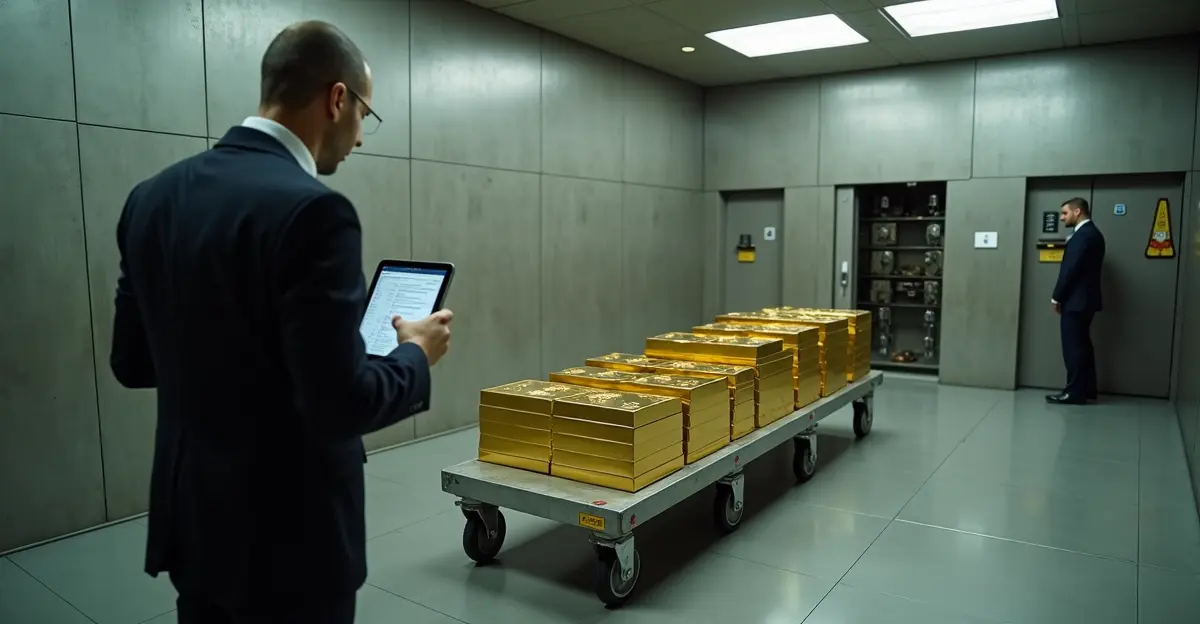
The physical bullion market is experiencing severe bottlenecks, with refiners overwhelmed by scrap inflows and processing backlogs. Many have temporarily stopped accepting new orders or are throttling specific categories of intake. Dealers are pulling back due to unpriceable replacement risk in volatile markets, resulting in widened bid-ask spreads and limited availability.
Guy Wolf, global head of market analysis at financial services platform Marex, notes that price formation in parts of the precious metals market is becoming increasingly distorted. Because markets for silver and platinum are much smaller than those for gold or major stock indices like the S&P 500, the recent influx of speculative capital has an outsized impact on prices.
Not Everyone Agrees on 'Broken' Label
Not all analysts agree that price discovery has completely collapsed. Gautama Varma, managing director of strategic advisory firm V2 Ventures, is hesitant to label the precious metals market as broken outright. However, he acknowledges the growing influence of speculative capital. 'What you see is that much more speculative capital has entered the game,' Varma notes.
According to CNBC's analysis, thin market depth means modest inflows create outsized price movements, with silver's behavior described as 'exaggerated' and 'a series of disconnects.' While central bank buying and industrial demand support fundamentals, the magnitude of gains suggests markets are being distorted by excess liquidity seeking alternative investments.
What's Next for Investors?
Major institutions have raised their targets, with Goldman Sachs forecasting gold at $5,400 and JPMorgan at $5,055. However, both metals show extreme overbought momentum indicators, with potential corrections of 5-20% possible. The 2026 outlook suggests consolidation within a $4,500-$5,500 trading range for gold, with tactical pullbacks offering buying opportunities.
The precious metals market faces a critical juncture: will it return to fundamentals-driven pricing, or has it entered a new era where speculative flows dominate? For now, investors should brace for continued volatility as the market grapples with these structural tensions.

Follow Discussion