


 Deutsch
 English
 Español
 Français
 Nederlands
 Português


 Share
Share




The Future of Clean Air Has Arrived
Scientists have developed revolutionary bioengineered trees that act as powerful natural air filters. These synthetic plants, enhanced through cutting-edge biotechnology, can remove pollutants like formaldehyde, benzene, and nitrogen oxides from the atmosphere with unprecedented efficiency.
How Bioengineered Trees Work
The technology involves modifying plant microbiomes through a process called directed evolution. Researchers identify naturally occurring pollutant-absorbing bacteria in plants like willow trees and pothos, then enhance their capabilities in laboratory settings. The supercharged microorganisms are reintroduced to host plants, creating living air purification systems.
Real-World Applications
French startup Neoplants has pioneered this technology with their Neo Px system. Their bioengineered pothos plant, boosted by proprietary Power Drops microbial solution, removes toxins 30 times more effectively than regular houseplants. One Neo Px unit can purify air in 160 square feet of space.
Urban Implementation
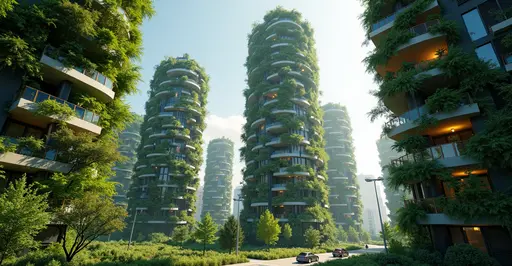
Major cities are testing these enhanced trees along highways and industrial zones. Early results show reduced pollution levels near bioengineered willow groves in Paris and Berlin. The trees require no electricity, working 24/7 to convert pollutants into harmless organic matter.
Future Developments
Researchers at MIT are developing larger-scale versions for urban forests. "By 2030, we envision pollution-absorbing tree lines surrounding every major city," says Dr. Elena Rodriguez, lead researcher at GreenTech Innovations. The next generation will target microplastics and carbon capture.
While the technology shows immense promise, experts emphasize it complements rather than replaces emission reduction efforts. As climate challenges intensify, bioengineered nature offers a powerful tool for cleaner air.





Follow Discussion