


 Deutsch
 English
 Español
 Français
 Nederlands
 Português


 Share
Share




The Rise of Vertical Forests
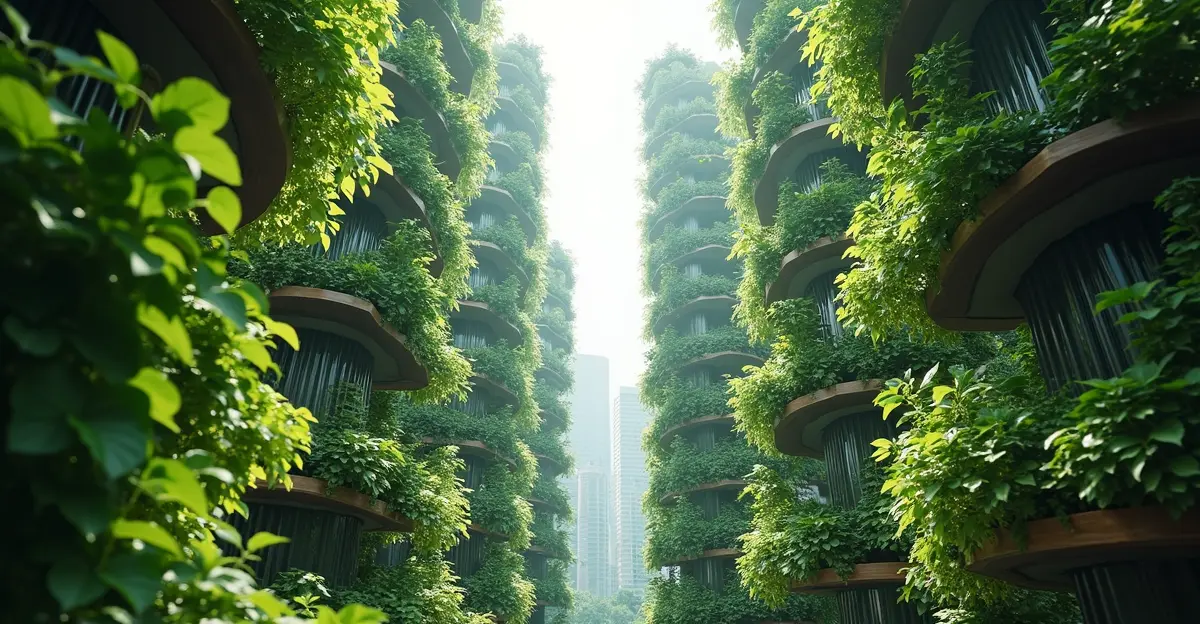
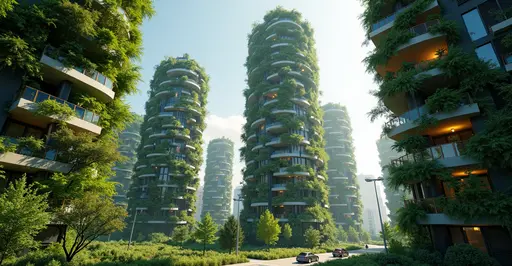
Imagine living in a skyscraper where trees grow outside your window, birds nest on your balcony, and the air feels fresh despite being in a concrete jungle. This isn't science fiction – it's the reality of vertical forests, an architectural revolution transforming cities worldwide. The concept, pioneered by Italian architect Stefano Boeri with Milan's Bosco Verticale (Vertical Forest), has exploded in popularity as urban planners combat climate change and biodiversity loss.
How Vertical Forests Work
These living buildings incorporate thousands of plants directly into their facades. Milan's original towers host 800 trees, 4,500 shrubs, and 20,000 plants across two residential buildings. The vegetation isn't just decorative – it's structural. Engineers create reinforced balconies with special soil containers, while botanists select species that thrive at different heights and sunlight exposures. Maintenance involves "flying gardeners" who rappel down facades for trimming, while automated irrigation systems recycle greywater.
Environmental Superpowers
Vertical forests aren't just pretty – they're ecological powerhouses:
- Air purification: Each square meter of green facade absorbs 7kg of CO2 annually
- Temperature control: Surface temps drop by up to 30°C compared to glass towers
- Biodiversity havens: Milan's towers host 20+ bird species and 1,600+ insects
- Stormwater management: Plants absorb 30% more rainwater than conventional roofs
The 2025 Boom
This year marks a vertical forest explosion. Utrecht's Wonderwoods Vertical Forest just inaugurated its mixed-use towers featuring 10,000 plants and 360 trees. China's Liuzhou Forest City (designed by Boeri) will house 30,000 residents amidst 40,000 trees when completed this fall. New projects are breaking ground in Cairo, Mexico City, and Singapore, adapting the concept to local climates.
Challenges and Innovations
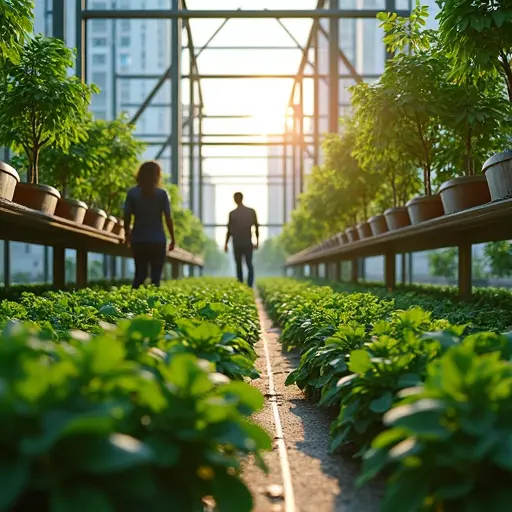
Early concerns about maintenance costs and plant survival have led to tech innovations. Sensors now monitor soil moisture and nutrient levels in real-time. Singapore's upcoming CapitaSpring Tower uses AI to optimize irrigation, while Rotterdam's Green Cloud project experiments with edible vertical gardens. Developers report residents pay 15-20% premiums for these units, offsetting construction costs.
The Future of Urban Living
As Stefano Boeri stated: "We're not just building houses for humans, but habitats for entire ecosystems." With 70% of humans projected to live in cities by 2050, vertical forests offer a blueprint for sustainable urban expansion. The next frontier? Combining them with renewable energy systems to create truly self-sustaining biotowers.

Follow Discussion