


 Deutsch
 English
 Español
 Français
 Nederlands
 Português


 Share
Share




Insect Hotels: A Haven for Urban Biodiversity
Insect hotels, also known as bug hotels or insect houses, are manmade structures designed to provide shelter for beneficial insects. These structures are gaining popularity among gardeners and urban planners as a means to support pollinators and enhance urban biodiversity.
The Purpose of Insect Hotels
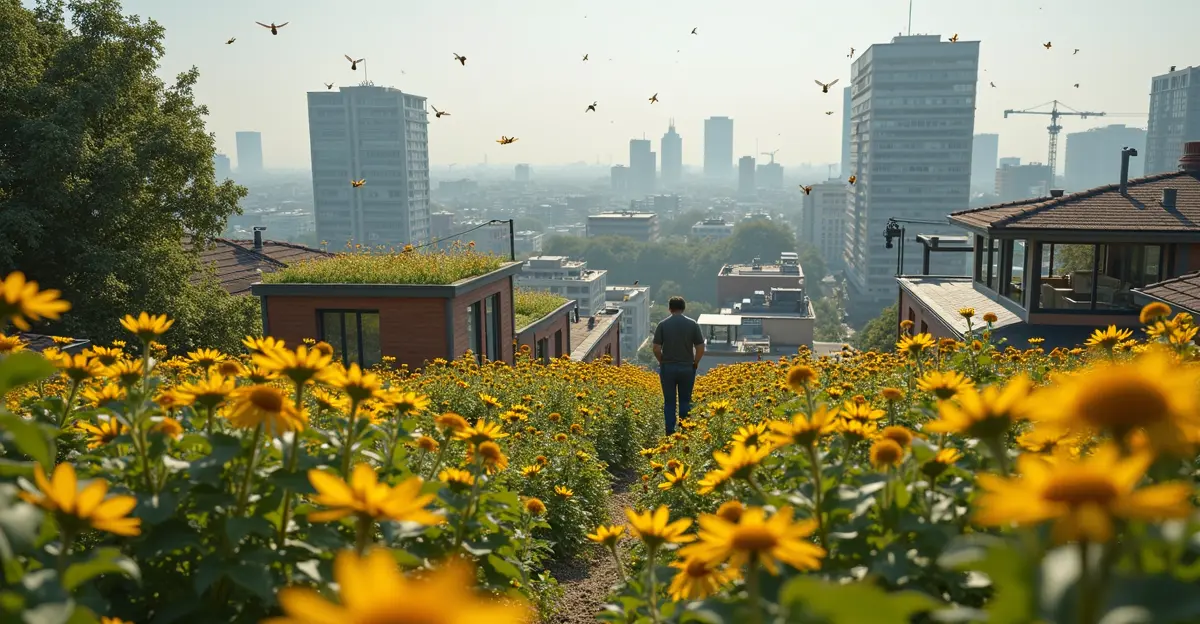
Insect hotels serve as nesting sites for solitary bees, wasps, and other beneficial insects. They offer refuge during winter and encourage pollination, which is vital for plant reproduction and ecosystem health. By introducing these structures into urban and suburban environments, we can improve soil quality, increase pollination rates, and reduce harmful insect populations.
Designing an Insect Hotel
Insect hotels can be crafted from a variety of materials, including wood, bamboo, and dry stone walls. Different sections cater to specific insects, such as solitary bees, which prefer drilled holes of varying diameters. Ready-made insect hotels are also available at garden centers and conservation organizations.
Promoting Ecological Gardening
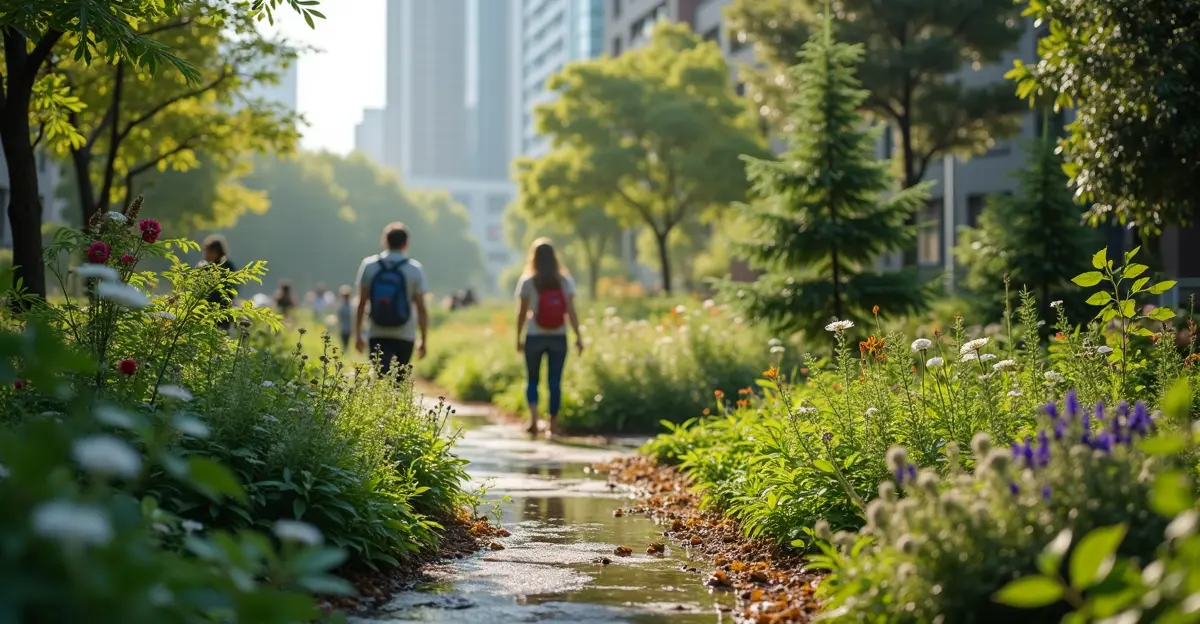
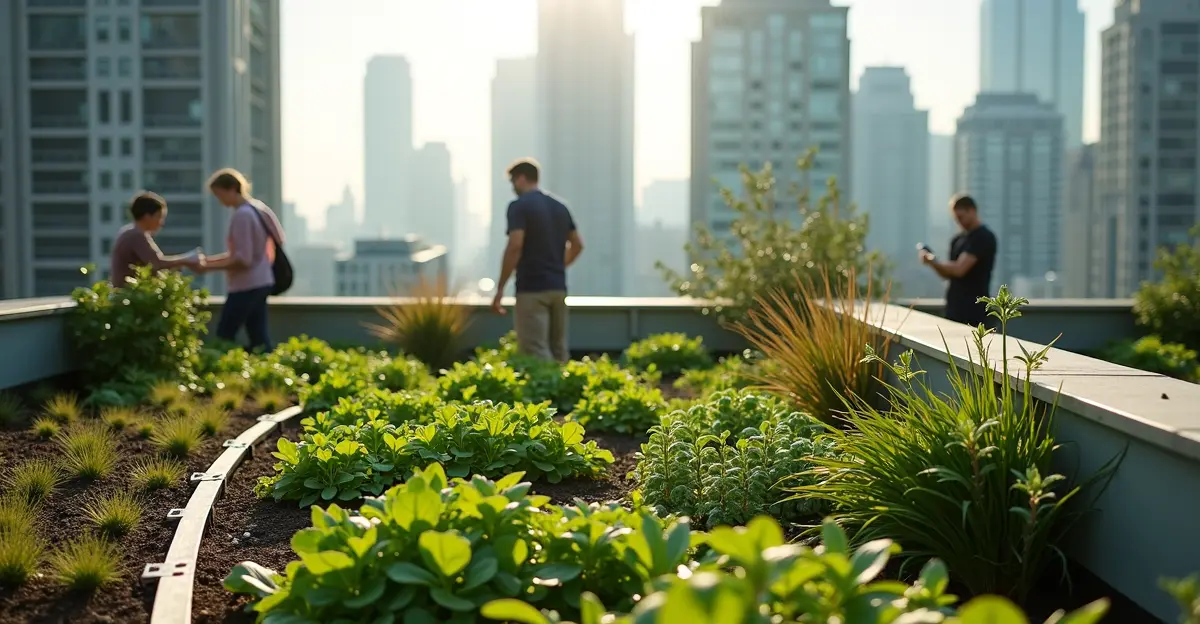
Ecological gardening practices, such as installing insect hotels, are essential for supporting pollinators like bees and butterflies. These efforts contribute to urban biodiversity and help combat the decline of pollinator populations caused by habitat loss and pesticide use.
For more information on how to build or purchase an insect hotel, visit 3Bee's Urban Biodiversity Project.
Follow Discussion