Nederlands
 English
 Deutsch
 Français
 Español
 Português





Major Federal Initiative Aims to Combat Urban Heat Islands
In a significant move to address climate inequities, federal agencies have announced a new round of urban cooling grants specifically targeting vulnerable communities for 2026. The Climate Smart Communities Initiative (CSCI) is leading this effort with a $1.5-2 million funding pool designed to help historically disinvested neighborhoods combat extreme heat through innovative cooling strategies.
Addressing Climate Justice Through Targeted Funding
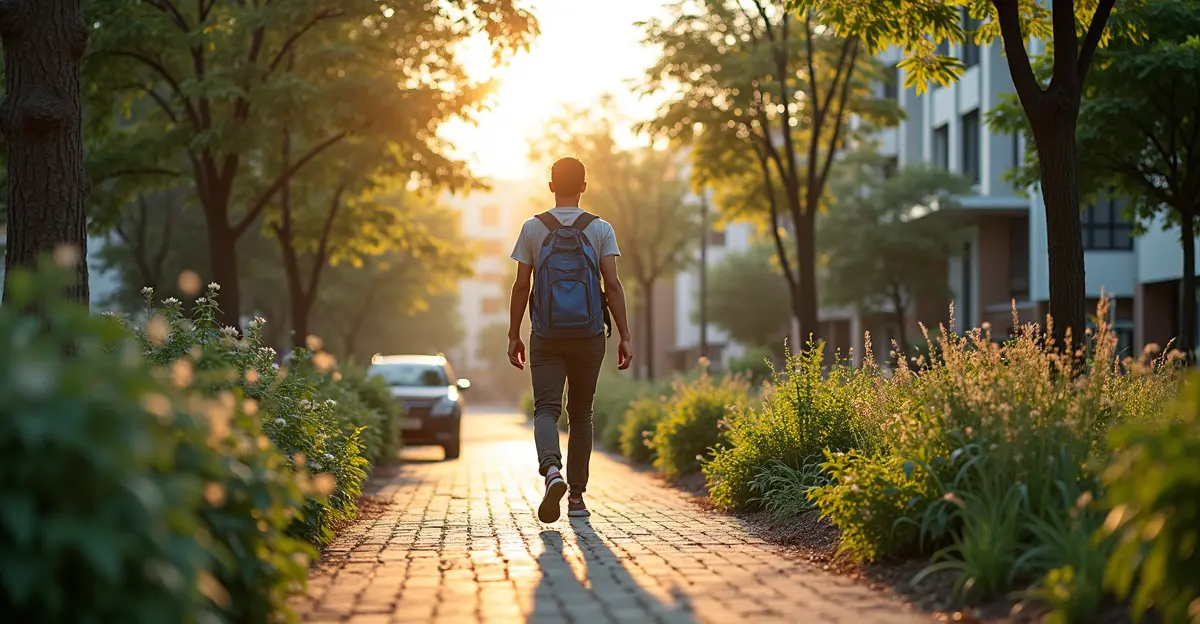
The grants, ranging from $75,000 to $115,000 each, prioritize communities facing disproportionate climate impacts. 'This isn't just about planting trees—it's about addressing decades of environmental injustice,' says Dr. Maria Rodriguez, a climate policy expert at UCLA's Center for Heat Resilient Communities. 'Urban heat islands don't affect everyone equally. Low-income neighborhoods with less green space can be up to 15°F hotter than wealthier areas just a few miles away.'
The program requires applicants to form collaborative teams including adaptation practitioners, local government representatives, and community-based organizations. This approach ensures that solutions are both technically sound and community-driven. 'We've learned that top-down approaches don't work for heat resilience,' explains Rodriguez. 'Communities know their own needs best, and these grants empower them to develop locally appropriate solutions.'
Nature-Based Solutions Take Center Stage
Successful projects will likely focus on nature-based cooling strategies including increased tree canopy, green roofs, permeable pavements, and urban water features. Research from the Kleinman Center for Energy Policy shows that solar-powered cooling shelters can reduce mean radiant temperatures by 20°C (35°F) in vulnerable neighborhoods like Philadelphia's Hunting Park area.
New York City's Cool Neighborhoods program serves as a model, having invested over $100 million in tree planting and installed more than 10 million square feet of reflective cool roofs. 'Our data shows these interventions can reduce indoor temperatures by up to 30%,' says NYC's Chief Resilience Officer. 'But more importantly, they create local jobs and build community capacity.'
Application Process and Deadlines
The CSCI grant application deadline is March 12, 2026, with practitioner registry applications due by February 1, 2026. Eligible communities must have populations under 300,000 (500,000 for regional projects) and demonstrate significant climate vulnerability. The program emphasizes equity, with priority given to communities with historically disinvested populations.
Other federal opportunities include NOAA's Transformational Habitat Restoration and Coastal Resilience Grants (deadline January 30, 2026) and EPA's Environmental Justice Collaborative Problem-Solving Program (anticipated deadline February 15, 2026). These complementary programs create a comprehensive federal approach to urban cooling challenges.
Broader Implications for Policy and Markets
The announcement signals a shift in federal climate policy toward more targeted, equity-focused interventions. 'This represents a maturation of climate adaptation policy,' notes environmental policy analyst James Chen. 'We're moving beyond one-size-fits-all approaches to recognize that climate impacts are deeply intertwined with social and economic inequalities.'
The grants also create market opportunities for green infrastructure companies, landscape architects, and environmental consultants. With climate projections showing nearly 970 cities worldwide experiencing average summer highs of 95°F by 2050, urban cooling solutions represent a growing sector of the green economy.
For vulnerable communities, these grants offer more than just temperature relief—they represent a pathway to greater climate resilience, economic opportunity, and environmental justice. As cities prepare for hotter futures, targeted cooling investments may prove crucial for protecting public health and building more equitable urban environments.