


 Deutsch
 English
 Español
 Français
 Nederlands
 Português


 Share
Share




New Federal Initiative Prioritizes Heat-Stricken Neighborhoods
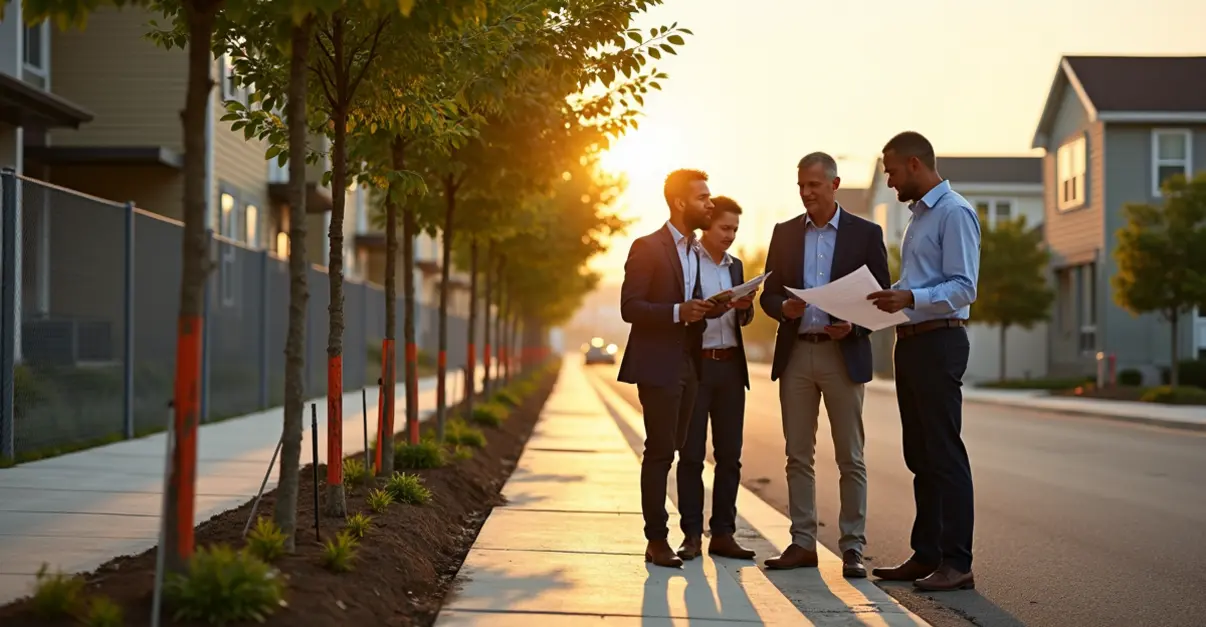
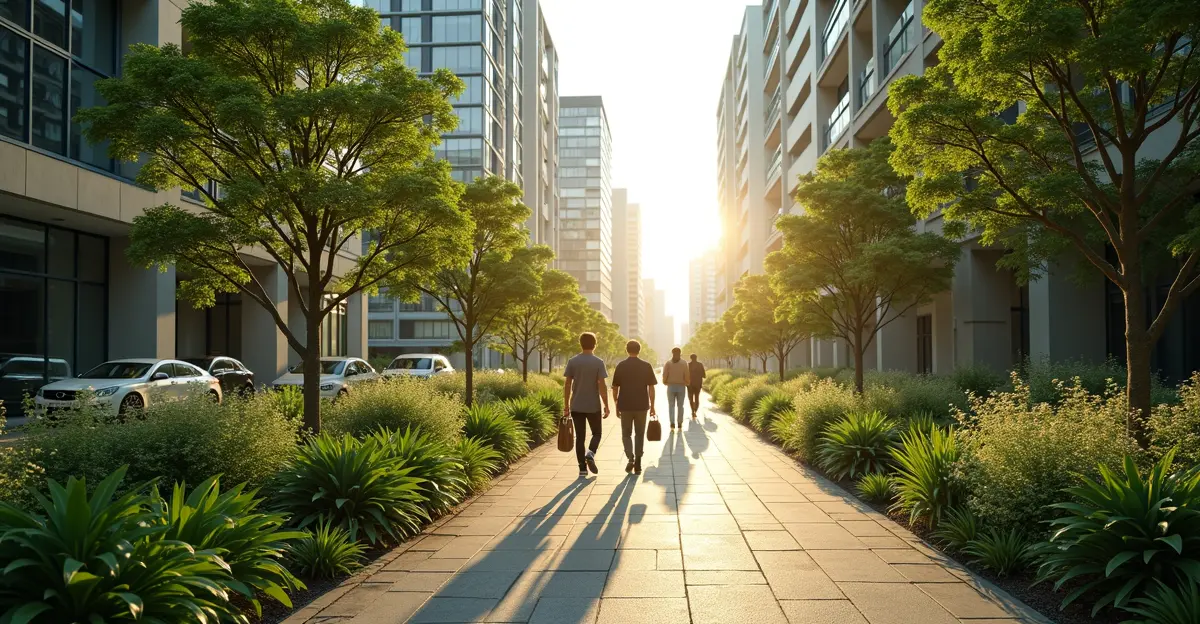
In a significant move to combat the growing urban heat island crisis, federal and state governments are rolling out new grant programs specifically designed to prioritize vulnerable communities for cooling interventions. With cities experiencing temperatures up to 20°F hotter than surrounding rural areas, these initiatives aim to deploy shade trees, cool roofs, and other heat mitigation strategies where they're needed most.
'This isn't just about comfort—it's about survival for our most at-risk residents,' says Dr. Maria Rodriguez, an urban climate researcher at Boston University. 'We're seeing heat-related hospitalizations skyrocket in low-income neighborhoods that lack green space and have aging infrastructure.'
Funding Criteria Focus on Equity
The new grant programs, including California's Extreme Heat and Community Resilience Program (EHRGP) and New Jersey's $5 million Urban Heat Island Mitigation Program, use specific equity-based criteria to direct resources. Communities are prioritized based on multiple factors including historical disinvestment, percentage of low-income residents, existing tree canopy coverage, and documented heat-related health incidents.
According to the New Jersey program announcement, funding targets three project types: major neighborhood revitalization (up to $1 million each), public building upgrades (up to $500,000 each), and community-led micro-climate interventions (up to $50,000 each).
Cool Roofs vs. Shade Trees: The Strategic Balance
Recent research from Boston University provides crucial guidance for grant applicants. The study, detailed in multiple publications, reveals that while trees provide 35% more cooling where they can be planted, cool roofs are often more practical in densely built areas with limited space.
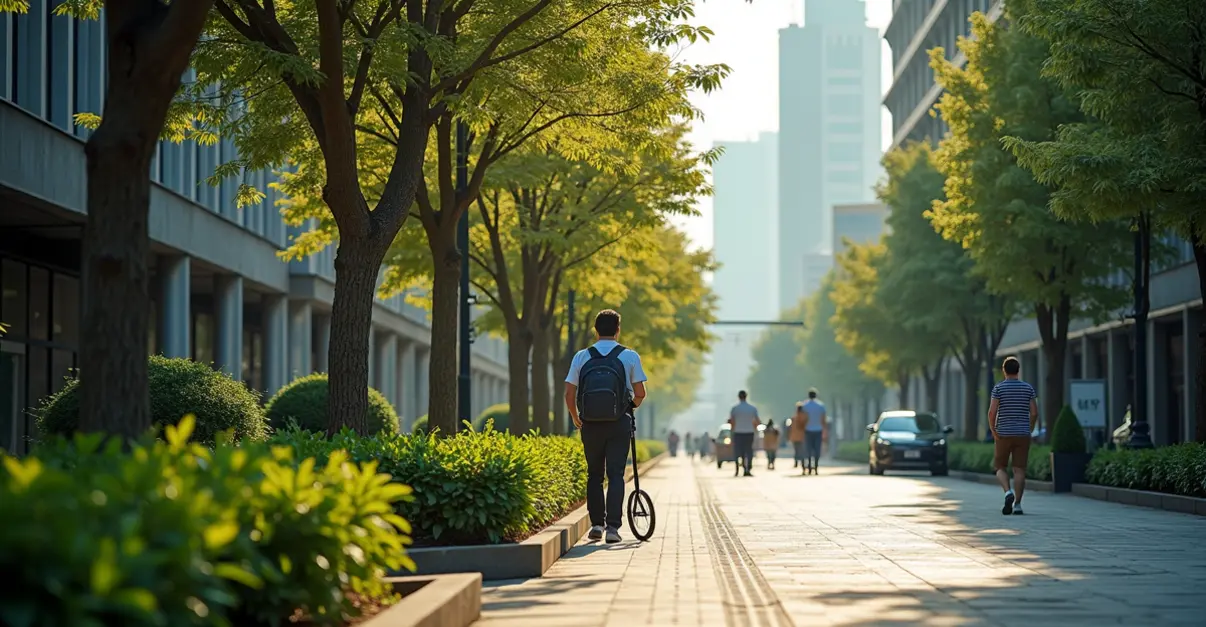
'The optimal strategy varies by neighborhood,' explains urban ecologist Dr. James Chen. 'In areas with available planting space, trees offer superior cooling through shade and evapotranspiration. But in concrete-dominated districts with flat roofs, reflective coatings can reduce indoor temperatures by 2-6°F and cut cooling demand by up to 27%.'
The Boston study found that investing $34 million in 2,500 new trees and 3,000 cool roofs in targeted vulnerable areas could reduce heat exposure for nearly 80,000 residents, lowering afternoon air temperatures by over 1°F.
Project Timelines and Implementation
Grant programs follow structured timelines, with most 2026 initiatives opening applications in early 2026 and requiring implementation within 12-24 months. The Climate Smart Communities Initiative, for example, has key deadlines including February 1, 2026 for practitioner registry applications and March 12, 2026 for grant submissions.
Successful projects typically follow a phased approach: community assessment and heat mapping (months 1-3), design and planning (months 4-6), implementation (months 7-18), and monitoring/evaluation (months 19-24).
Addressing the Urban Heat Island Crisis
Urban heat islands occur when cities become significantly warmer than surrounding rural areas due to human-modified surfaces, reduced vegetation, and waste heat from energy usage. According to Wikipedia data, urban areas occupy just 0.5% of Earth's land surface but host more than half the world's population, making this a critical public health issue.
The temperature difference is usually larger at night and most apparent during summer months with weak winds. This phenomenon increases air pollution, strains electrical grids during heat waves, and disproportionately affects vulnerable populations.
Looking Ahead: 2026 Funding Landscape
With the Climate Smart Communities Initiative offering $1.5-2 million in total funding for 2026, and individual grants ranging from $75,000 to $115,000, communities have significant opportunities to address heat vulnerability. The program specifically prioritizes historically disinvested populations facing significant climate impacts.
'What's different about these new grants is the explicit focus on equity,' notes climate policy expert Sarah Johnson. 'Previous programs often went to communities with the capacity to apply, not necessarily those with the greatest need. Now we're seeing criteria that ensure resources reach the neighborhoods suffering most from extreme heat.'
As cities prepare for another record-breaking summer, these targeted cooling grants represent a crucial step toward climate justice and urban resilience. With proper implementation, they could save lives, reduce energy costs, and create more livable cities for all residents.



Follow Discussion