


 Deutsch
 English
 Español
 Français
 Nederlands
 Português


 Share
Share




Urban Cooling Grants 2026: Complete Guide to Federal Heat Island Mitigation Funding
In a landmark move to combat rising urban temperatures and protect vulnerable communities, the Biden-Harris Administration has announced comprehensive urban cooling grants for 2026, representing a significant federal investment in heat island mitigation strategies. These grants, totaling billions of dollars across multiple agencies, aim to address the growing urban heat crisis that affects over 80% of Americans living in cities. The funding comes at a critical time as cities worldwide experience unprecedented heat waves, with urban areas warming at twice the global rate due to the urban heat island effect phenomenon.
What Are Urban Cooling Grants?
Urban cooling grants are federal funding programs designed to help cities implement strategies that reduce urban heat island effects. These effects occur when urban areas become significantly warmer than their rural surroundings due to human activities and infrastructure. The grants support a range of interventions including tree planting, green roof installation, cool pavement applications, and community cooling centers. According to recent data, cities can be up to 7°C (12°F) warmer during the day and 12°C (22°F) warmer at night compared to surrounding rural areas, creating dangerous conditions for vulnerable populations.
Key Federal Programs and Funding Breakdown
EPA Greenhouse Gas Reduction Fund
The Environmental Protection Agency (EPA) has allocated $20 billion from the Greenhouse Gas Reduction Fund specifically targeting urban cooling initiatives. This includes $14 billion for the National Clean Investment Fund and $6 billion for the Clean Communities Investment Accelerator. Notably, over 70% of this funding ($14 billion+) is dedicated to low-income and disadvantaged communities, making it the largest non-tax investment in the Inflation Reduction Act targeting underserved areas. The program is expected to reduce up to 40 million metric tons of climate pollution annually while mobilizing nearly $7 in private capital for every $1 of federal funds.
Department of Energy Initiatives
The Department of Energy has launched several complementary programs, including the $2 million Building Upgrades Inspire Local Transformation (BUILT) Nonprofits program. This initiative provides up to $100,000 per organization for energy-saving upgrades including HVAC improvements, lighting replacements, and window/door retrofits. The program was dramatically oversubscribed, with 738 eligible applications requesting over $61 million - 30 times the available funding - demonstrating the immense demand for energy efficiency support in urban areas.
LIHEAP Block Grant Funding
The Administration for Children and Families released the first block grant funding for Federal Fiscal Year 2026 on November 28, 2025, totaling $3,713,859,933. This includes $3,613,859,933 for the regular block grant and $100,000,000 in supplemental funding from the Bipartisan Infrastructure Investment and Jobs Act (IIJA). Grant recipients must obligate at least 90% of these funds by September 30, 2026, with any remainder carried over to FY27.
Most Effective Urban Cooling Strategies
Research indicates that certain strategies provide the most significant cooling benefits for urban areas:
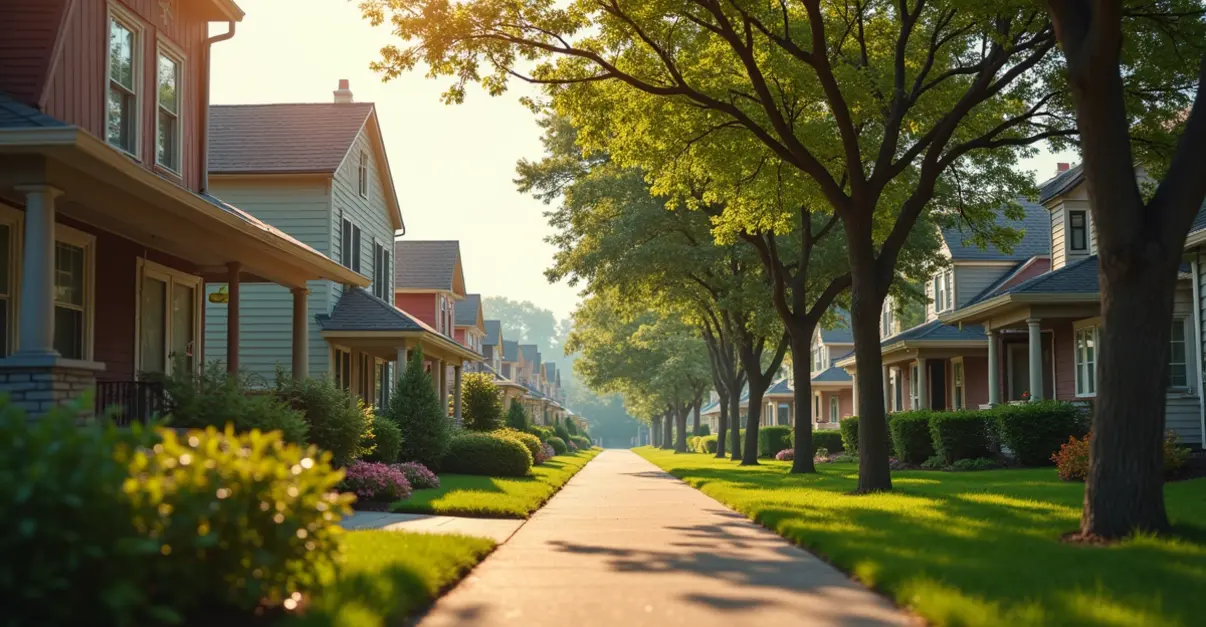
- Tree Planting and Urban Forests: Doubling tree cover from 15% to 30% could reduce heat-related deaths by over a third. Trees can lower surface temperatures by up to 25°C (45°F).
- Cool Roofs and Pavements: Applying light-colored reflective coatings to roads and roofs can reduce temperatures by 23°F, as demonstrated in Phoenix projects.
- Green Infrastructure: Green roofs and walls use evapotranspiration to cool air, with Medellín's green corridors reducing temperatures by 2°C (3.6°F).
- Community Cooling Centers: Establishing well-equipped facilities during heat waves, like Chicago's 120+ cooling centers.
Impact on Policy, Markets, and Communities
Policy Implications
The urban cooling grants represent a significant shift in federal climate policy, moving beyond traditional emissions reduction to direct heat mitigation. This approach acknowledges that even with aggressive emissions cuts, cities will continue to experience dangerous heat levels due to existing infrastructure. The grants create new regulatory frameworks for urban planning standards and establish precedent for future climate adaptation funding.
Market Opportunities
The funding is expected to create substantial market opportunities across several sectors:
| Sector | Estimated Market Value | Key Opportunities |
|---|---|---|
| Green Infrastructure | $8-12 billion | Green roof installation, permeable pavement, urban forestry |
| Cooling Technology | $5-8 billion | High-efficiency HVAC, smart cooling systems, reflective materials |
| Community Services | $3-5 billion | Cooling center management, heat health outreach programs |
Community Benefits
Low-income and disadvantaged communities stand to benefit most from these grants. Research shows that heat disparities disproportionately affect vulnerable populations, with historically redlined neighborhoods experiencing temperatures up to 12°F higher than wealthier areas. The Justice40 Initiative ensures that 40% of overall benefits from federal investments flow to disadvantaged communities, addressing long-standing environmental justice concerns.
Expert Perspectives on Urban Cooling
Climate resilience experts emphasize the importance of these grants. "Urban cooling isn't just about comfort - it's about survival," says Dr. Maria Chen, director of the Urban Climate Resilience Institute. "These grants represent the first comprehensive federal approach to addressing urban heat as a public health emergency. The funding will save lives, reduce energy costs, and create thousands of green jobs."
However, some experts caution against one-size-fits-all approaches. A recent study in Nature Climate Change found that while urban heat islands increase heat-related mortality, they also substantially reduce cold-related mortality - with a more than fourfold offset globally. This suggests that seasonally adaptive approaches may be more effective than universal cooling strategies in some regions.
Application Process and Eligibility
Municipal governments, nonprofit organizations, and community groups can apply for urban cooling grants through several channels:
- EPA Greenhouse Gas Reduction Fund: Applications are processed through the National Clean Investment Fund and Clean Communities Investment Accelerator programs.
- DOE Weatherization Assistance Program: Low-income households can apply through state weatherization administrators, with priority given to elderly, disabled, and families with children.
- State and Local Programs: Many states have established matching grant programs to complement federal funding.
Eligibility typically requires demonstrating how proposed projects will benefit disadvantaged communities and reduce urban heat island effects. Successful applications often include partnerships with local organizations and clear metrics for measuring temperature reduction and community impact.
Future Outlook and Long-Term Implications
The 2026 urban cooling grants represent just the beginning of what experts predict will be a growing focus on heat mitigation. As climate change accelerates, cities will need to invest billions more in cooling infrastructure. The success of these initial programs will likely determine future funding levels and policy directions. Early indicators suggest strong bipartisan support for heat mitigation, as the health and economic benefits resonate across political divides.
Frequently Asked Questions
What is the urban heat island effect?
The urban heat island effect occurs when cities become significantly warmer than surrounding rural areas due to human activities, dark surfaces that absorb heat, and lack of vegetation. This can increase city temperatures by up to 7°C during the day and 12°C at night.
How much funding is available for urban cooling grants in 2026?
Total federal funding exceeds $23 billion across multiple agencies, including $20 billion from the EPA Greenhouse Gas Reduction Fund, $3.7 billion from LIHEAP block grants, and additional DOE programs.
Who is eligible to apply for urban cooling grants?
Municipal governments, nonprofit organizations, community groups, and in some cases individual households can apply. Priority is given to projects benefiting low-income and disadvantaged communities.
What are the most effective urban cooling strategies?
Tree planting, cool roofs and pavements, green infrastructure, and community cooling centers have proven most effective. Trees can lower surface temperatures by up to 25°C, while reflective surfaces can reduce temperatures by 23°F.
How will these grants impact vulnerable communities?
The grants specifically target historically disadvantaged communities that experience the worst heat disparities. Over 70% of EPA funding is dedicated to low-income communities, addressing long-standing environmental justice concerns.
What is the timeline for implementing cooling projects?
Most grants require funds to be obligated by September 30, 2026, with projects typically completed within 12-24 months. Some programs allow for carryover funding into FY27 for longer-term initiatives.
Conclusion
The 2026 urban cooling grants represent a transformative moment in climate adaptation policy, marking the first comprehensive federal approach to addressing urban heat as a public health emergency. With over $23 billion in funding across multiple agencies, these programs will save lives, reduce energy costs, create jobs, and build more resilient communities. As cities continue to warm at alarming rates, these grants provide essential resources for implementing proven cooling strategies that benefit everyone, particularly the most vulnerable populations. The success of these initiatives will shape climate adaptation policy for decades to come, establishing new standards for how cities manage heat in an increasingly warm world.



Follow Discussion