


 Deutsch
 English
 Español
 Français
 Nederlands
 Português


 Share
Share




Historic Launch of Zero-Emission Tram Line Transforms Urban Mobility
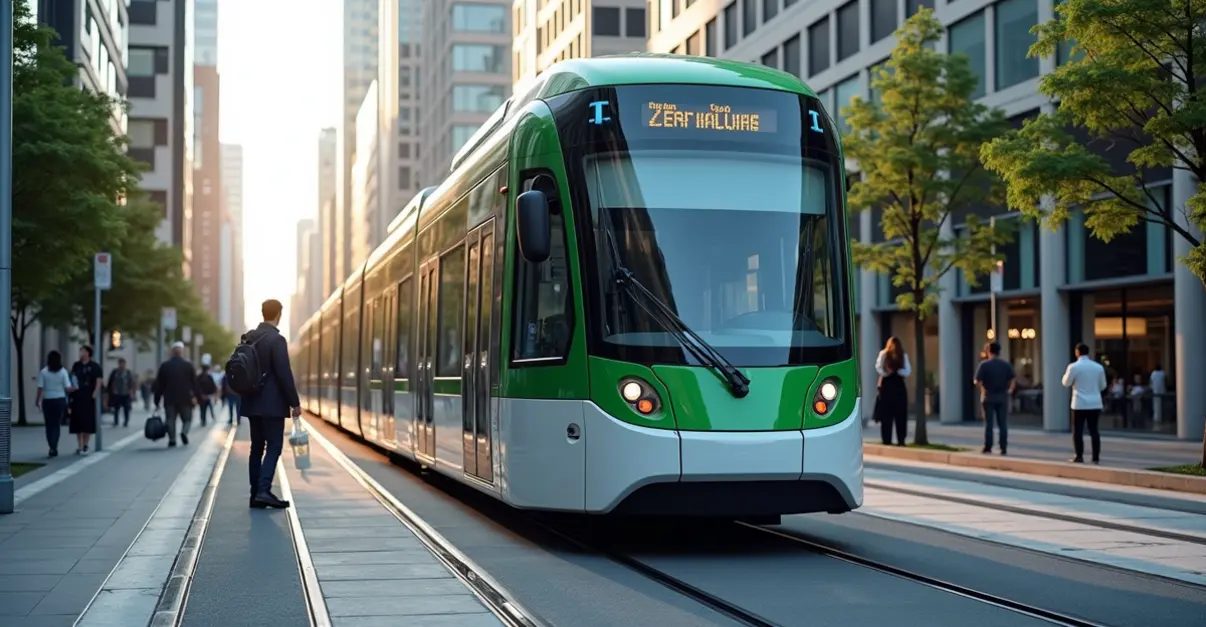
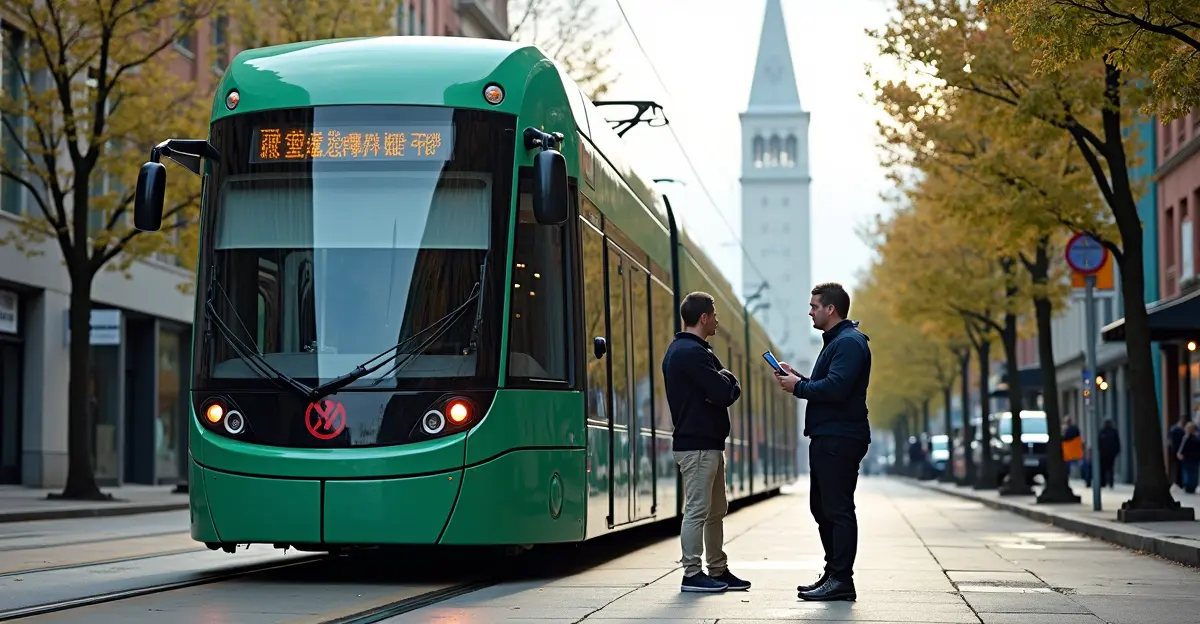
In a landmark development for sustainable urban transportation, a pioneering zero-emission tram line has officially launched in the city core, marking a significant step toward cleaner, smarter public transit. The project represents one of the most ambitious urban mobility initiatives of 2025, combining cutting-edge hydrogen and battery-electric technology with comprehensive infrastructure upgrades.
Energy Supply and Depot Upgrades
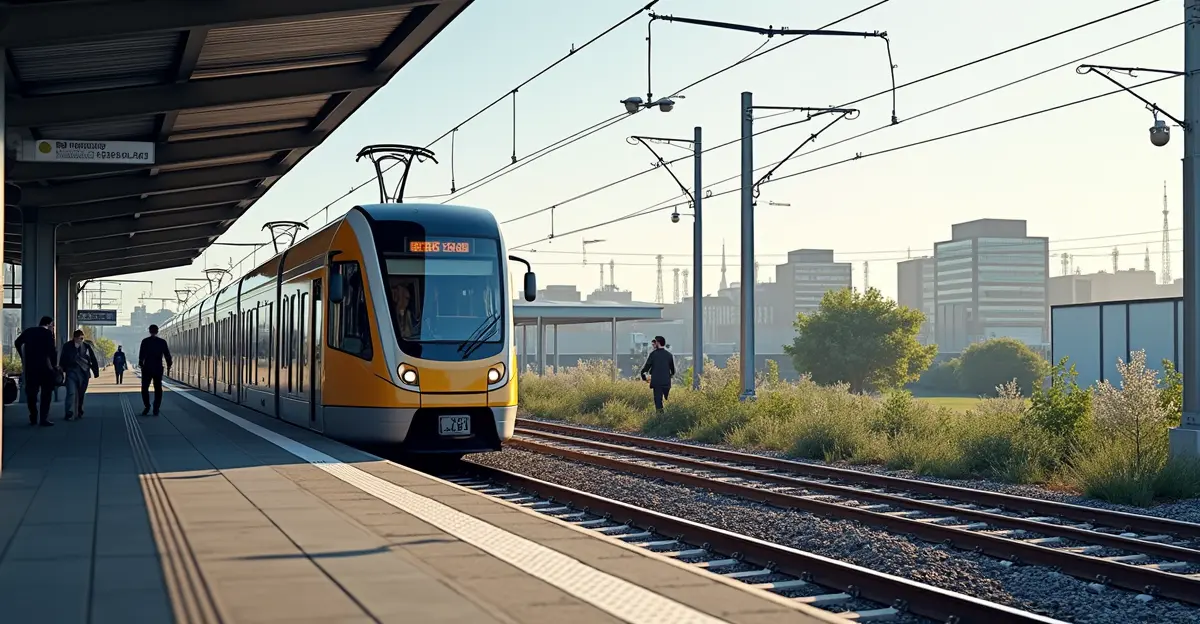
The tram system's backbone is a state-of-the-art energy depot featuring a 5 MW solar array, 2 MW/7.35 MWh battery storage capacity, and advanced charging infrastructure for both battery electric and hydrogen fuel cell vehicles. According to project engineers, the depot is designed to be a net-positive energy contributor to the city's grid, generating more electricity than it consumes.
'This isn't just about replacing diesel trams with electric ones—it's about creating an integrated energy ecosystem,' explains lead engineer Maria Chen. 'Our depot functions as a microgrid, capable of feeding surplus renewable energy back into the city's power network during peak demand periods.'
The energy requirements are substantial, with the system expected to eliminate approximately 4,000 metric tons of carbon emissions annually—equivalent to removing 850 cars from city streets. The modular design allows for future expansion as part of broader urban sustainability strategies.
Ridership Outlook and Expansion Plans
Initial projections indicate strong ridership demand, with the new line expected to serve approximately 45,000 daily passengers within its first year of operation. The system incorporates sophisticated ridership planning tools using real-time data analytics and predictive modeling to optimize service based on passenger demand patterns.
'We're seeing a fundamental shift in how people use public transport,' notes transportation analyst David Park. 'The traditional rush-hour peaks are flattening, and we need systems that can adapt to all-day flexible service needs. This tram line's smart technology allows for dynamic scheduling and capacity adjustments.'
Expansion plans are already underway, with city officials announcing a phased approach that will extend the network by 12 additional kilometers over the next three years. The second phase, scheduled for 2026, will connect key residential districts with employment centers and educational institutions.
Technology and Innovation
The zero-emission trams utilize a combination of hydrogen fuel cell and battery-electric technology, allowing for wireless, catenary-free operation that preserves the city's historic skyline. This innovative approach follows similar pioneering projects like Busan's hydrogen-powered tram system in South Korea, which represents that country's first zero-emission tram line with a ₩724 billion investment.
The vehicles feature regenerative braking systems that capture energy during deceleration, feeding it back into the onboard batteries. This technology, combined with lightweight composite materials, increases overall energy efficiency by approximately 30% compared to conventional tram systems.
Economic and Environmental Impact
Beyond environmental benefits, the project is expected to generate significant economic returns. According to a recent Deloitte transportation trends report, sustainable transit investments typically yield a 4:1 return on investment through reduced healthcare costs, increased property values, and improved productivity.
The system also supports broader climate goals, aligning with international commitments to reduce urban carbon footprints. As noted in the 2025 transit trends analysis, cities worldwide are prioritizing electrification and alternative fuels as part of comprehensive climate strategies.
Future Vision
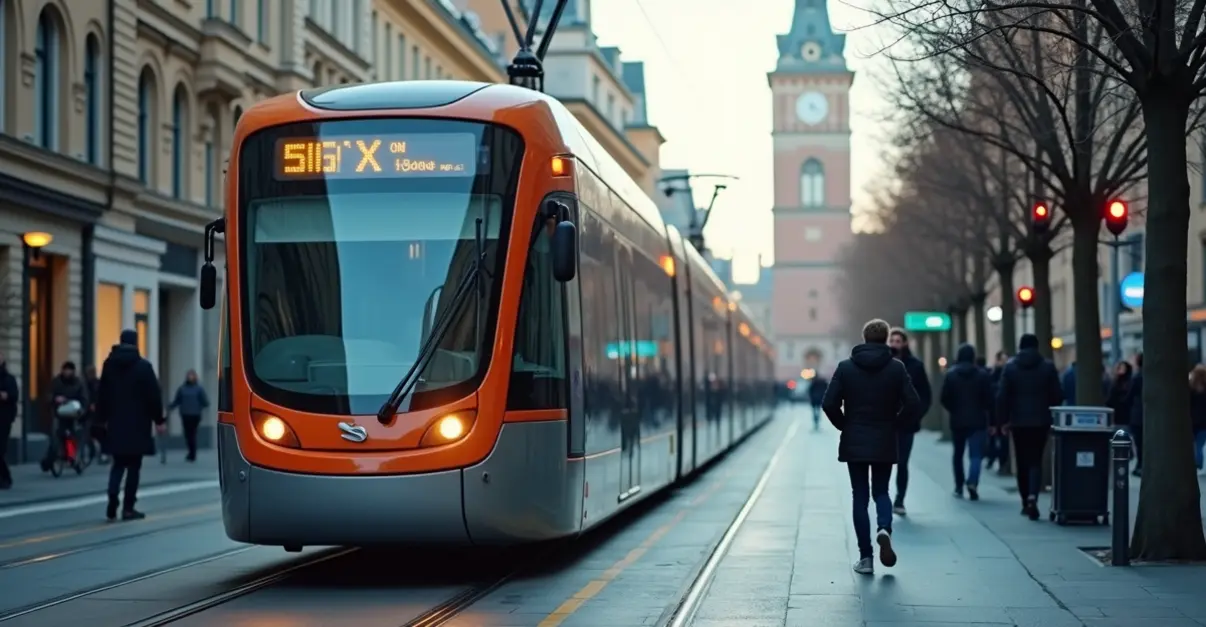
City planners envision this tram line as the first component of a fully integrated zero-emission transit network. Future phases may include connections to regional rail systems, integration with bike-sharing programs, and the development of transit-oriented communities around station areas.
'This launch represents more than just a new transportation line—it's a statement about the kind of city we want to build,' says Mayor Elena Rodriguez. 'A city that prioritizes clean air, equitable access, and sustainable growth for generations to come.'
As urban centers worldwide grapple with congestion and pollution challenges, this zero-emission tram line offers a compelling model for how cities can reinvent public transportation for the 21st century while addressing urgent environmental imperatives.

Follow Discussion