Nederlands
 English
 Deutsch
 Français
 Español
 Português





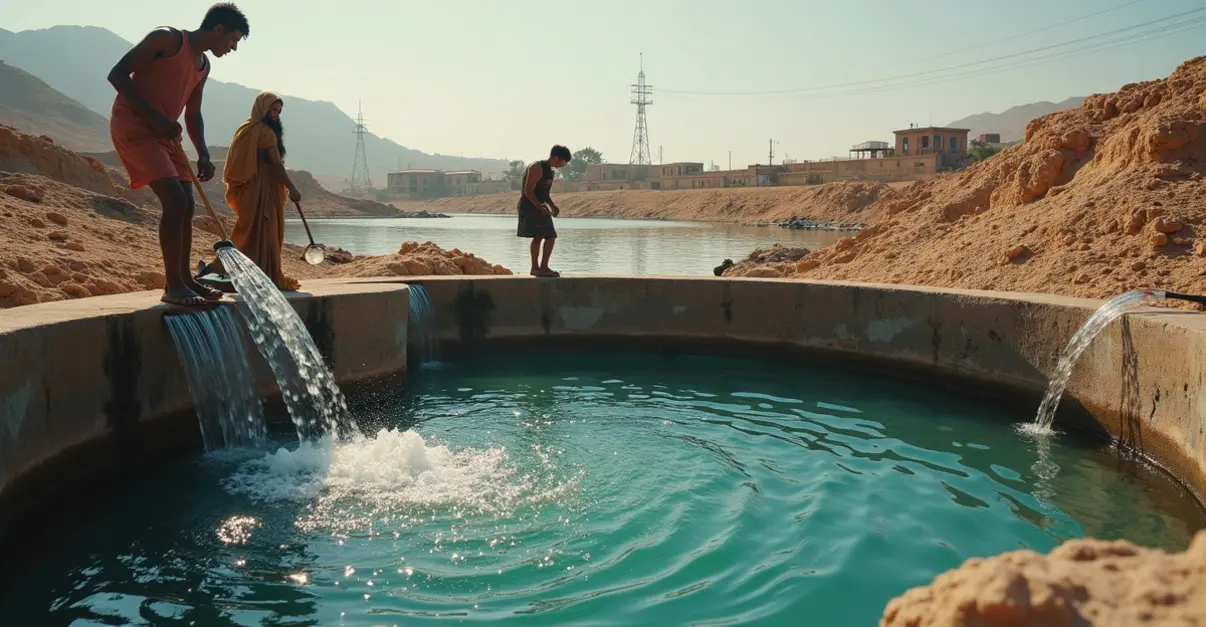
Nation's First Direct-to-Distribution Water Reuse Facility Gets Green Light
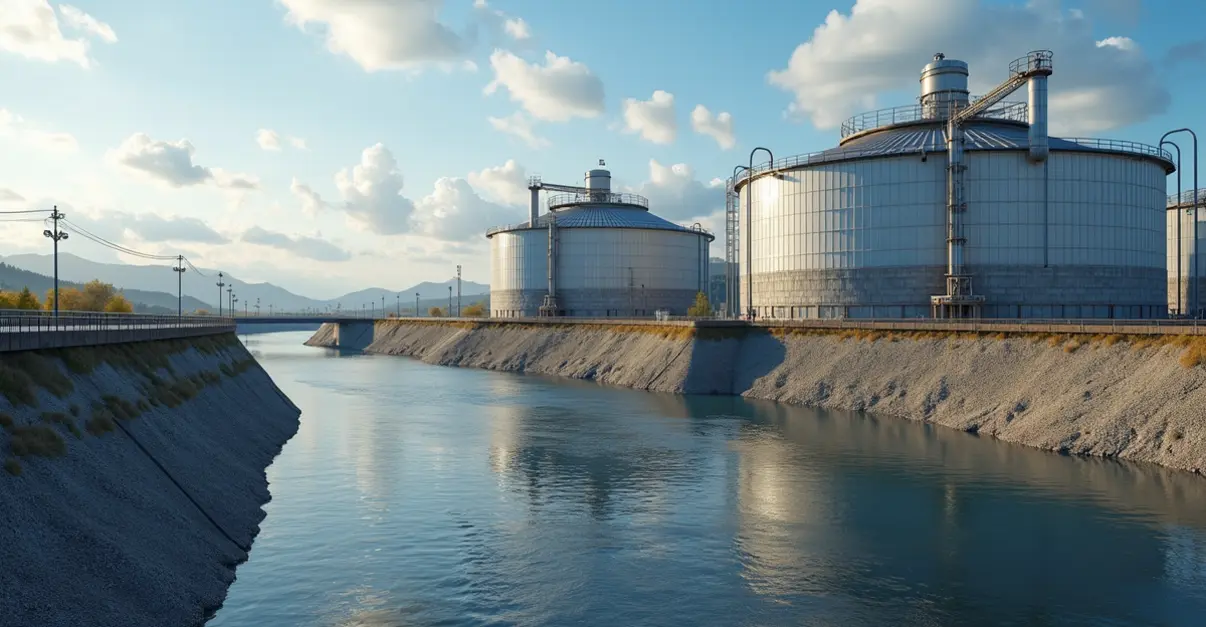
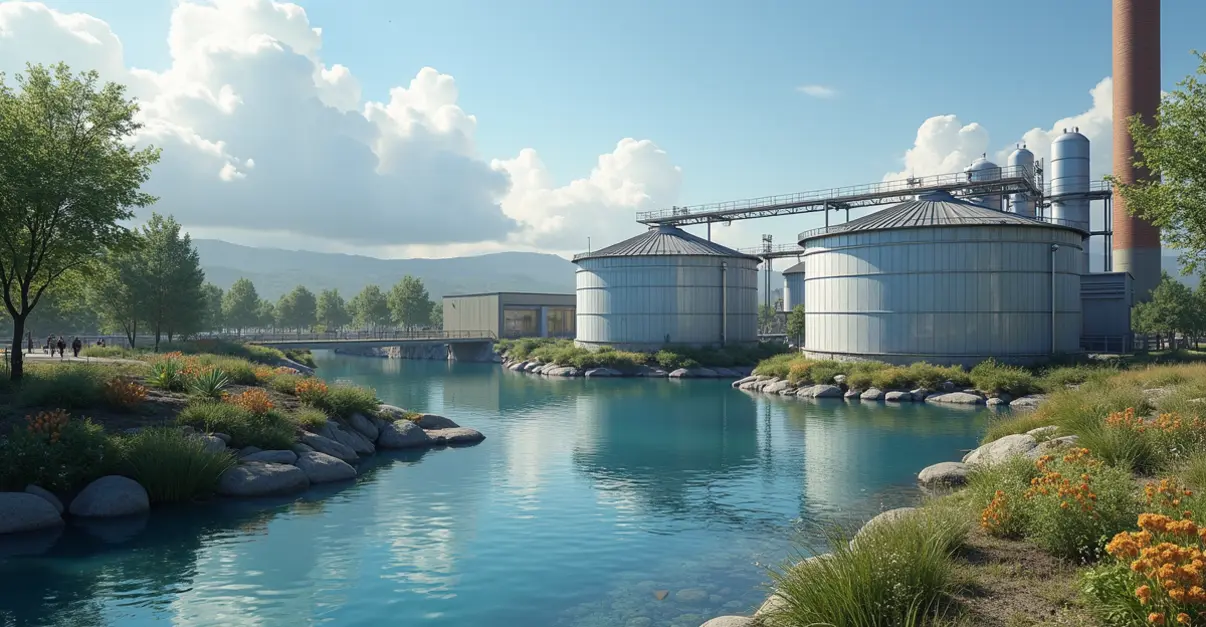
In a landmark decision that could reshape America's water infrastructure landscape, federal and state regulators have approved the nation's first direct-to-distribution water reuse facility, signaling the start of what analysts predict will be a $47 billion infrastructure spending boom through 2035. The Pure Water Center in El Paso, Texas, has received final regulatory approval to treat wastewater to drinking water standards and distribute it directly into municipal systems, marking a revolutionary approach to water sustainability.
'This isn't just about building another treatment plant—it's about fundamentally rethinking how we manage our most precious resource,' says Dr. Maria Rodriguez, water policy expert at the Environmental Protection Agency. 'We're witnessing a paradigm shift where wastewater is no longer seen as waste, but as a valuable resource that can be safely and efficiently reused.'
The $47 Billion Infrastructure Pipeline
According to a comprehensive 2025 report from Bluefield Research, the U.S. water reuse sector is projected to drive $47.1 billion in capital expenditure from 2025 through 2035. The largest share (42.3%) will fund advanced treatment technology and facilities, while conveyance pipe networks account for 40.4% and engineering/design for 12.4%. Over 600 projects are currently in planning or execution phases across the country.
California leads the charge with 41% of new capacity, surpassing traditional leader Florida, while Colorado, Texas, and Florida collectively account for 45% of projected growth. 'What we're seeing is a perfect storm of regulatory support, technological advancement, and urgent need,' explains James Wilson, senior analyst at Bluefield Research. 'Drought resilience in Western states and water quality concerns in Eastern states are converging to create unprecedented momentum for water reuse projects.'
Policy and Regulatory Framework
The approval comes as the EPA's Water Reuse Action Plan (WRAP) gains traction nationwide. Recent developments include WEF's interactive case study map for circular water economy projects, EPA's risk-based approach webinar for water reuse treatment, and New Mexico's research on agricultural reuse of produced water. Funding opportunities include $3.4 million for 14 research projects from the Water Research Foundation.
State-level progress has been equally significant. Illinois has expanded recycled water sales, while Texas created credits for water conservation projects. The regulatory environment is evolving rapidly, with California implementing its "12/10/10 Rule" for virus and pathogen removal using multi-barrier treatment processes in indirect potable reuse (IPR) systems.
Community Impact and Economic Benefits
For communities like El Paso, the benefits extend far beyond water security. The Pure Water Center will create hundreds of construction jobs and dozens of permanent operational positions. More importantly, it provides a drought-resistant water source that reduces reliance on the increasingly stressed Rio Grande and local aquifers.
'This facility represents hope for our community,' says El Paso resident Carlos Mendez. 'We've lived with water restrictions for years. Knowing we're developing sustainable solutions gives us confidence in our future.'
According to industry analysis, the infrastructure spending will support advanced water treatment facilities, distribution systems, and recycling technologies that enable municipalities and industries to reuse treated wastewater for various purposes including irrigation, industrial processes, and potable applications.
Environmental Implications
Water reuse offers significant environmental benefits beyond water conservation. By reducing the amount of wastewater discharged into rivers and oceans, these facilities help protect aquatic ecosystems. They also decrease energy consumption compared to traditional water treatment and long-distance water transport systems.
The Wikipedia entry on reclaimed water notes that water recycling and reuse is of increasing importance, not only in arid regions but also in cities and contaminated environments. Municipal wastewater reuse is particularly high in the Middle East and North Africa region, but the U.S. is rapidly catching up.
Market Transformation
Industrial demand, particularly from data centers, is emerging as a significant factor driving water reuse adoption. Partnerships are forming between utilities and private operators to secure water supplies, creating new market opportunities. Potable reuse is expected to represent 37% of new capacity additions by 2035, totaling $19.9 billion in investment.
'We're seeing a fundamental shift in how industries view water,' notes environmental economist Dr. Sarah Chen. 'Water is no longer just an operational cost—it's becoming a strategic resource that requires innovative management approaches. Companies that adopt water reuse early will gain competitive advantages in water-stressed regions.'
The approval of the El Paso facility serves as a catalyst for similar projects nationwide, with municipalities now having a proven model to follow. As climate change intensifies water scarcity challenges, water reuse facilities are transitioning from experimental projects to essential infrastructure components of resilient communities.