Nederlands
 English
 Deutsch
 Français
 Español
 Português





Municipal Water Reuse Plant Contract Signals Major Infrastructure Investment
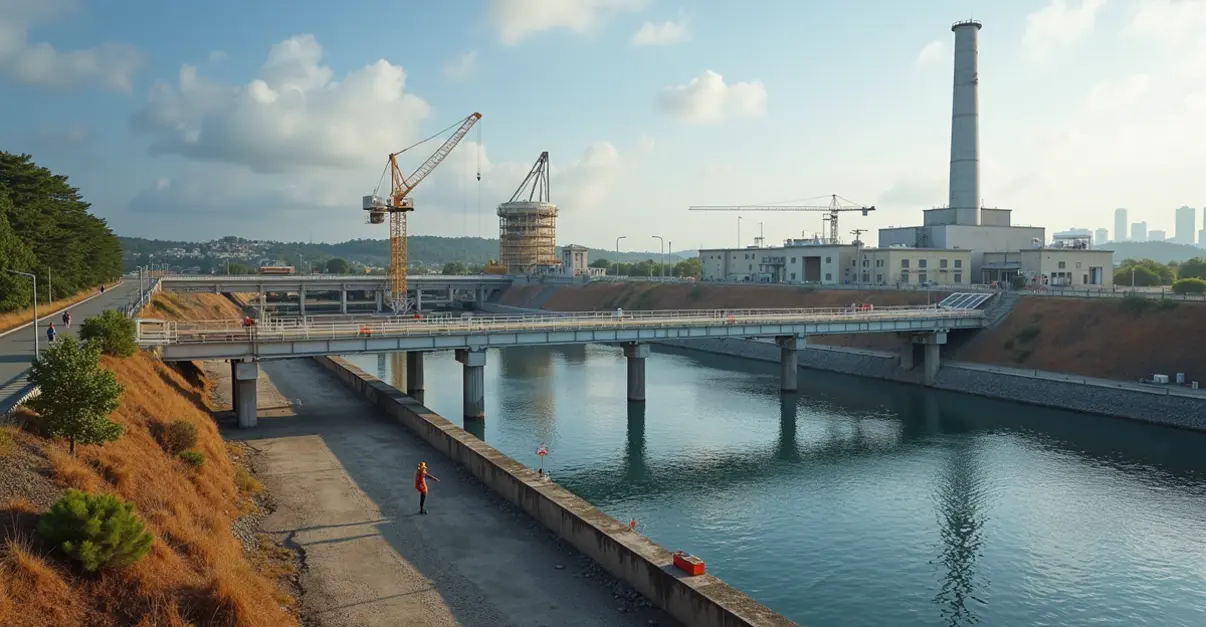
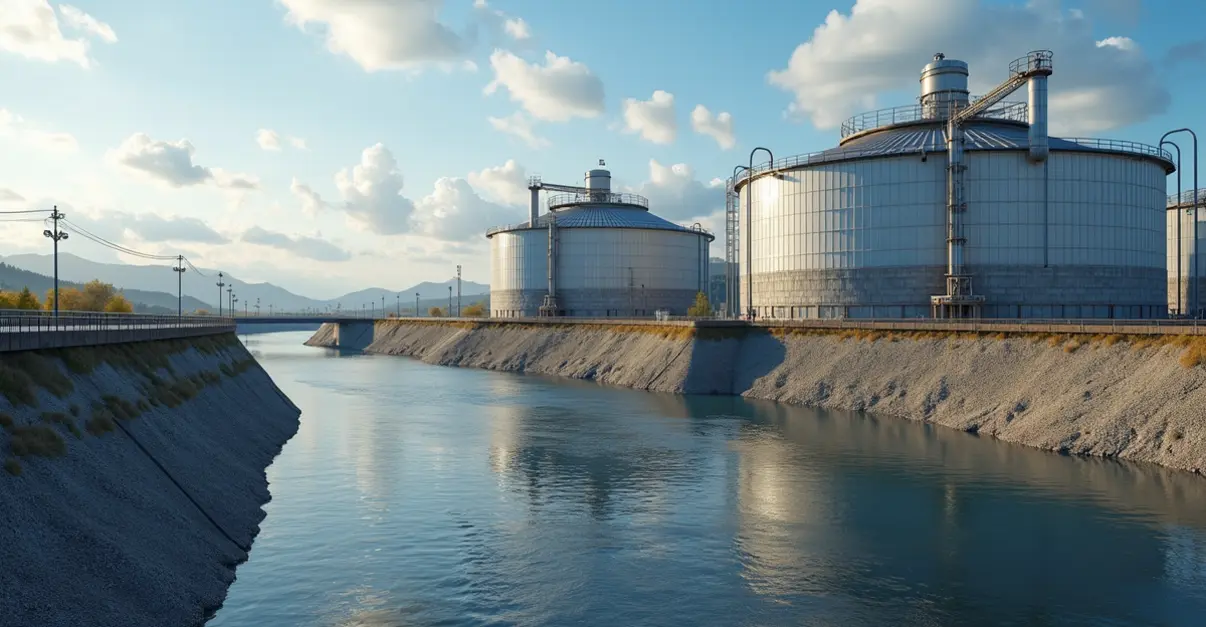
In a significant move toward sustainable water management, a major municipal water reuse plant contract has been awarded, marking a pivotal moment for regional water infrastructure. The project represents a substantial investment in advanced water recycling technology that will transform how communities manage their water resources.
Project Capacity and Timelines
The newly awarded contract will establish a facility capable of processing approximately 10 million gallons per day (MGD) of treated wastewater for reuse applications. Construction is scheduled to begin in early 2026, with full operational capacity expected by late 2028. 'This project represents a generational investment in our water future,' said project manager Amelia Johansson. 'We're not just building infrastructure; we're building resilience against drought and climate uncertainty.'
The timeline includes a comprehensive design phase through 2025, followed by groundbreaking in Q1 2026. The project aligns with broader national trends, as the U.S. municipal water reuse infrastructure is projected to drive $47.1 billion in capital expenditure from 2025 through 2035, according to Bluefield Research's Insight Report.
Energy Footprint and Sustainability Features
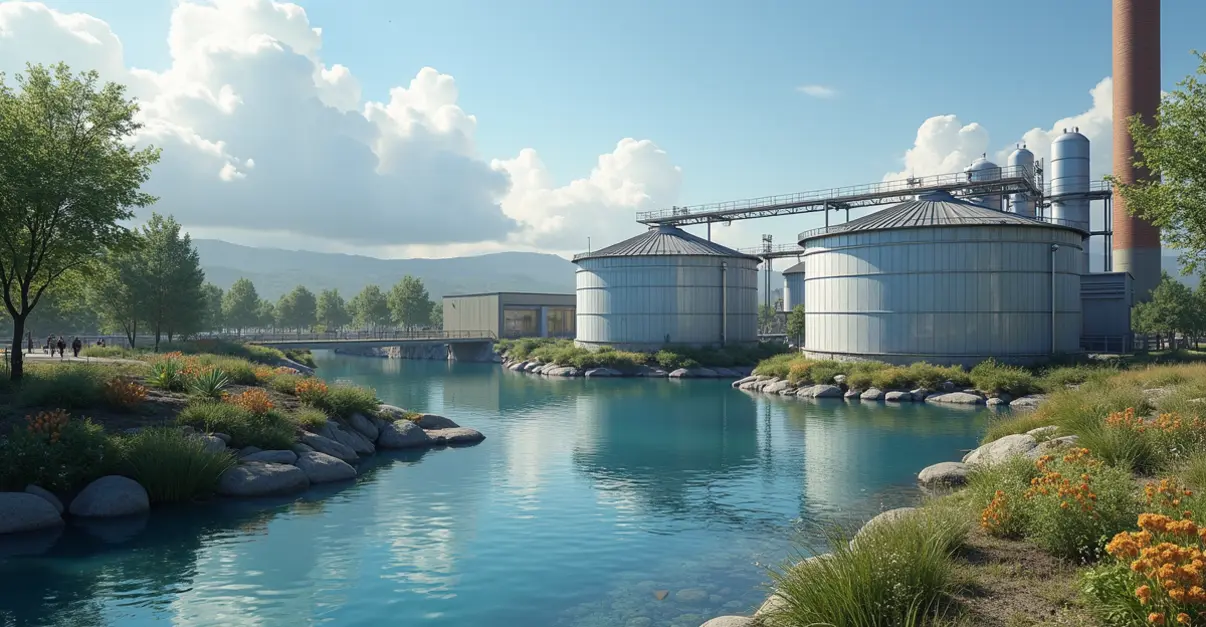
Energy efficiency stands at the forefront of this project's design. The facility will incorporate advanced membrane bioreactor (MBR) technology combined with reverse osmosis (RO) systems, which are expected to reduce energy consumption by approximately 30% compared to conventional treatment plants. 'We've designed this facility to be a net-zero energy operation within five years of commissioning,' explained Johansson. 'Through biogas recovery from anaerobic digestion and solar panel integration, we're redefining what sustainable water treatment looks like.'
A recent study in Nature Sustainability analyzing 50 real-world cases found that anaerobic digestion for methane production is currently the most efficient method for chemical energy recovery in municipal wastewater treatment. The project will implement this technology alongside water source heat pumps, identified as particularly effective for substantial energy savings.
Regulatory Compliance Framework
The project must navigate a complex regulatory landscape, meeting both federal and state requirements for water quality and public health protection. Key compliance areas include the Clean Water Act, Safe Drinking Water Act, and state-specific regulations governing direct and indirect potable reuse.
'Regulatory compliance isn't just a box to check; it's the foundation of public trust,' noted Johansson. 'We're working closely with the EPA and state agencies to ensure every drop meets or exceeds the strictest standards.' The Environmental Protection Agency provides comprehensive support through programs like the Clean Water State Revolving Fund (CWSRF) and Drinking Water State Revolving Fund (DWSRF) for low-cost financing of such projects.
Broader Context and Future Implications
This contract award comes at a critical time when water scarcity challenges are intensifying nationwide. The project represents part of a larger shift toward water reuse as a mainstream water supply strategy rather than a marginal solution. According to industry analysis, over 600 water reuse projects are currently in planning and execution phases across the United States, with potable reuse expected to account for 37% of new capacity additions by 2035.
The facility will serve multiple purposes: providing irrigation water for agricultural and landscaping use, supplying industrial process water, and contributing to groundwater recharge efforts. This multi-benefit approach reflects evolving water management strategies that prioritize integrated resource management.
'What we're seeing is a fundamental transformation in how communities value water,' Johansson concluded. 'This plant isn't just about treating wastewater; it's about creating a circular water economy where every drop gets multiple uses before returning to the environment.'
The project's success could serve as a model for other municipalities facing similar water challenges, demonstrating that advanced water recycling is both technically feasible and economically viable when approached with comprehensive planning and community engagement.