Nederlands
 English
 Deutsch
 Français
 Español
 Português





Air Quality Emergency Triggers Widespread School Closures
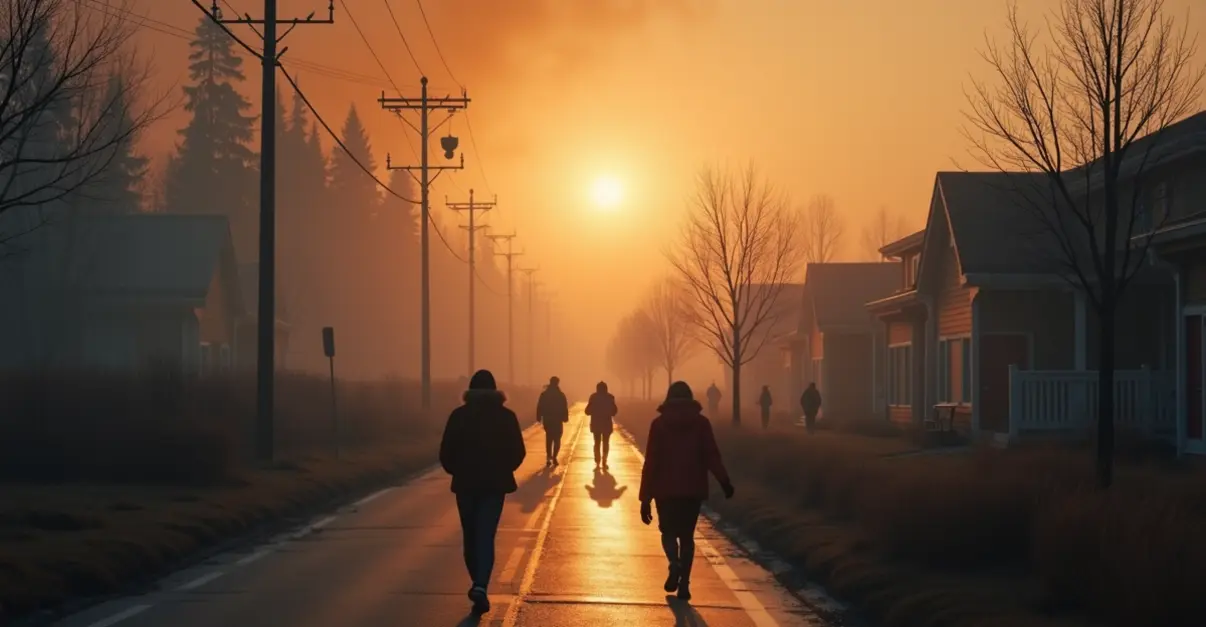
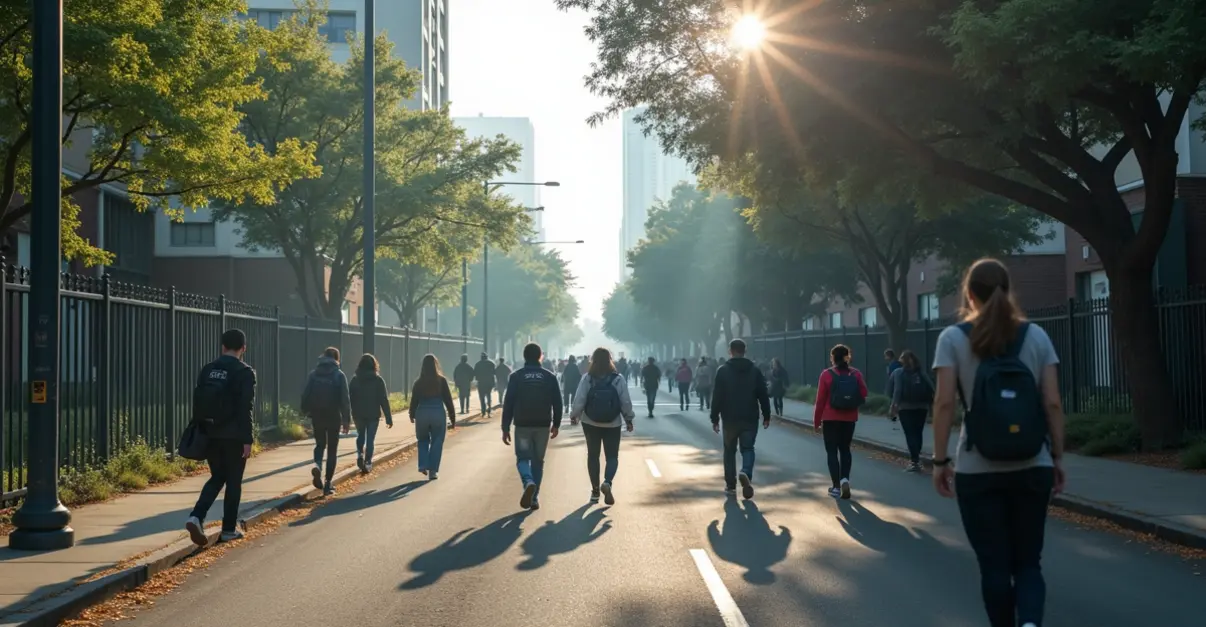
Across the United States, a growing number of school districts are facing unprecedented decisions as poor air quality forces widespread closures, disrupting education for millions of students. The crisis, driven by worsening wildfire seasons and increasing pollution events, has sparked urgent policy discussions about how to protect children's health while maintaining educational continuity.
'We're seeing air quality emergencies become the new normal for many communities,' says Dr. Sarah Chen, an environmental health researcher at Stanford University. 'Schools are on the front lines of this public health crisis, and we need comprehensive policies that address both immediate protection and long-term solutions.'
The Health Impact on Students
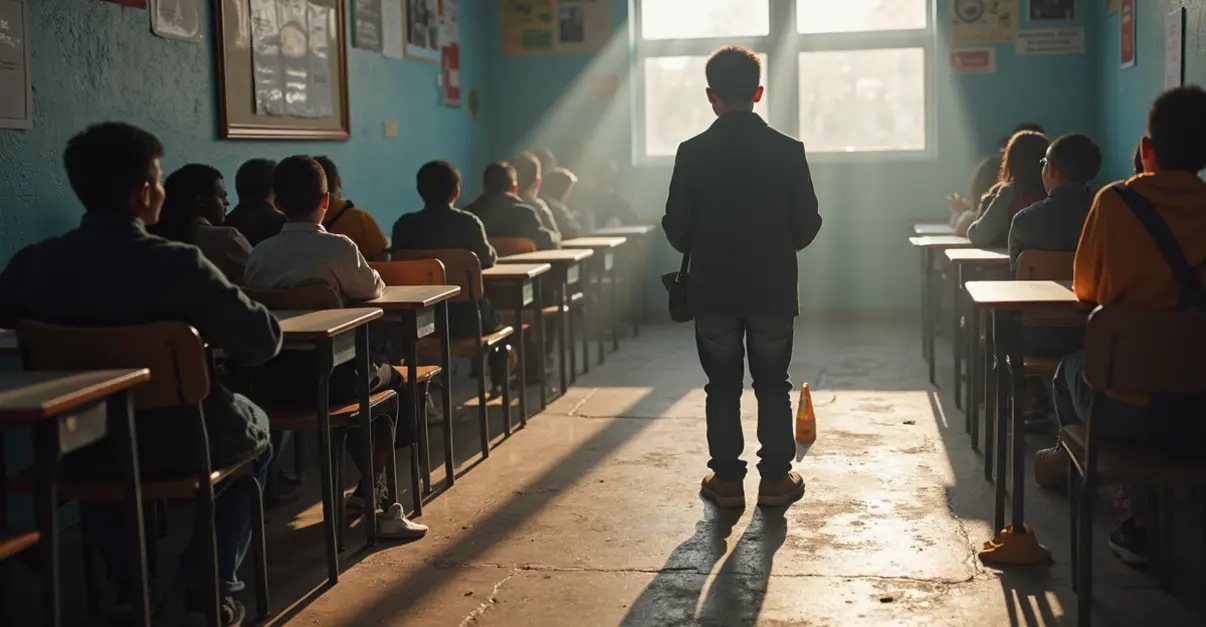
Children are particularly vulnerable to poor air quality due to their developing respiratory systems and higher breathing rates relative to body size. According to the American Lung Association's 2026 report, poor indoor air quality in schools contributes to increased asthma attacks, higher absenteeism rates, and reduced academic performance. The report emphasizes that clean indoor air is foundational for learning and recommends ten key policy measures including mandatory IAQ management plans, ventilation standards, and radon testing.
Recent data shows that schools in wildfire-prone regions have experienced closure rates up to 15% higher than historical averages during peak smoke seasons. 'When the Air Quality Index hits hazardous levels, we have no choice but to close,' explains Maria Rodriguez, superintendent of a California school district that closed for five days last fall. 'Parents understand the health risks, but the educational disruption creates real challenges for working families.'
Policy Responses and Legislative Action
In response to the growing crisis, lawmakers are introducing new legislation aimed at creating safer school environments. The H.R.5123 Indoor Air Quality and Healthy Environments Act, introduced in the 119th Congress (2025-2026), seeks to establish national standards for ventilation systems, air filtration, and monitoring requirements in educational facilities. While specific details remain under development, the bill represents a significant federal effort to address what has traditionally been a local issue.
State-level initiatives are also gaining momentum. The National School Boards Association has entered an $8 million partnership with the Go Green Initiative, funded by the EPA, to improve indoor air quality in low-income and Tribal school districts. This initiative addresses critical equity issues, as students in underserved communities often face higher exposure to poor indoor air quality.
Economic and Community Impacts
The ripple effects of school closures extend far beyond the classroom. When schools close due to air quality emergencies, working parents face difficult choices about childcare and missed work. Local economies feel the impact as parents rearrange schedules, and businesses that serve schools experience revenue losses.
'The economic impact is substantial but often overlooked,' notes economist James Wilson of the Brookings Institution. 'Beyond the immediate disruption, there are long-term consequences for workforce productivity and educational outcomes that affect economic growth.' The Brookings Institution's 2026 economic outlook highlights how environmental factors increasingly intersect with economic stability.
Some districts are implementing innovative solutions to minimize disruption. Clark County School District in Nevada has become the first public school district to achieve UL Verified Ventilation & Filtration certification for enhanced pathogen protection in its facilities. Other districts are developing hybrid learning models that can quickly transition to remote instruction during air quality emergencies.
Looking Forward: Adaptation and Resilience
As climate change intensifies wildfire seasons and air pollution events, experts agree that schools need to develop comprehensive adaptation strategies. These include improved air filtration systems, better monitoring technology, and flexible learning models that can maintain educational continuity during environmental emergencies.
'We can't control the air quality outside, but we can control what happens inside our schools,' says environmental policy expert Dr. Robert Kim. 'Investing in air quality improvements isn't just about health—it's about educational equity and community resilience.'
The Washington State Department of Health has developed detailed guidance for school closures during wildfire smoke events, providing clear protocols based on Air Quality Index thresholds. Similar guidance from the California Department of Education helps administrators make informed decisions about when to modify outdoor activities or close schools entirely.
As communities grapple with these challenges, the conversation is shifting from reactive closures to proactive protection. The goal is clear: ensure that every child can learn in a safe, healthy environment regardless of external environmental conditions.