Nederlands
 English
 Deutsch
 Français
 Español
 Português
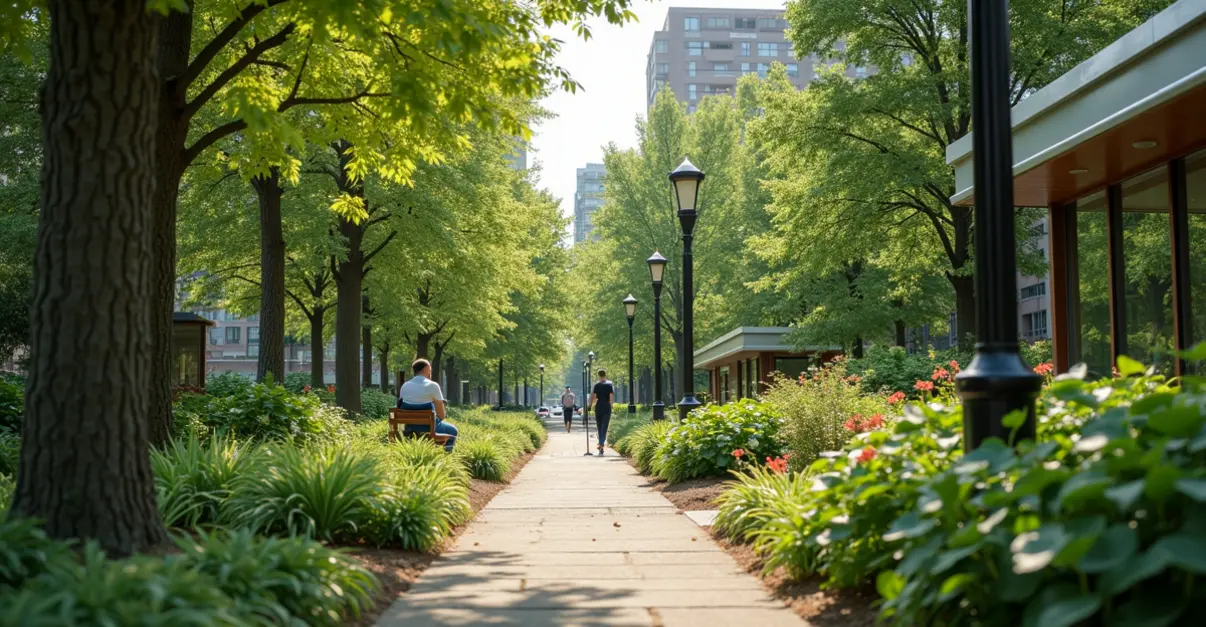





Groundbreaking Research Links Parks to Healthcare Savings
A comprehensive new study published in Nature Cities reveals that urban green spaces significantly reduce healthcare costs while improving public health outcomes. The research, which analyzed data from multiple cities worldwide, found that communities with accessible parks, gardens, and natural areas experience up to 23% lower healthcare expenditures compared to areas with limited green infrastructure.
'This isn't just about aesthetics—it's about creating healthier, more resilient cities,' says Dr. Amelia Johansson, lead researcher on the study. 'Our findings demonstrate that every dollar invested in green space development returns approximately $3.50 in healthcare savings and productivity gains.'
The Health Economics of Green Infrastructure
The study examined how urban green spaces contribute to reduced healthcare costs through multiple pathways. Parks and natural areas promote physical activity, with communities near green spaces showing 40% higher rates of regular exercise. This translates to lower rates of obesity, diabetes, and cardiovascular diseases—conditions that account for substantial healthcare spending.
Mental health benefits are equally significant. Research shows that exposure to green spaces reduces stress, anxiety, and depression rates by up to 30%. 'We're seeing measurable reductions in antidepressant prescriptions and mental health service utilization in neighborhoods with quality green spaces,' explains Dr. Johansson.
The study also highlights environmental benefits that indirectly reduce healthcare costs. Urban forests and green spaces improve air quality, reducing respiratory illnesses, while mitigating the urban heat island effect that contributes to heat-related hospitalizations.
Policy Recommendations for Sustainable Funding
Based on their findings, researchers propose several innovative policy approaches to fund and maintain urban green spaces:
1. Health-Linked Municipal Bonds: Cities could issue bonds specifically for green space development, with repayment tied to documented healthcare savings. 'This creates a virtuous cycle where health improvements fund further environmental enhancements,' notes Dr. Johansson.
2. Cross-Sector Partnerships: Healthcare providers, insurance companies, and municipal governments could collaborate on green space initiatives. Some health insurers are already experimenting with premium discounts for members living near certified green spaces.
3. Ecosystem Service Valuation: The study recommends quantifying the economic value of green space benefits—from carbon sequestration to stormwater management—and incorporating these values into municipal budgeting.
4. Equity-Focused Allocation: Researchers emphasize targeting historically underserved communities that often face both green space deficits and health disparities. 'Environmental justice must be at the center of our urban planning,' stresses Dr. Johansson.
Pilot Programs Show Promising Results
Several cities have launched pilot programs testing these funding models with encouraging outcomes:
In Portland, Oregon, a partnership between the city's parks department and a major healthcare provider has created prescription parks programs where doctors prescribe time in specific green spaces. Early data shows participants reporting 25% fewer primary care visits.
Singapore's 'City in a Garden' initiative, which has invested heavily in green infrastructure, has documented significant reductions in heat-related illnesses and improved mental health metrics across the population.
A Brazilian study published in ScienceDirect found that communities recognize the health benefits of green spaces and show willingness to pay for their maintenance, suggesting potential for community-supported funding models.
Future Directions and Implementation Challenges
While the evidence is compelling, researchers acknowledge implementation challenges. Measuring long-term healthcare savings requires sophisticated data tracking across multiple systems. There's also the risk of 'green gentrification,' where improved green spaces increase property values and displace long-term residents.
'We need smart policies that ensure green space benefits reach everyone, not just affluent communities,' says Dr. Johansson. 'This means combining green infrastructure with affordable housing policies and community land trusts.'
The UN-Habitat's 2025 report on Public Space and Urban Health supports these findings, emphasizing that well-designed public spaces are essential urban health infrastructure.
As cities worldwide face growing healthcare costs and climate challenges, this research provides a roadmap for creating healthier urban environments that are both economically sustainable and socially equitable.