Deutsch
 English
 Español
 Français
 Nederlands
 Português

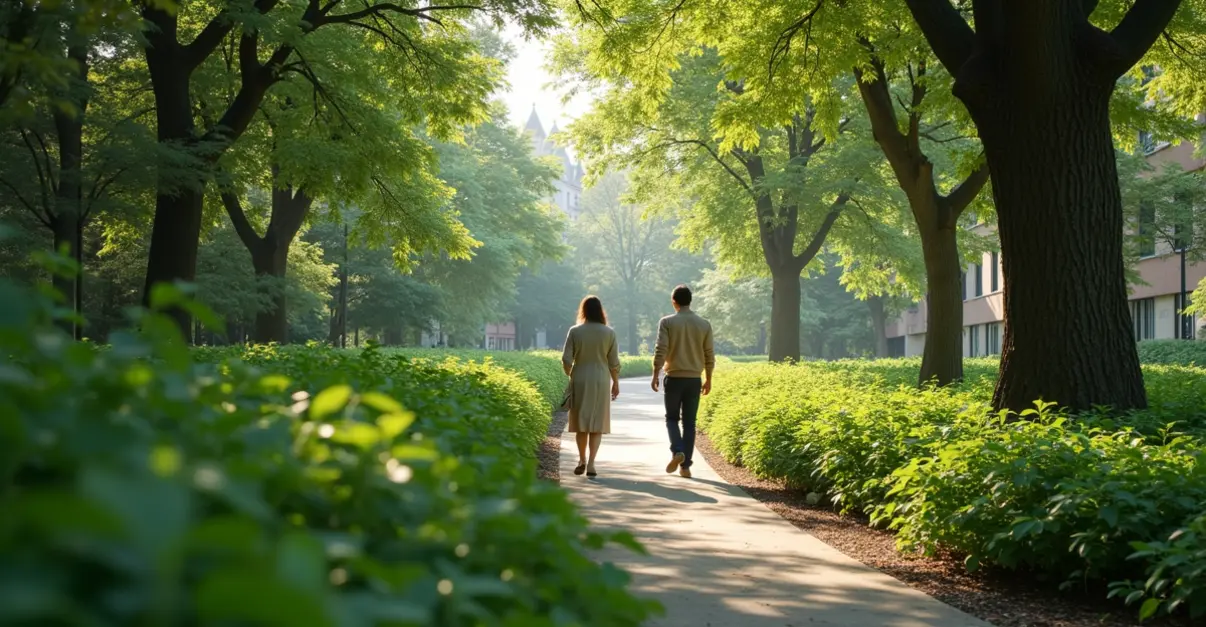





New Research Reveals Comprehensive Benefits of Urban Green Spaces
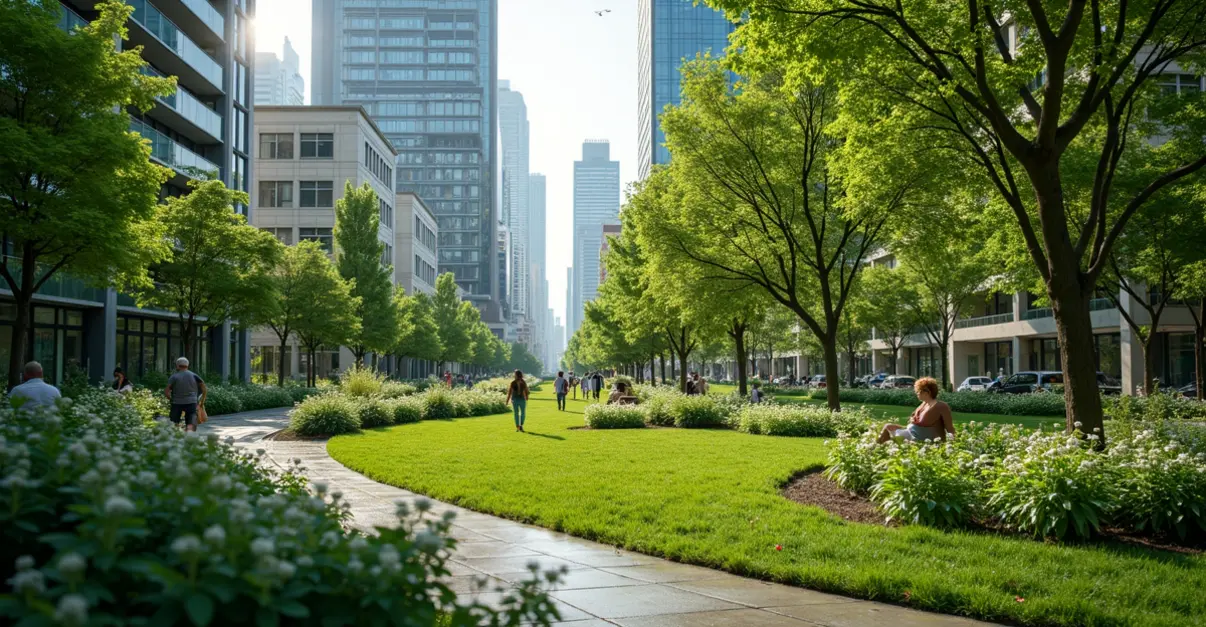
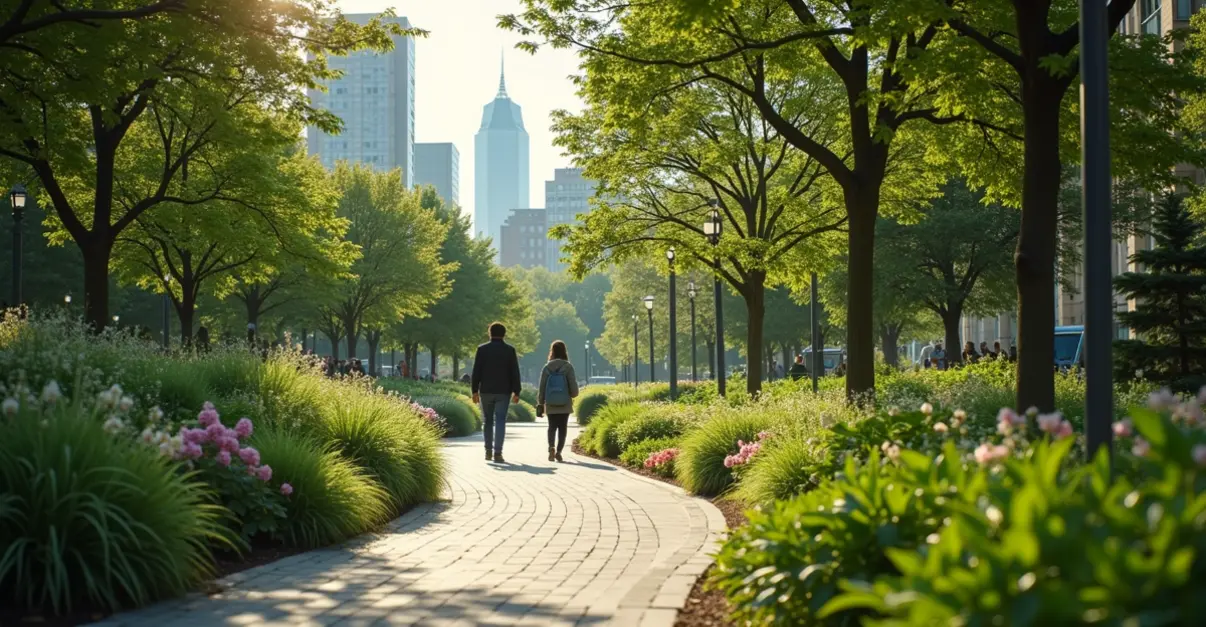
A groundbreaking new study analyzing the health impacts of urban green spaces has revealed compelling evidence that access to parks, gardens, and natural areas significantly improves both physical and mental health outcomes while boosting property values in surrounding neighborhoods. The comprehensive analysis, which synthesizes data from multiple recent studies, provides policymakers with powerful evidence to justify increased investment in urban greening initiatives.
Health Benefits Beyond Expectations
The research, published in Frontiers in Public Health, shows that regular exposure to green spaces is associated with reduced all-cause mortality, lower cardiovascular disease rates, decreased diabetes incidence, and improved mental health. 'What we're seeing is a consistent pattern across multiple studies - people who live near quality green spaces have better health outcomes across the board,' explains Dr. Maria Chen, an environmental health researcher not directly involved in the study but familiar with its findings.
According to the systematic umbrella review, which analyzed epidemiological meta-analyses up to 2024, green space exposure shows particularly strong associations with reduced metabolic syndrome and improved birth outcomes. The study followed rigorous PRISMA guidelines and used GRADE and AMSTAR 2 tools for quality assessment, making its conclusions particularly robust.
Economic Implications for Property Markets
Beyond health benefits, the research reveals significant economic impacts. A separate systematic review published in PMC found that urban parks and green spaces can increase residential property values by up to 20%. 'Properties adjacent to parks and greenways are consistently valued higher because green spaces are viewed as extensions of living space in urban environments,' notes urban planner James Rodriguez.
The economic analysis used various methodologies including hedonic price analysis, geographically weighted regression models, and neural network models to establish these relationships. Interestingly, the research found that while green spaces generally increase property values, some negative effects can occur due to factors like noise, poor maintenance, or inadequate parking - highlighting the importance of quality design and management.
Policy Implications and Community Impact
The findings have significant implications for urban planning and public health policy. 'This research provides the evidence base we need to advocate for more equitable distribution of green spaces across communities,' says Harper Singh, author of the report. 'Historically, access to urban green space has favored wealthier and more privileged communities, but these findings show that everyone benefits from proximity to nature.'
A particularly interesting study from Brazil, published in ScienceDirect, examined public willingness-to-pay for urban green spaces in emerging economies. The research found a strong correlation between recognition of health benefits and willingness to pay for green space maintenance and enhancement. This suggests that as awareness of health benefits grows, public support for green space investments increases.
Environmental Justice Considerations
The research also addresses environmental justice concerns. Recent urban greening initiatives have increasingly focused on community engagement and equitable distribution. 'In cities with economic decline, such as in the Rust Belt in the United States, urban greening has broad community revitalization impacts,' explains Singh. 'It's not just about planting trees - it's about creating spaces that foster community interaction and improve quality of life for all residents.'
The World Health Organization defines urban green spaces as 'all urban land covered by vegetation of any kind,' but the research emphasizes that quality matters as much as quantity. Psychological studies show that benefits to visitors of urban green spaces increase with biodiversity, indicating that 'green' alone is not sufficient - the quality and variety of the urban green space are important as well.
Future Directions and Recommendations
While the evidence is compelling, researchers note that more work is needed. A systematic review examining specific changes to urban green spaces found that interventions targeting play areas or fitness equipment generally had positive impacts on physical activity, while improvements to walking paths or overall greenery showed mixed results. Only two studies addressed mental health impacts, with just one finding a positive association with depression reduction.
'From a cost-effectiveness perspective, the analysis suggests that even very small improvements could make these interventions cost-effective policy choices,' says Dr. Chen. 'But we need more research on mental health and educational outcomes, longer time horizons, and multi-sectoral benefits to better inform decision-making about urban green space investments.'
The research team recommends that cities prioritize green space accessibility in urban planning, develop inclusive urban development policies, and consider both the health and economic benefits when making investment decisions. As urbanization continues globally, these findings provide a roadmap for creating healthier, more sustainable cities that benefit both people and the planet.