Nederlands
 English
 Deutsch
 Français
 Español
 Português





Innovative Cool Pavement Technology Cools Cities by 10-20°F
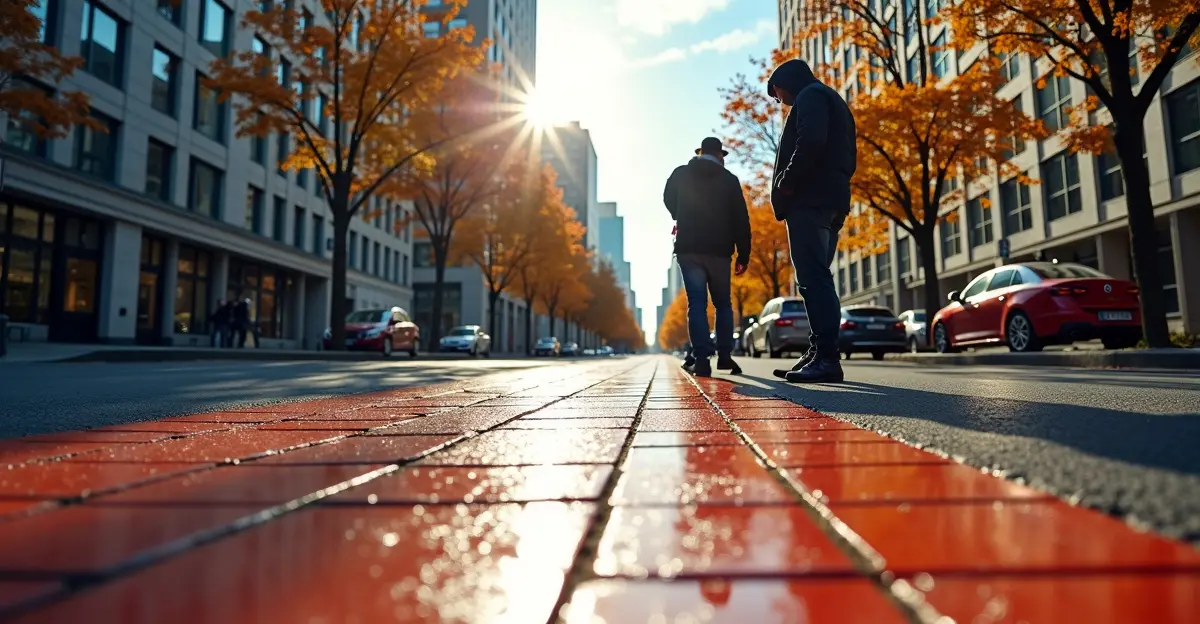
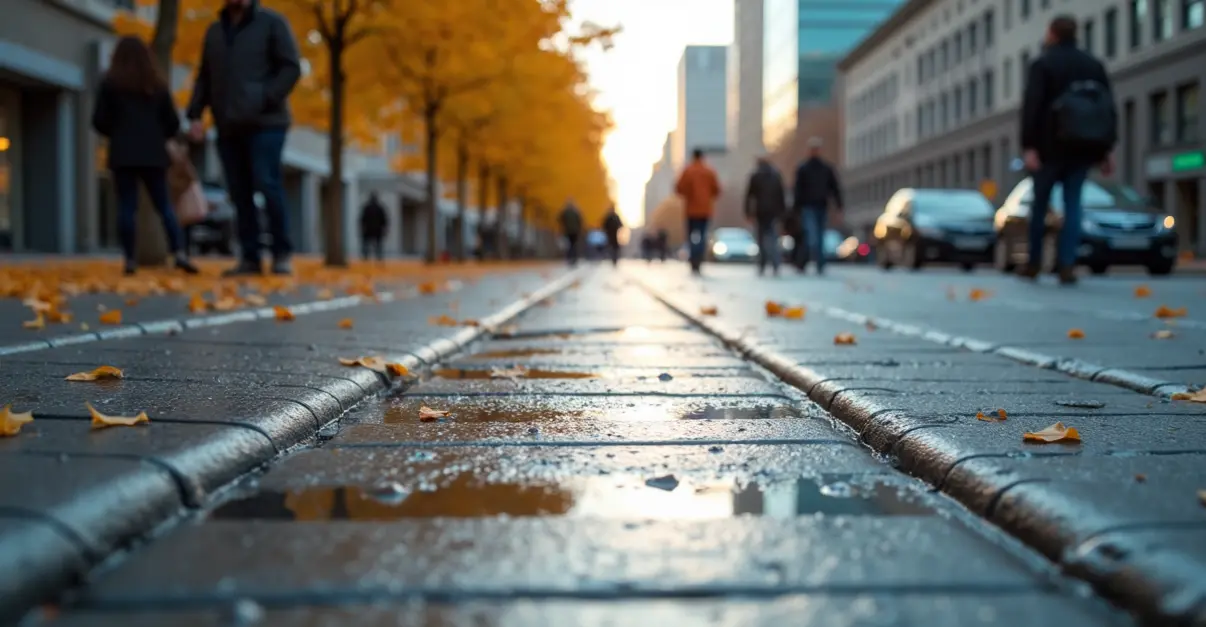
As cities worldwide grapple with intensifying heat waves and the urban heat island effect, a promising solution is emerging from the streets themselves. Cool pavement technologies, which use reflective materials, specialized coatings, and innovative designs to reduce surface temperatures, are showing significant results in pilot projects across the United States and globally. 'We're seeing surface temperature reductions of 10-16°F compared to conventional asphalt, which can reach 152°F at midday,' explains an EPA researcher familiar with the technology.
How Cool Pavements Work
Cool pavements combat urban heat through several mechanisms. Reflective pavements use light-colored materials or coatings to increase solar reflectance, sending more sunlight back into the atmosphere rather than absorbing it as heat. Evaporative pavements incorporate water-retaining materials that cool through evaporation, while newer technologies like phase change materials (PCM) absorb and release heat at specific temperatures. 'The most innovative systems use naturally cooled subsurface water to reduce surface temperatures by up to 20°C without water consumption,' notes a researcher from a Seville, Spain study published in ScienceDirect.
Real-World Results from Major Cities
Several cities have launched ambitious cool pavement programs with measurable success. Los Angeles has treated over 175 lane miles with CoolSeal reflective sealant as part of a nine-year citywide program, documenting surface temperature reductions exceeding 10°F and ambient air cooling up to 3.5°F. Phoenix operates the nation's largest cool pavement program, now in its sixth year, with Arizona State University research confirming 10-12°F surface temperature reductions. San Antonio has rapidly expanded from 5,000 to over 2 million square feet in three years, showing 10-15°F reductions even in its humid subtropical climate.
Philadelphia's Cool Pavement Pilot Project, launched in summer 2024, is testing light-colored reflective sealant in vulnerable communities. Phase One found treated pavement stayed cooler from morning to afternoon compared to untreated dark asphalt. Phase Two, beginning in August 2025, is testing two coats of sealant on park pavement in Hunting Park to assess durability through Philadelphia's challenging climate conditions including freeze-thaw cycles and winter salting.
Material Performance and Durability Considerations
The performance of cool pavement materials varies significantly based on climate, application, and maintenance. Reflective coatings like CoolSeal have demonstrated good durability in multiple climates, with some installations lasting several years before requiring reapplication. However, researchers note that glare can be a concern with highly reflective surfaces, and some materials may show reduced effectiveness over time due to dirt accumulation or wear.
'Traditional cool pavement technologies have limitations including glare issues and low durability, which is why we're exploring innovative approaches,' explains a materials scientist cited in a comprehensive review of emerging technologies. Newer approaches include retro-reflective pavements that direct sunlight upward rather than horizontally, evaporation-enhancing pavements, drainable water-retaining pavements, unidirectional heat-transfer pavements, and phase change materials incorporated into pavement surfaces.
Cost Analysis and Maintenance Requirements
Costs for cool pavement installations vary widely based on region, materials, and project specifics. The EPA notes that direct cost comparisons are challenging, but the greatest value often comes when multiple benefits like stormwater management are considered together. CoolSeal deployments across 22 states and 6 countries have helped establish more predictable cost structures, with many cities incorporating the technology into their regular pavement maintenance schedules.
Maintenance requirements generally align with conventional pavement maintenance but may include periodic cleaning to maintain reflectivity and occasional reapplication of coatings. 'The cooling benefits come with pavement preservation advantages—reducing oxidation and surface wear extends pavement life,' notes a CoolSeal representative from their 2025 progress report.
Scaling Considerations for Widespread Adoption
For cool pavements to make a meaningful impact on urban heat islands, scaling from pilot projects to citywide implementation presents several challenges. The Transportation Research Board has formed a subcommittee to develop guidance on cool pavement standards and practices, addressing the lack of official standards or labeling programs. Successful scaling requires consideration of local climate conditions, existing infrastructure, maintenance capabilities, and community needs.
Philadelphia's approach of testing in vulnerable communities first provides a model for equitable implementation. 'We're learning how these materials perform in real urban conditions with all the challenges of weather, traffic, and maintenance,' says a University of Pennsylvania researcher involved in the Philadelphia project. As more cities document their experiences, best practices are emerging for different climate zones and urban contexts.
Multiple Benefits Beyond Temperature Reduction
Beyond cooling, cool pavements offer additional urban benefits. They can reduce stormwater runoff by allowing better water infiltration, improve water quality by filtering pollutants, enhance safety through better drainage and reduced ice formation, improve nighttime visibility through higher reflectivity, and increase local comfort for pedestrians and residents. These co-benefits make the technology more economically viable when considered holistically.
The urban heat island effect, where urban areas are significantly warmer than surrounding rural areas due to modified land surfaces and waste heat, affects more than half the world's population living in cities occupying just 0.5% of Earth's land surface. As climate change causes more frequent and intense heat waves, solutions like cool pavements become increasingly important for urban resilience and public health.
Future Developments and Research Directions
Research continues to advance cool pavement technology. The ScienceDirect study from Seville demonstrates how nature-based systems using subsurface water can achieve dramatic cooling without evaporation. Other researchers are exploring smart materials that adjust their properties based on temperature, and integrated systems that combine cool pavements with other heat mitigation strategies like urban forestry and green infrastructure.
As cities face growing heat challenges, cool pavements represent a practical, scalable solution that works with existing infrastructure. With continued innovation, standardized testing protocols, and shared learning across municipalities, these technologies could play a significant role in creating cooler, more livable cities for all residents.