
 Deutsch
 English
 Español
 Français
 Nederlands
 Português

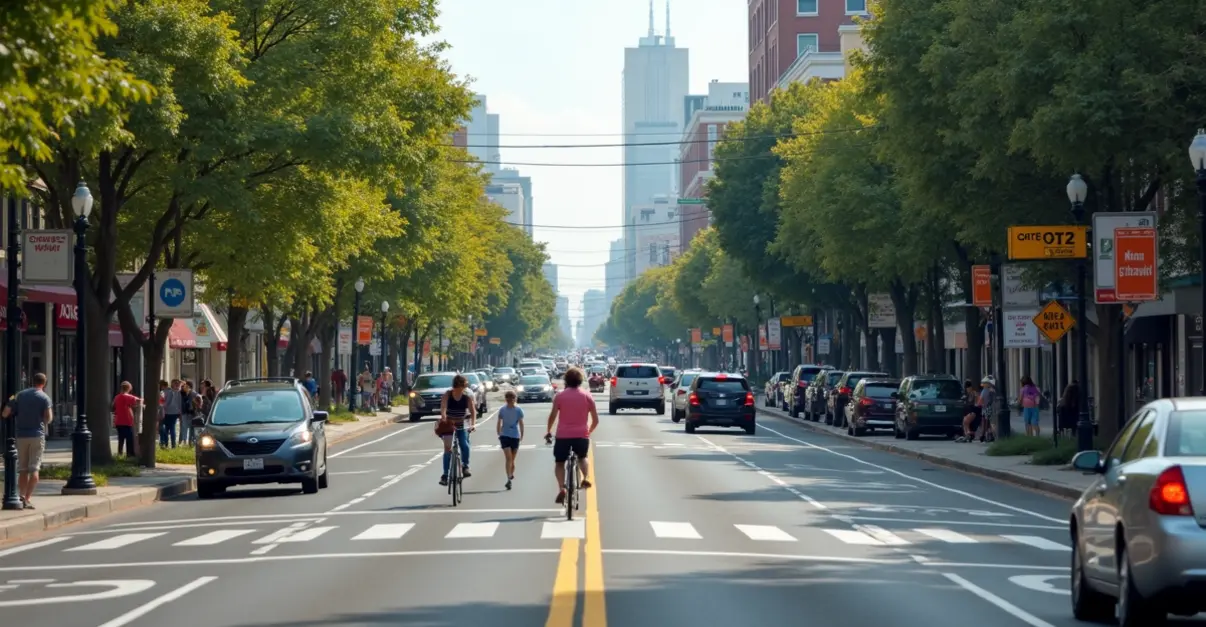





City Unveils Major Pedestrian Priority Expansion Plan
City officials have announced a comprehensive Pedestrian Priority Expansion Plan that will transform urban mobility across several downtown districts. The ambitious initiative involves significant traffic rerouting, expanded pedestrian zones, and enhanced walkability infrastructure aimed at improving air quality and creating safer streets for residents. However, the plan has sparked mixed reactions from local businesses concerned about potential economic impacts during the transition period.
Traffic Rerouting and Infrastructure Changes
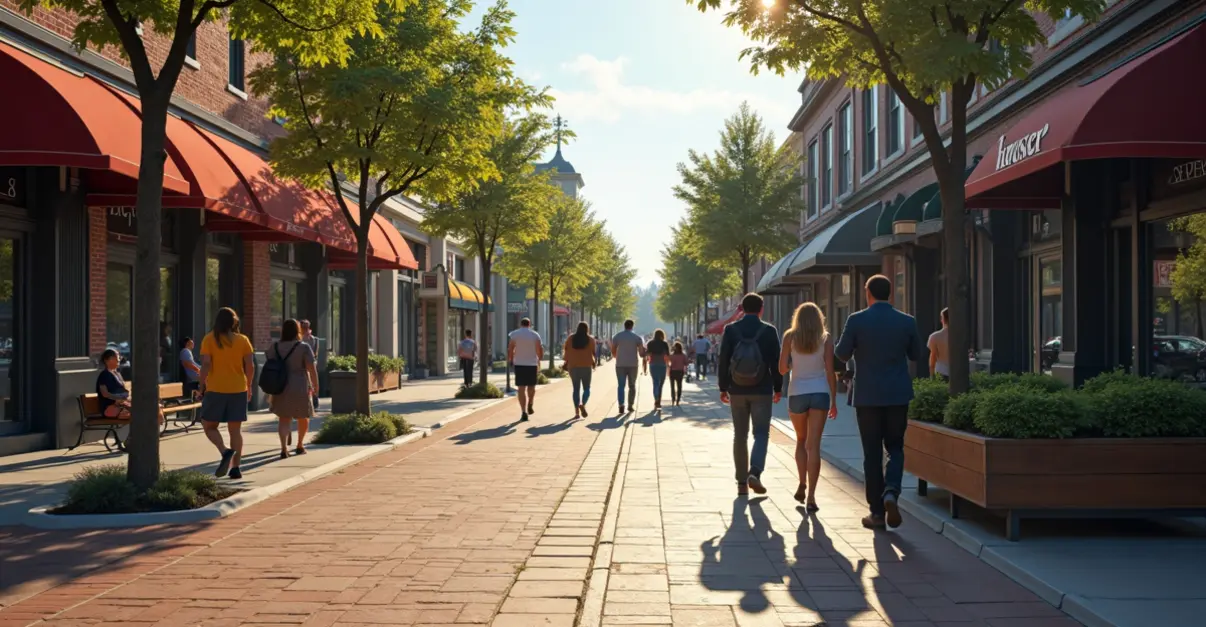
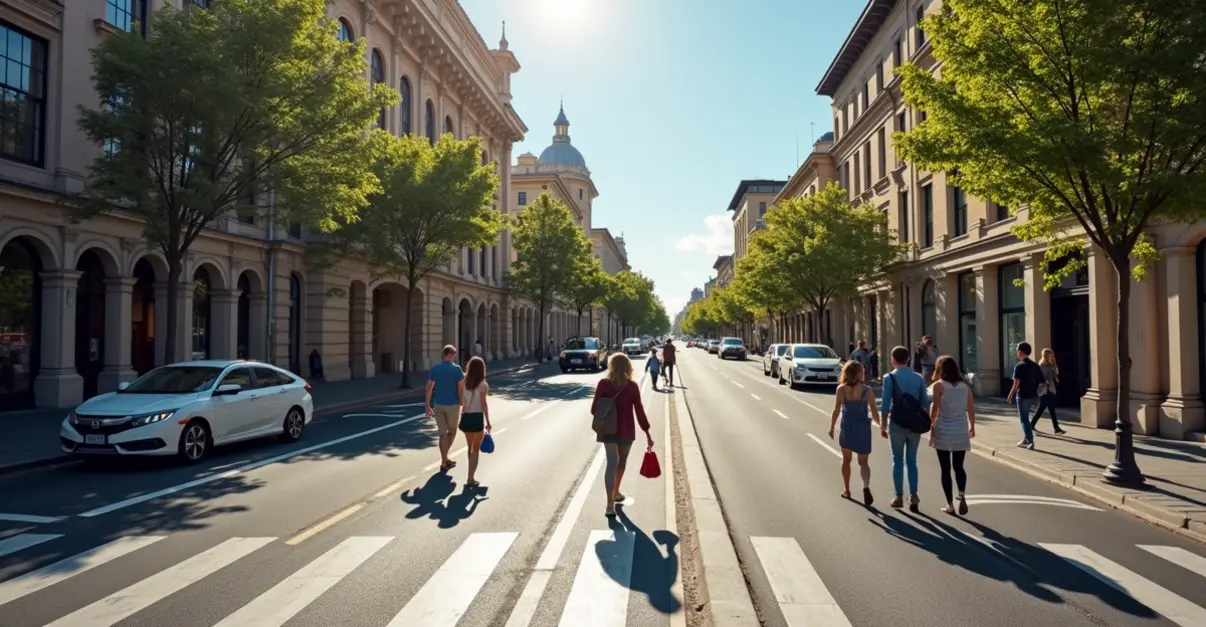
The centerpiece of the plan involves converting approximately 15 city blocks into pedestrian-only zones, with traffic being rerouted to peripheral arteries. According to transportation officials, this will include implementing traffic calming measures such as narrowed roads, curb extensions, and speed humps to ensure safer pedestrian movement. 'We're fundamentally rethinking how people move through our city,' said Transportation Commissioner Maria Rodriguez. 'For too long, we've prioritized cars over people. This plan puts pedestrians first while balancing the needs of all road users.'
The redesign will create wider sidewalks, add protected bike lanes, and install pedestrian refuges at major intersections. Research shows that such measures can reduce car crashes by up to 50% while doubling pedestrian activity, as demonstrated in successful implementations like Lancaster, California's downtown transformation.
Business Community Concerns and Economic Impacts
Local business owners have expressed both optimism and apprehension about the changes. While pedestrian-friendly areas have been shown to boost retail activity—Madrid's car-free city center saw a 9.5% increase in retail activity within the first month—some merchants worry about temporary disruptions during construction.
'We support making our streets safer and more walkable, but we need guarantees that delivery access won't be completely cut off,' said Sarah Chen, owner of a family-run grocery store in the affected area. 'Small businesses like mine can't afford months of reduced customer access during construction.'
City officials have promised phased implementation and temporary loading zones to mitigate business impacts. Economic studies cited by the planning department indicate that pedestrian zones typically increase property values by approximately 9-10% and can generate significant economic returns on investment.
Air Quality and Environmental Benefits
One of the primary motivations behind the expansion plan is improving urban air quality. By reducing vehicle traffic in core areas, the city expects to see measurable decreases in air pollutants. Pedestrian zones have been associated with significant falls in local air and noise pollution according to urban planning research.
'Every car we remove from our downtown streets means cleaner air for our children to breathe,' noted Environmental Health Director Dr. James Wilson. 'We're projecting a 14-20% reduction in CO2 emissions in the affected zones within the first year of implementation.'
The plan also includes adding urban green spaces and trees along pedestrian corridors, which research shows can further improve air quality through natural filtration. A global review of urban green spaces confirms their positive impact on environmental health outcomes.
Resident Consultation and Community Engagement
Perhaps the most innovative aspect of the plan is its extensive resident consultation process. Over the next three months, the city will host community workshops, online forums, and neighborhood meetings to gather input on specific design elements. 'This isn't just a top-down planning exercise,' emphasized Community Engagement Officer Lisa Thompson. 'We want residents to help shape the streets they'll be using every day. Their lived experience is invaluable to creating spaces that actually work for people.'
The consultation process will address concerns about accessibility for elderly and disabled residents, parking arrangements for residents in affected areas, and integration with public transportation systems. Research from urban planning studies shows that inclusive design processes lead to better outcomes for community well-being.
Implementation Timeline and Next Steps
The expansion plan will roll out in phases over the next 18-24 months, beginning with pilot projects in two commercial districts. City officials stress that flexibility will be built into the implementation, allowing for adjustments based on real-world feedback and monitoring data.
As cities worldwide embrace pedestrian-friendly urban design—from Minneapolis's Transportation Action Plan to European car-free zones—this initiative represents a significant step toward creating more livable, sustainable urban environments. The success of similar projects in cities like Lancaster, California, where downtown revenue more than doubled after pedestrian-focused redesigns, offers promising precedents for what's possible when cities prioritize people over vehicles.

Follow Discussion