Nederlands
 English
The 2025 Regional Tree Planting Grant Round offers significant funding for urban forestry projects, addressing climate goals, environmental justice, and community health while creating economic opportunities in carbon markets and property development.
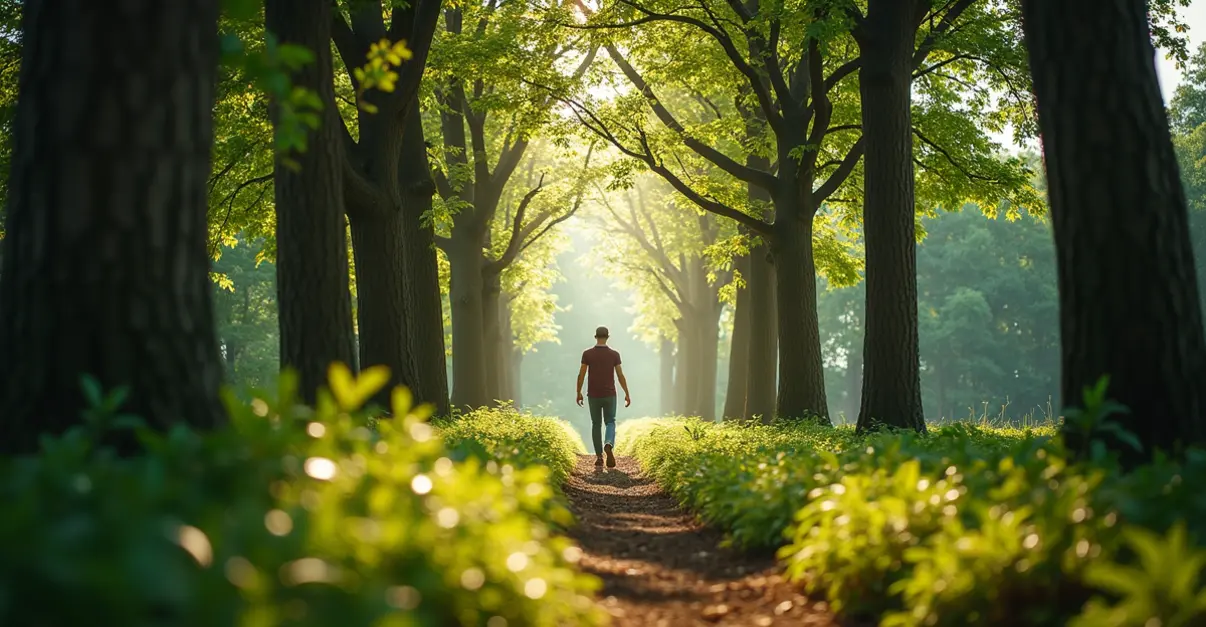
Major Funding Round Launches for Urban Forestry Projects
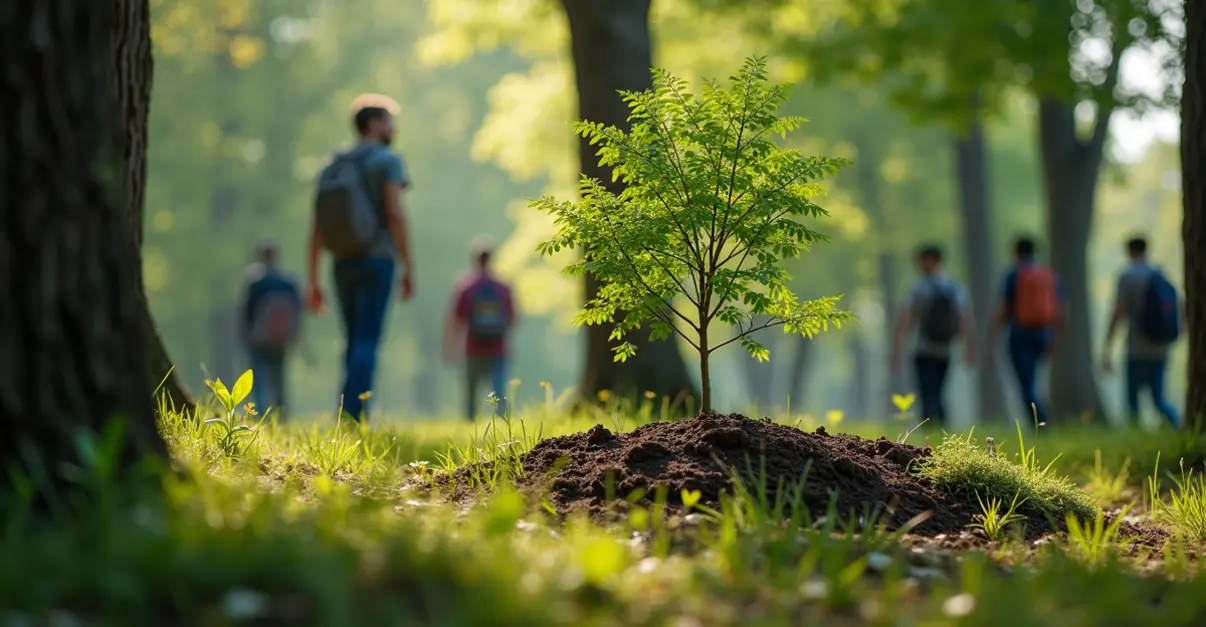
Communities across the region are gearing up for a significant opportunity as the 2025 Regional Tree Planting Grant Round opens for applications. This comprehensive funding initiative represents one of the largest investments in urban forestry in recent years, with millions of dollars available to municipalities, non-profits, and community organizations dedicated to expanding urban tree canopies.
The grant program, administered through regional environmental agencies, aims to address multiple challenges simultaneously: climate change mitigation, urban heat island reduction, and environmental justice. 'This isn't just about planting trees—it's about building resilient communities for future generations,' says Isabella Kowalska, environmental policy analyst and author of the program report. 'We're seeing unprecedented alignment between environmental goals, public health benefits, and economic opportunities.'
Policy Implications and Market Opportunities
The grant round arrives at a critical juncture in environmental policy. Recent federal legislation, including the bipartisan TREES Act reintroduced in 2025, has created a favorable landscape for urban forestry initiatives. The bill proposes a $50 million cost-share grant program to plant at least 300,000 trees annually through 2028, with particular focus on underserved communities and urban heat islands.
Beyond direct environmental benefits, the grants are creating ripple effects in related markets. Carbon credit markets are experiencing increased interest as tree planting projects can generate certified carbon offsets. According to carbon market analysts, properly managed urban forestry projects can create valuable carbon credits while delivering local environmental benefits.
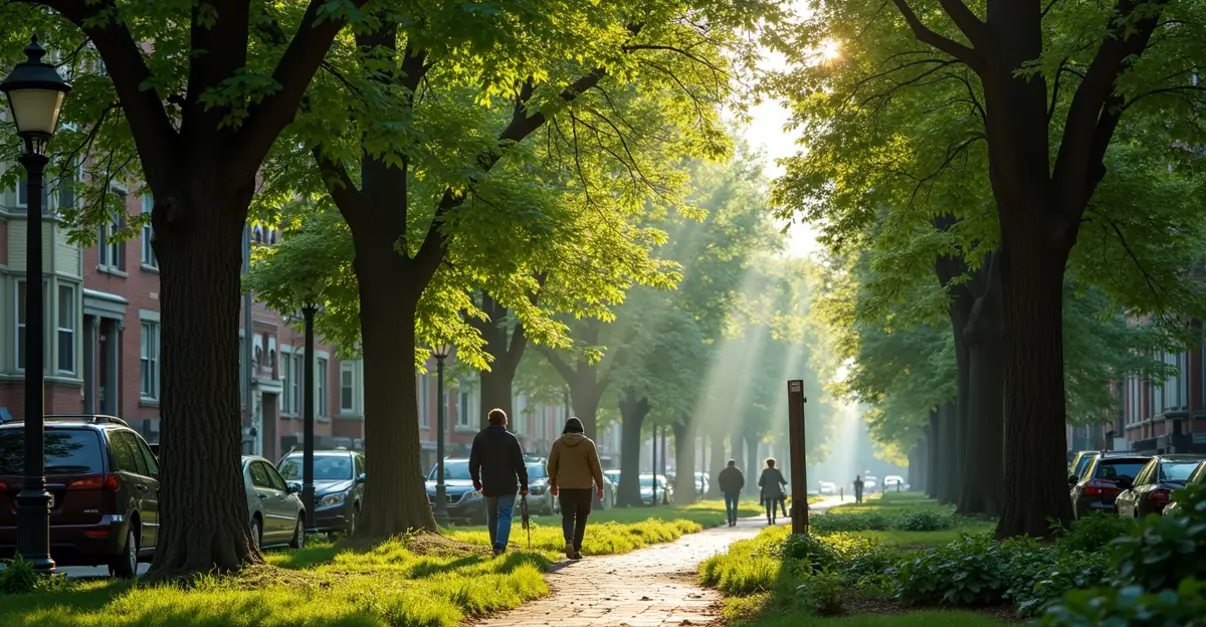
Property values in neighborhoods with mature tree canopies typically see 5-15% increases compared to similar areas without adequate tree cover. 'We're seeing a clear correlation between strategic tree planting and economic revitalization,' notes urban planning expert Dr. Marcus Chen. 'Communities that invest in their urban forests are not just improving air quality—they're creating more desirable places to live and work.'
Community Impact and Environmental Justice
The grant program specifically prioritizes projects in historically underserved communities, addressing long-standing environmental justice concerns. Research consistently shows that lower-income neighborhoods and communities of color often have significantly less tree canopy coverage, exacerbating urban heat island effects and associated health risks.
A 2018 Philadelphia study highlighted the mental health benefits of urban greening, with residents near 'greened' vacant lots reporting up to 68% decrease in feelings of depression among low-income participants. The current grant round incorporates these findings, encouraging projects that combine tree planting with community engagement and public space improvements.
The US Forest Service's Urban and Community Forestry Program provides technical support for these initiatives, helping communities maximize the benefits of their investments. 'We're not just planting trees—we're planting solutions,' says community organizer Maria Rodriguez. 'Every tree represents cleaner air, cooler streets, and a healthier community.'
Application Process and Implementation Guidelines
Applicants must navigate comprehensive guidelines outlined in documents like the 2025 Community Tree Planting Grant Administration Guide. Key requirements include detailed project plans, community partnership agreements, and long-term maintenance strategies. Successful proposals typically demonstrate clear environmental benefits, community support, and sustainable implementation plans.
The grant round represents a significant shift toward integrated environmental planning. 'What makes this initiative different is its holistic approach,' explains Kowalska. 'We're connecting climate policy with public health, economic development, and social equity in ways we haven't seen before.'
With application deadlines approaching in the coming months, communities are mobilizing to develop competitive proposals. The anticipated impact extends far beyond individual projects, potentially reshaping how cities approach urban planning and environmental management for decades to come.