


 Deutsch
 English
 Español
 Français
 Nederlands
 Português


 Share
Share




Major Environmental Initiative Launches New Grant Round
Environmental organizations, municipalities, and community groups across the region are gearing up for a significant opportunity as the latest round of Regional Tree Planting Grants has been officially announced. This competitive funding program represents a substantial investment in urban forestry and community resilience, with applications now being accepted for the Fall 2025 planting season.
Funding Details and Program Scope
The grant program, which has been operating since 2022, has already awarded over $165,000 to 62 projects resulting in approximately 3,000 trees planted across various communities. The current round offers funding opportunities for nonprofits, schools, and community organizations looking to enhance their local environments through strategic tree planting initiatives.
According to program administrators, 'This grant round represents our continued commitment to building healthier, more resilient communities through urban forestry. We've seen remarkable results from previous recipients, and we're excited to see what innovative projects will emerge this year.'
The application deadline for the Fall 2025 planting season is July 15, giving organizations approximately two months to prepare and submit their proposals. Grants typically range from $1,000 to $5,000 per project, though larger initiatives may qualify for additional funding based on their scope and community impact.
Environmental and Community Benefits
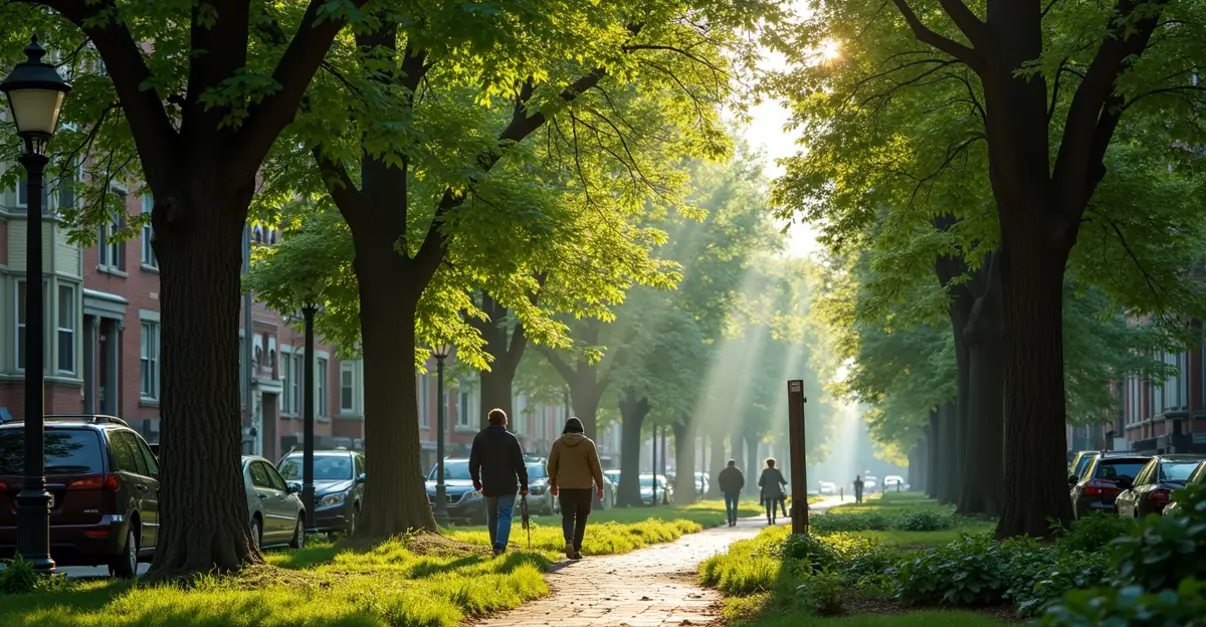
Urban forestry programs like this one deliver measurable benefits that extend far beyond simple beautification. Research from the USDA Urban and Community Forestry Program shows that strategically planted trees can reduce daytime air temperatures by 0.7 to 1.5 degrees Celsius within their immediate radius. This temperature reduction translates directly to decreased cooling costs, reduced risk of heat-related illnesses, and improved overall community well-being.
Environmental scientist Dr. Maria Chen notes, 'Urban trees are nature's air conditioners. They not only cool our cities but also filter pollutants, manage stormwater, and sequester carbon. Every dollar invested in urban forestry returns multiple dollars in public health benefits and infrastructure savings.'
The program specifically targets areas impacted by transportation facilities and urban heat islands, where tree canopy coverage is often lowest. This strategic focus addresses environmental justice concerns by directing resources to communities that typically have fewer green spaces and higher vulnerability to climate impacts.
Policy Implications and Market Opportunities
The announcement comes amid growing recognition of urban forestry's role in climate adaptation and mitigation strategies. Many states have established ambitious tree-planting goals, such as Maryland's target of planting five million trees by 2031 and New York's '25 Million Trees Initiative' aiming for 25 million trees by 2033.
These regional programs align with federal initiatives like the Urban and Community Forestry Program, which has traditionally received $36-40 million in annual funding. The recent Inflation Reduction Act has also injected significant resources into urban forestry, with New York alone awarding $15 million through its Community Reforestation program.
The grant announcement creates opportunities for various market sectors. Landscape contractors, nurseries, and environmental consulting firms stand to benefit from increased planting projects. Educational institutions can develop curriculum around urban forestry, while community organizations gain resources for local environmental stewardship.
Success Stories and Program Impact
Previous grant recipients have demonstrated the program's effectiveness. In Maryland, the Urban Tree Program awarded over $26,000 in grants supporting 757 new trees across 12 communities. Notable projects included $1,381 to Thurmont for 24 trees at a local park, nearly $5,000 to Green Trust Alliance for park pond reclamation in Baltimore County, and $1,000 to Nature Forward for 79 trees in Montgomery County.
Community organizer Jamal Washington, whose neighborhood received funding last year, shares, 'The trees we planted have transformed our block. Not only is it cooler and more beautiful, but neighbors are spending more time outside together. It's brought our community closer while making us more resilient to heat waves.'
Research supports these anecdotal observations. A 2018 study in Philadelphia found that residents living near 'greened' vacant lots with trees and landscaping reported significant decreases in depression - 68% for those below the poverty line and 41% for those above it.
Application Process and Eligibility
Eligible applicants include nonprofit organizations, schools, community groups, and in some cases, municipal agencies. Projects must demonstrate clear community benefits, proper tree selection for local conditions, and a maintenance plan ensuring tree survival beyond the initial planting.
Program guidelines emphasize the importance of community engagement and long-term sustainability. Successful applications typically involve partnerships between multiple organizations and include educational components about the environmental benefits of urban trees.
As climate change intensifies urban heat islands and air quality concerns, programs like this Regional Tree Planting Grant become increasingly vital. They represent a practical, cost-effective approach to building climate resilience while strengthening community bonds and improving public health outcomes for residents across the region.

Follow Discussion