


 Deutsch
 English
 Español
 Français
 Nederlands
 Português


 Share
Share




Mass Tree Planting Project Secures Regional Funding for Carbon Sequestration and Community Employment
In a significant environmental and economic development, a major tree planting initiative has secured substantial regional funding for 2026, combining ambitious carbon sequestration goals with community employment opportunities and advanced monitoring systems. The project represents a comprehensive approach to climate change mitigation that addresses both environmental and social priorities through strategic urban forestry investments. With funding sources including federal grants from the USDA Forest Service and American Rescue Plan Act allocations, this initiative aims to transform under-canopied neighborhoods while creating sustainable green jobs and implementing cutting-edge monitoring technologies.
What is the Mass Tree Planting Project?
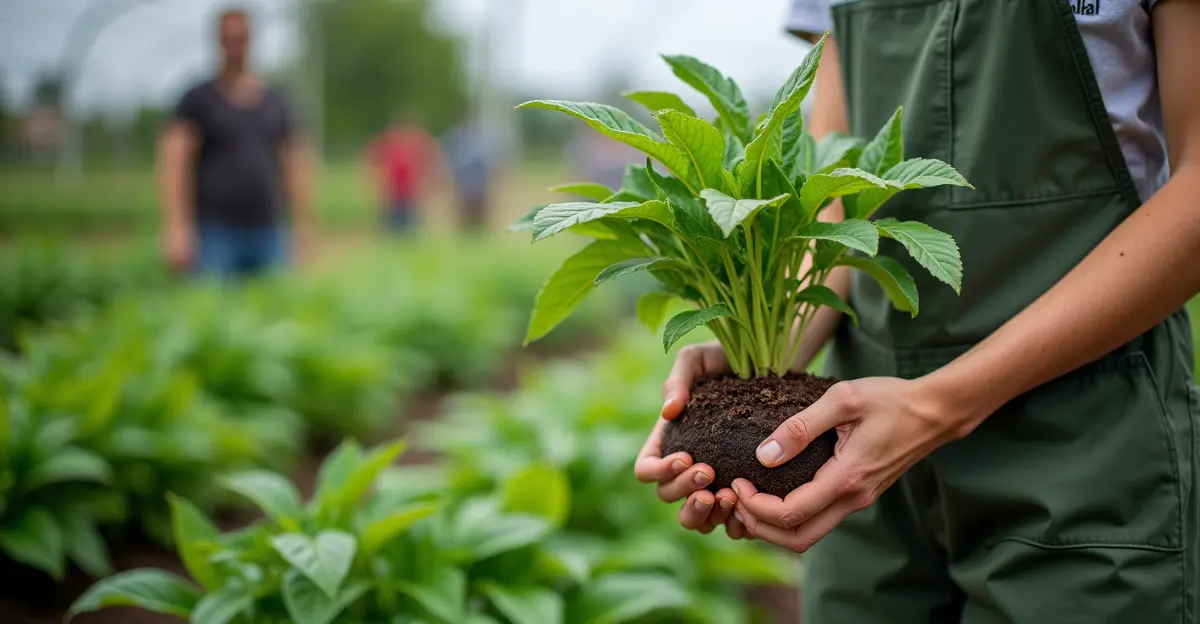
The Mass Tree Planting Project is a multi-faceted environmental initiative that combines large-scale tree planting with community development and scientific monitoring. At its core, the project aims to expand urban tree canopy in disadvantaged communities while simultaneously creating employment opportunities and implementing robust carbon sequestration tracking systems. Unlike traditional tree planting efforts, this program integrates economic, social, and environmental objectives into a cohesive strategy for sustainable urban development. The project specifically targets environmental justice neighborhoods identified through tools like the Climate and Economic Justice Screening Tool, ensuring resources reach communities most affected by urban heat island effects and climate vulnerability.
Regional Funding Breakdown and Sources
The project has secured funding from multiple regional and federal sources, creating a diversified financial foundation for long-term sustainability. Key funding components include:
- USDA Forest Service Urban and Community Forestry Program: $1.5 billion investment from President Biden's Inflation Reduction Act
- Boston Tree Alliance Program: $1.2 million in Tree Planting and Care Grants for 2026
- American Rescue Plan Act (ARPA): Federal stimulus funding allocated for climate resilience
- Massachusetts Environmental Justice Grant Program: Grants ranging from $20,000 to $100,000 for tree planting in disadvantaged communities
According to program documents, eligible applicants include municipalities, 501(c)3 organizations, and federally recognized tribes, with all projects required to take place within designated environmental justice neighborhoods. The funding structure prioritizes areas where high extreme heat risk overlaps with social vulnerability, aligning with broader climate resilience strategies. The Boston Urban Forest Plan provides the strategic framework for these investments, ensuring coordinated implementation across multiple jurisdictions.
Carbon Sequestration: The Environmental Impact
Carbon sequestration represents the project's primary environmental objective, with trees serving as natural carbon sinks that remove CO2 from the atmosphere. Research from the USDA Forest Service indicates that U.S. forestland currently sequesters about 16% of annual atmospheric carbon dioxide emissions, and expanding afforestation programs could significantly increase this capacity. The Mass Tree Planting Project aims to contribute to this national effort through strategic urban forestry.
How Carbon Sequestration Works
Trees absorb carbon dioxide during photosynthesis, converting it into biomass (wood, leaves, roots) and releasing oxygen. Mature trees can store substantial amounts of carbon for decades or even centuries. The project's monitoring plans include:
- Baseline carbon stock assessments using remote sensing technology
- Regular monitoring of tree growth and biomass accumulation
- Carbon credit verification through third-party certification
- Long-term tracking of sequestration rates across different tree species
A 2021 USDA study found that expanding afforestation and reforestation programs could increase carbon sequestration from 323 teragrams of CO2 equivalent per year to 469 teragrams by 2050, with estimated benefits of $93.6 billion outweighing the $6.5 billion investment cost. The climate change mitigation potential of urban tree planting extends beyond carbon storage to include reduced energy consumption, improved air quality, and enhanced urban cooling.
Community Employment and Economic Benefits
The project creates diverse employment opportunities across multiple sectors, transforming environmental investment into economic development. Job creation spans various skill levels and includes:
| Job Category | Examples | Skill Level |
|---|---|---|
| Direct Planting | Field planters, nursery workers, arborists | Entry to Skilled |
| Technical Support | Forest technicians, monitoring specialists, data analysts | Skilled to Professional |
| Community Engagement | Outreach coordinators, education specialists, program managers | Professional |
| Supporting Industries | Logistics, equipment maintenance, research positions | Various Levels |
According to economic analyses, tree planting serves as a powerful economic catalyst that generates substantial job creation and stimulates supporting industries like logistics, research, eco-tourism, and carbon offset markets. The project particularly benefits rural and developing regions while strengthening local economies through green employment opportunities. The environmental justice employment component ensures that job creation prioritizes communities historically excluded from green economy opportunities.
Advanced Monitoring and Technology Integration
The project incorporates cutting-edge monitoring technologies to track environmental impact, tree health, and carbon sequestration rates. These systems represent a significant advancement over traditional tree planting initiatives:
Satellite and Remote Sensing Technologies
High-resolution satellite monitoring enables detailed tracking of individual trees and canopy coverage. According to recent research in Nature Reviews Electrical Engineering, new commercial and public satellites provide optical data that can identify individual trees as objects, while artificial intelligence technologies like convolutional neural networks enable characterization of three-dimensional tree structures. The monitoring system includes:
- Regular satellite imagery analysis using Landsat, Sentinel, and MODIS data
- AI-powered tree identification and growth tracking
- Carbon stock assessment through biomass estimation algorithms
- Real-time monitoring of tree health and survival rates
These technologies allow for reliable assessment of tree structure, biomass, and diversity both inside and outside forests, contributing to more accurate carbon accounting and project evaluation. The integration of remote sensing technology represents a significant advancement in urban forestry management.
Implementation Timeline and Key Deadlines
The project follows a structured implementation schedule with specific milestones and application deadlines:
- December 5, 2025: Application deadline for spring 2026 planting
- February 3, 2026: Application deadline for fall 2026 planting
- May 1, 2026: Massachusetts Environmental Justice Grant deadline
- Spring/Fall 2026: Major planting seasons across participating communities
- 2026-2028: Two-year maintenance and monitoring period for all planted trees
Environmental Justice and Community Impact
The project prioritizes environmental justice communities disproportionately affected by climate change and urban heat island effects. All funded projects must take place within neighborhoods identified using the Climate and Economic Justice Screening Tool and Environmental Justice Map Viewer. This targeted approach ensures that resources reach communities with:
- Higher vulnerability to extreme heat events
- Lower existing tree canopy coverage
- Greater exposure to air pollution and environmental hazards
- Historical underinvestment in green infrastructure
The program aims to expand tree canopy cover to provide environmental, public health, and energy efficiency benefits to residents in these communities, addressing both climate resilience and social equity. The urban heat island mitigation benefits alone could significantly improve quality of life in targeted neighborhoods.
Frequently Asked Questions (FAQ)
What is carbon sequestration and how do trees help?
Trees absorb carbon dioxide during photosynthesis and store it as biomass, removing CO2 from the atmosphere. Mature urban trees can sequester significant amounts of carbon for decades, making them valuable natural climate solutions.
Who can apply for tree planting funding?
Eligible applicants include municipalities, 501(c)3 organizations, and federally recognized tribes. All projects must be located within designated environmental justice neighborhoods.
How many jobs does tree planting create?
Tree planting initiatives create diverse employment across multiple sectors including direct planting, technical support, community engagement, and supporting industries. The economic impact extends beyond immediate job creation to stimulate local economies.
What monitoring technologies are used?
The project uses satellite remote sensing, AI-powered image analysis, and ground-based monitoring systems to track tree growth, health, and carbon sequestration rates with unprecedented accuracy.
When are the application deadlines?
Key deadlines include December 5, 2025 for spring 2026 planting and February 3, 2026 for fall 2026 planting, with additional program-specific deadlines throughout the year.
Future Outlook and Expansion Potential
The Mass Tree Planting Project represents a model for integrated environmental and economic development that could be replicated across other regions. With successful implementation in 2026, the program could expand to include additional communities, tree species, and monitoring technologies. The combination of federal funding, community engagement, and scientific monitoring creates a sustainable framework for urban forestry that addresses multiple Sustainable Development Goals simultaneously. As climate change intensifies, such comprehensive approaches will become increasingly important for building resilient communities and mitigating environmental impacts.
Sources and Additional Information
Information for this article was gathered from official program documents, research studies, and government sources including: Massachusetts Environmental Justice Grants, Boston Tree Alliance Announcement, USDA Forest Service Research, and Nature Reviews Electrical Engineering.




Follow Discussion