


 Deutsch
 English
 Español
 Français
 Nederlands
 Português


 Share
Share




Industrial Regions Face Dangerous Air Pollution Crisis
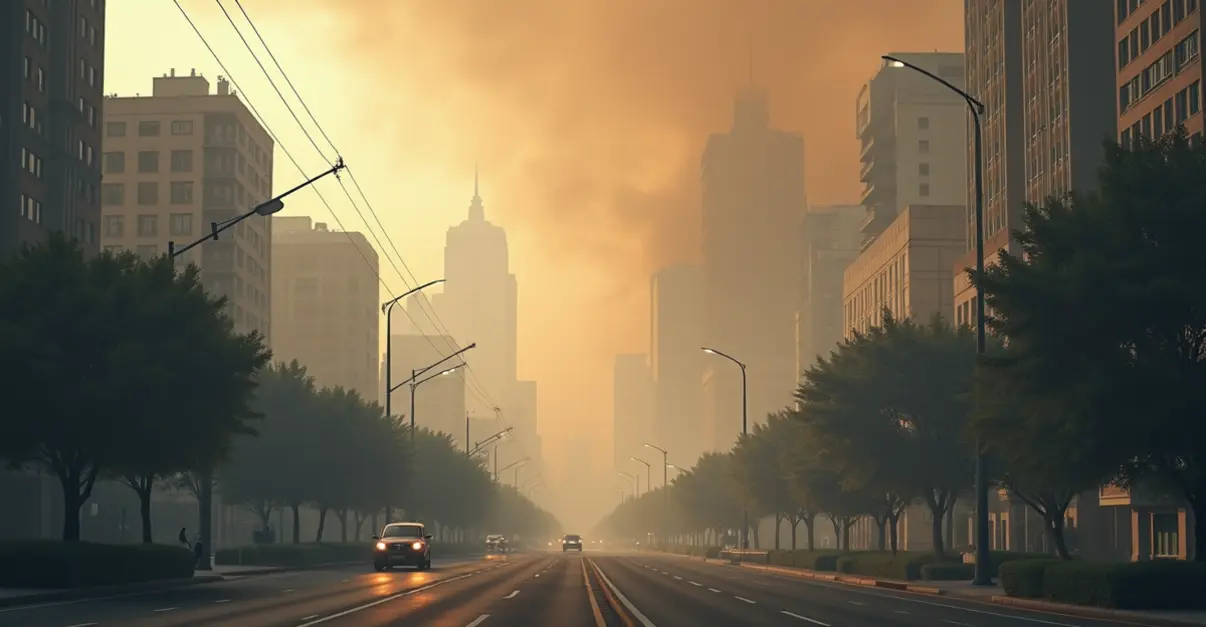
Air Quality Index (AQI) readings have reached hazardous levels across multiple industrial regions worldwide, triggering urgent health advisories and raising concerns about long-term public health impacts. The situation has become particularly critical in manufacturing hubs and industrial zones where emissions from factories, power plants, and transportation networks have created dangerous atmospheric conditions.
Health Impacts and Vulnerable Populations
Medical experts are reporting increased emergency room visits for respiratory distress, with children, the elderly, and individuals with pre-existing conditions being most affected. 'We're seeing a significant spike in asthma attacks and respiratory complications, especially among vulnerable populations living near industrial zones,' said Dr. Sarah Chen, a pulmonologist at Metropolitan General Hospital. The World Health Organization estimates that air pollution causes approximately 7 million premature deaths annually worldwide, with industrial emissions being a major contributor.
Primary Emission Sources
The main culprits behind the deteriorating air quality include industrial manufacturing processes, fossil fuel combustion in power generation, and transportation emissions. According to environmental agencies, industrial activities account for approximately 51% of particulate pollution in heavily affected regions. 'The combination of industrial emissions, vehicle exhaust, and weather conditions has created a perfect storm for poor air quality,' noted environmental scientist Dr. Michael Rodriguez from the Global Environmental Research Institute.
Current Mitigation Measures
Governments and environmental agencies are implementing several emergency measures to address the crisis. These include temporary shutdowns of the most polluting industrial facilities, restrictions on vehicle use in affected areas, and the distribution of protective masks to vulnerable communities. Many regions have declared 'action days' encouraging voluntary emission reductions and promoting public transportation use.
Long-term Solutions and Policy Changes
Environmental advocates are calling for more comprehensive approaches, including transitioning to cleaner industrial technologies, implementing stricter emission standards, and investing in renewable energy infrastructure. The World Health Organization recommends adopting cleaner production methods and improving air quality monitoring systems. Many countries are now considering implementing carbon pricing systems and phasing out fossil fuel subsidies to encourage cleaner industrial practices.
Public Health Recommendations
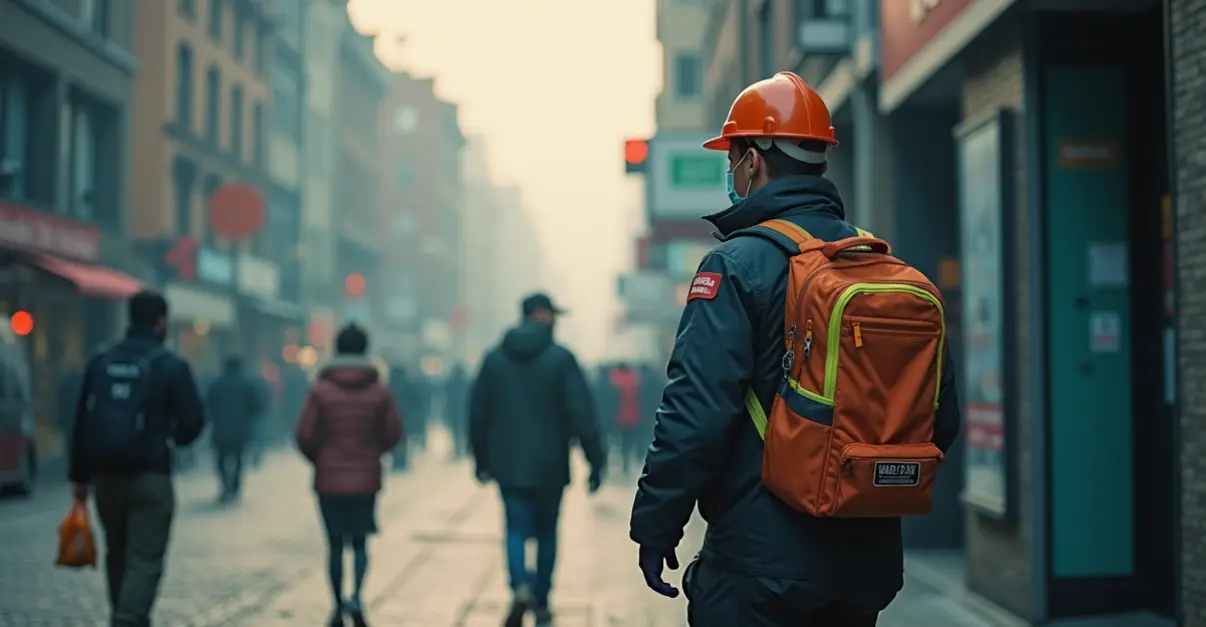
Health authorities advise residents in affected areas to limit outdoor activities, use air purifiers indoors, and wear appropriate masks when going outside. Schools in several industrial regions have canceled outdoor activities, and employers are being encouraged to allow flexible work arrangements to reduce commuting during peak pollution periods. 'This isn't just an environmental issue—it's a public health emergency that requires immediate action from both government and industry,' emphasized public health official Maria Gonzalez.
The situation highlights the urgent need for coordinated international action on industrial emissions and air quality management. As climate patterns continue to change, experts warn that such pollution events may become more frequent without significant policy changes and technological advancements in emission control.



Follow Discussion