


 Deutsch
 English
 Español
 Français
 Nederlands
 Português


 Share
Share




Major Expansion Brings E-Bikes to Underserved Neighborhoods
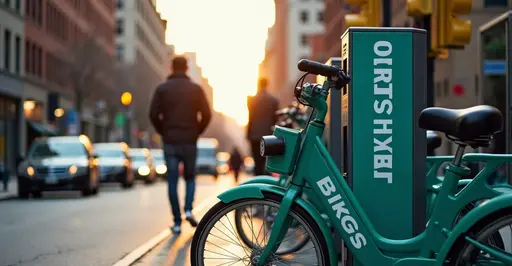
New York City is launching its most ambitious electric bike share expansion to date, with plans to bring Citi Bike service to historically underserved neighborhoods across the Bronx, Brooklyn, and Queens starting fall 2025. The expansion will add over 250 new stations and 2,900 bikes, with half being electric bicycles, growing the system to over 36,000 bikes and 2,400 stations - nearly seven times its original size.
Equity at the Core of Expansion Strategy
The expansion specifically targets neighborhoods that have long been excluded from the bike share network, including Norwood and Riverdale in the Bronx; Brownsville, East New York, Kensington, and Bay Ridge in Brooklyn; and areas west of Flushing Meadows Corona Park in Queens. 'This expansion is about making transportation more affordable and accessible for all New Yorkers, especially those in low-income communities who have been historically underserved,' said Mayor Eric Adams in a recent announcement.
When completed, 64% of New Yorkers - approximately 5.6 million residents - will live within a five-minute walk of a Citi Bike station. This represents a significant step toward transportation equity in a city where mobility options have traditionally been concentrated in wealthier areas.
Record Ridership Drives Expansion
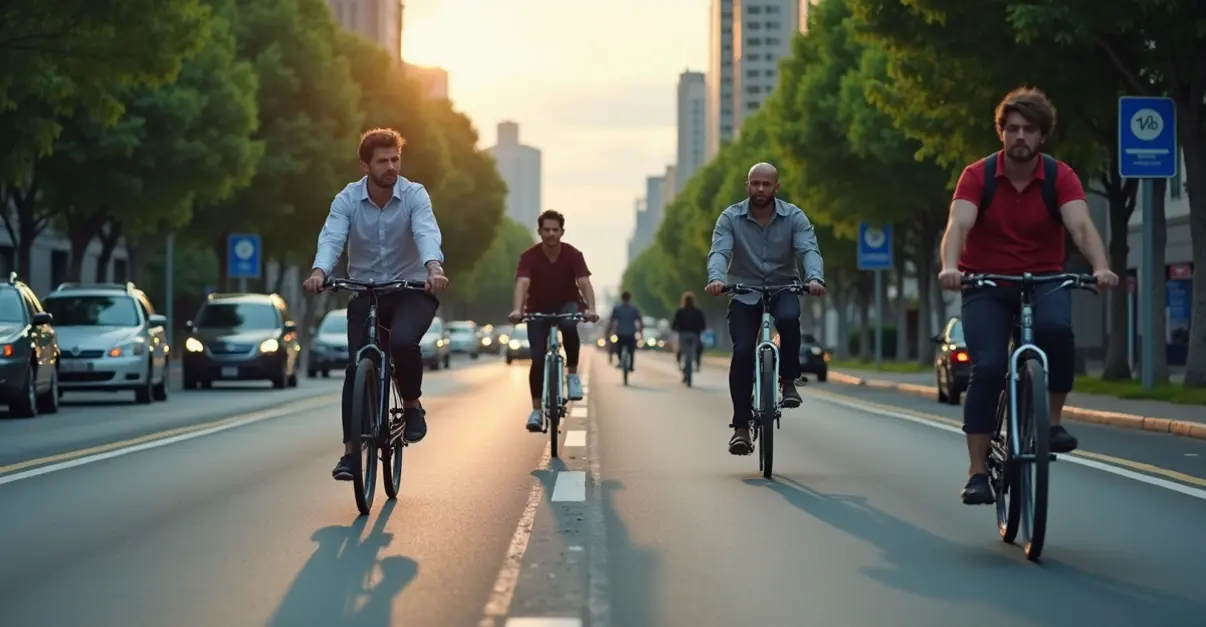
The expansion comes as Citi Bike experiences unprecedented growth, with the system reaching over 44 million rides in 2024 and becoming the fastest-growing transportation network in the city's history. Electric bike usage has been particularly explosive, with e-bike trips surging by 47% according to the 2025 Lyft Multimodal Report.
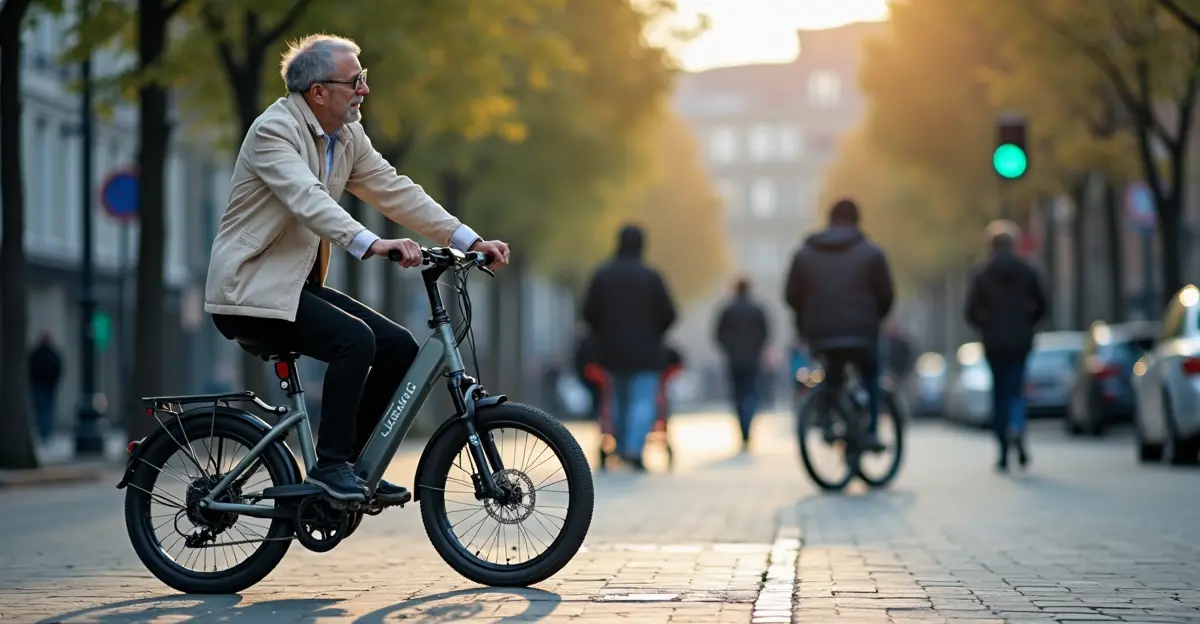
'We're seeing a fundamental shift in how people move around our city,' noted NYC DOT Commissioner Ydanis Rodriguez. 'Electric bikes are no longer a novelty - they're becoming a mainstream transportation choice that reduces car dependency and contributes to more sustainable urban mobility.'
Enhanced Charging Infrastructure
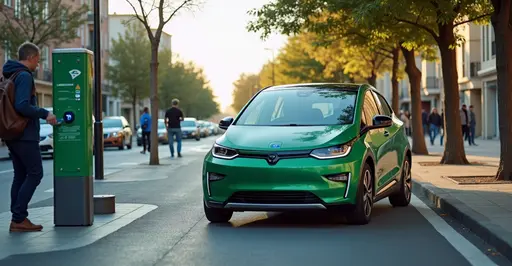
To support the growing electric bike fleet, NYC DOT and Lyft are expanding Citi Bike's charging infrastructure by adding 13 new electrified charging stations across Manhattan and Brooklyn this spring. These grid-connected stations allow e-bikes to charge while docked, eliminating the need for staff to manually swap batteries using vehicles.
The new charging stations utilize Lyft's updated docking equipment for easier use and increased reliability. 'This infrastructure upgrade means better access to fully charged bikes with fewer delays,' explained a Lyft spokesperson. 'It's about making the system more efficient and reliable for the growing number of riders who depend on electric bikes for their daily commutes.'
Affordability Programs for Low-Income Residents
Complementing the physical expansion, Citi Bike continues to offer its Equity Programs, providing reduced $5 monthly memberships for eligible New Yorkers. The program is available to NYCHA, JCHA, and HHA public housing residents, as well as SNAP recipients, with no annual commitment required.
Members receive unlimited 45-minute rides on classic bikes and reduced e-bike rates at $0.13 per minute, making electric transportation more accessible to low-income communities. 'The reduced fare program has been essential for making bike share accessible to communities that need affordable transportation options the most,' said Maria Hernandez, a community organizer in East New York.
Looking Ahead: Sustainable Urban Mobility
The expansion represents a significant investment in sustainable urban transportation. According to similar programs in other cities, bike share systems have demonstrated substantial environmental benefits, including reduced carbon emissions and decreased car dependency.
As cities worldwide grapple with transportation equity and sustainability challenges, New York's comprehensive approach - combining physical expansion with affordability programs and infrastructure improvements - offers a model for how urban centers can build more inclusive and sustainable transportation networks.

Follow Discussion